 EN
EN

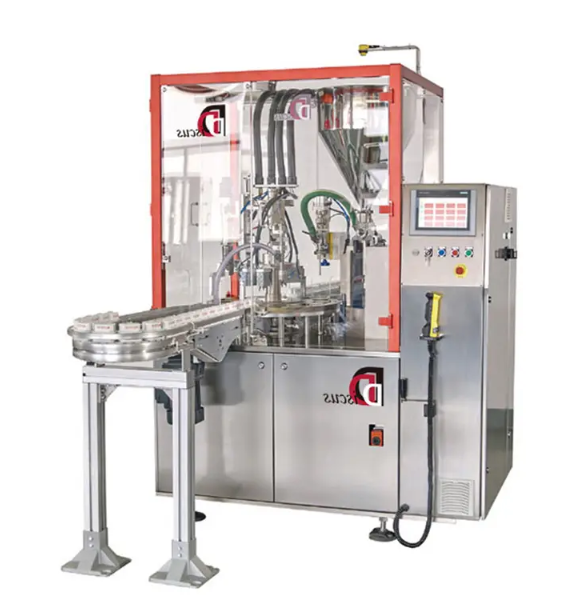
Sanitary Design Essentials for Cream Filling Machines
Food-grade stainless steel construction and crevice-free engineering
The foundation of good hygiene for cream filling machines lies in using 316L stainless steel, which most manufacturers rely on for parts that come into contact with food products. This material doesn't absorb liquids and won't rust, so it holds up against strong cleaning chemicals without letting bacteria stick to its surface. What really matters though is how these machines are built. The best ones have no hidden cracks or tiny spaces where dangerous germs like Listeria might hide and multiply. Look for machines with smooth welds all around, rounded edges instead of sharp corners, and surfaces polished to about Ra 0.8 micrometers or better. These features make sure nothing gets stuck in the machine, cutting down contamination risks by roughly three fifths when compared to older textured surfaces according to EHEDG research from 2022. Machines designed this way meet both FDA requirements and EHEDG guidelines, plus they fight off those stubborn biofilms that plague dairy processing facilities.
Optimized drainage and slope design to eliminate cream residue pooling
Good drainage matters a lot for keeping residual cream from building up, which can be a major source of contamination problems. These days most modern equipment comes with built-in slopes of at least three degrees throughout areas where products actually touch surfaces. The slope directs any remaining liquid straight to proper drain locations instead of letting it collect on flat surfaces or corners. Engineers use special modeling techniques to shape these channels properly since cream is really thick stuff with viscosity ranging between five thousand and twenty-five thousand centipoise. This means everything gets flushed out completely when running those cleaning cycles. No more standing water where bacteria can grow rapidly overnight. When combined with those snap-on fittings that make parts come apart quickly, maintenance crews save about forty percent of their usual cleaning time. This setup also stops different batches from mixing together, something absolutely vital when making products that need to stay free from allergens.
Effective Cleaning Protocols for Cream Filling Machines
Clean-in-place (CIP) systems tailored for viscous dairy products
Cleaning in place (CIP) systems designed for cream filling equipment save time by avoiding the need to take apart machinery while still getting rid of sticky dairy residue. These closed loop systems work by creating fast moving turbulence at speeds around 1.5 meters per second or higher, combined with warm alkaline cleaners between 60 and 80 degrees Celsius that break down tough fat deposits. The cream specific models differ from standard CIP setups because they come equipped with bigger spray balls and specially shaped nozzles that maintain proper pressure even when dealing with thick substances. This means better cleaning reach in critical spots like piston chambers and filling heads where bacteria can hide. Proper installation of these systems typically cuts down on cleaning duration by about 40 percent and saves roughly 30 percent on water consumption compared to old fashioned manual cleaning approaches.
Validation of cleaning efficacy: residue testing and ATP bioluminescence verification
Just looking at something doesn't tell the whole story when it comes to cleanliness checks. For real verification, residue testing comes into play. Swab samples get analyzed using HPLC technology to find those pesky protein and sugar leftovers in important areas. The standard we shoot for? Less than 2.5 micrograms per square centimeter according to ISO 22000 guidelines. Another helpful tool is ATP bioluminescence testing. This method gives quick results right on site by detecting organic material through light production. When the reading stays under 50 RLUs, that means surfaces are clean enough. Places that run ATP tests once a week tend to see about 72 percent fewer contamination problems overall. Putting these approaches together creates solid documentation trails while keeping allergens from mixing up with other ingredients in food processing environments.
Proactive Maintenance and Cross-Contamination Prevention
Scheduled inspection and replacement of gaskets, seals, and food-contact components
Regular maintenance is essential for keeping machines running properly and ensuring safe products. Check gaskets and seals every other month looking for those tiny cracks or wear spots that let bacteria get inside. These are real problem areas where things tend to fail. Food contact parts need replacing roughly every six to twelve months depending on how hard they're being used. The reason? Old surfaces collect stuff that regular cleaning just can't remove completely. According to recent FDA checks at dairy plants in 2023, about one out of four contamination problems came from broken sealing rings on piston fillers. That shows even small parts wearing down over time can ruin whole production runs if not addressed properly.
Zoning, color-coding, and operational segregation for dairy/non-dairy production lines
Keeping things physically separated is still the best way to stop cross contamination from happening. Food processors should set up separate areas for their dairy and non dairy cream lines. These areas need proper air pressure differences so airborne particles stay contained where they belong. A good color coding system works wonders too. Blue labels everything related to dairy products while red marks all plant based items. This applies not just to machinery parts but also cleaning supplies and maintenance gear throughout the facility. Most plants find it makes sense to run non allergenic batches first thing in the morning before switching over to dairy operations. After each shift, thorough cleaning must happen with actual ATP swab tests confirming surfaces are clean enough. According to recent studies published last year in the Journal of Dairy Science, following these steps cuts down on accidental allergen contact by almost nine out of ten cases when compared to facilities that share production lines. During equipment changes between product types, smart factories now use automatic doors and restricted entry points to maintain this separation without relying solely on staff vigilance.
FAQ
Why is stainless steel preferred for cream filling machine construction?
Stainless steel is preferred due to its resistance to rust and ability to endure strong cleaning chemicals without harboring bacteria.
What are Clean-in-Place (CIP) systems?
Clean-in-Place systems are methods designed to clean the machinery without dismantling, reducing cleaning time and water consumption.
Why is proactive maintenance important?
Proactive maintenance minimizes risks of contamination by ensuring components are routinely checked and replaced before showing signs of wear.