 EN
EN

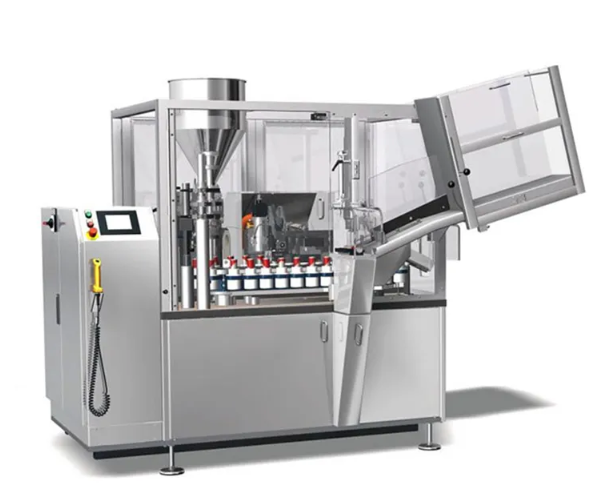
Core Sealing Parameters in Fully Automatic Tube Filling Machines
Optimizing Temperature, Pressure, and Dwell Time for Reliable Seal Formation
Getting the temperature, pressure, and dwell time just right is absolutely critical when it comes to creating those leak proof seals in automatic tube filling machines. The temperature needs to be hot enough to melt the sealing layer but not so hot that it damages the material itself. For polyethylene tubes, we're usually looking at around 180 to 220 degrees Celsius, although different materials will require different settings. When it comes to pressure, what matters most is getting those sealing surfaces to really press together properly. Most PE tubes work well with pressures between 40 and 60 psi, but things get trickier with aluminum or laminated materials where the pressure range has to be either much tighter or actually wider. Dwell time, which typically runs from half a second to two full seconds, gives the molecules time to bond properly while keeping excess heat away from the actual product inside. Industry research shows that if any of these parameters drift more than 5% off target, seal failures jump by about 30%. That's why modern equipment now incorporates closed loop feedback systems with thermal sensors that constantly monitor conditions and make adjustments on the fly. These systems help prevent all sorts of problems like channels running through the seal, weak spots along the seam, or cold areas that can seriously compromise how well the package protects its contents.
How Tube Material (ALU, Laminated, PE) Affects Parameter Sensitivity and Consistency
Tube composition fundamentally governs sealing parameter sensitivity and operational consistency:
| Material | Temperature Sensitivity | Pressure Range | Dwell Time Window |
|---|---|---|---|
| Aluminum (ALU) | ±10°C tolerance | 50–70 psi | 0.3–0.8 seconds |
| Laminated | ±5°C critical | 30–50 psi | 1.0–1.5 seconds |
| Polyethylene (PE) | ±15°C flexible | 40–60 psi | 0.5–2.0 seconds |
ALU tubes need to be processed at lower temperatures to stop oxidation from happening, but they also require increased pressure to get good metal contact between layers. Laminated materials aren't very stable when it comes to heat changes either. If temperature varies more than plus or minus 5 degrees Celsius, there's about a 45% chance of layers coming apart according to studies published in packaging journals. Polyethylene gives manufacturers more flexibility during processing, but watch out what happens when temps drop below 160 degrees Celsius. At those low points, PE tends to become brittle and cracks can form when subjected to normal stresses. For consistent results throughout production batches, specific calibration settings for each material type are absolutely necessary instead of just using standard factory defaults. Generic settings simply won't cut it if we want to maintain quality control and avoid complete failures in entire product lines.
Non-Destructive Seal Integrity Testing Methods for Fully Automatic Tube Filling Machines
Real-Time Vision-Based Inspection: Detecting Channeling, Gaps, and Fusion Irregularities
Modern high resolution machine vision systems can check seals on production lines at incredible speeds, often handling over 250 tubes per minute. These systems spot problems like channeling issues, fusion gaps, and tiny edge irregularities as small as 0.1 mm. Some advanced setups even include infrared imaging technology to track how heat distributes across sealed areas. This helps find those pesky cold spots or hot zones that might cause problems later on if left unchecked. According to research from Packaging Technology and Science in 2023, companies using continuous vision inspection saw a massive drop in rejected products due to leaks compared to old fashioned manual checks. The study showed around 92% fewer rejects overall, which means defects get caught right away without stopping the entire production line.
Integrated Force and Acoustic Monitoring for In-Process Ultrasonic Seal Validation
Modern ultrasonic sealing equipment comes equipped with both force sensors and acoustic transducers that check seal quality while the process is happening. The force monitoring keeps pressure applications tight within about half a Newton either way, and looking at the sound waves helps spot tiny flaws that regular optical systems just can't see. When certain frequencies shift, especially between 28 and 32 kilohertz, that often means there's something wrong underneath the surface. Industry tests following ISO 11607-2 standards show these combined sensors catch almost all micro leaks down to just 5 microns in size on those special laminated tubes used in pharmaceutical manufacturing. This kind of detection capability makes a big difference in maintaining product integrity across sensitive medical applications.
Sealing Technology-Specific Verification Protocols
Ultrasonic Sealing: Correlating Acoustic Emission Signatures with Micro-Defect Presence
The ultrasonic sealing process creates specific high frequency sound patterns. These patterns have amplitudes ranging between 20 to 50 micrometers and contain harmonics typically within the 18 to 40 kilohertz range. What's interesting is how these characteristics actually tell us about the microscopic structure of the seal itself. According to studies conducted by packaging experts at the Institute of Packaging Professionals, when there's an amplitude drift greater than 3 decibels or unusual changes in how frequencies respond over time, this often signals the beginning of channel formation before any visible issues appear on the surface. When operators compare these acoustic signatures to standard destructive testing results, they can set immediate quality control limits for production runs. Modern systems that implement this kind of sound-based monitoring manage to reduce micro leaks in laminated tube products down to almost nothing. This prevents not just cosmetic problems but also stops oxygen from getting into packaged goods while maintaining normal production speeds throughout the manufacturing line.
Heat and Induction Sealing: Thermal Imaging and Edge-Profile Metrology for Quality Gatekeeping
Infrared cameras are used for thermal verification to check how temperatures vary along the jaws with an accuracy of around plus or minus 2 degrees Celsius. This helps make sure the heat is applied consistently throughout the process. For example, when working with ALU tubes, we need to keep temperatures between 140 and 160 degrees Celsius so that the polymer fuses evenly across the entire surface. At the same time, laser profilometers come into play measuring the shape of the seal edges. Any unit where the width differs by more than 0.1 millimeter gets rejected from production. Using both these non-contact techniques allows manufacturers to spot problems like cold areas, buckling issues, or incomplete fusion right away before anything moves further down the line. Companies that implement this combination have seen impressive results, with most reporting about 99.2 percent conformity rate according to tests following ASTM F2475 standards.
Root-Cause Analysis and Preventive Calibration for Fully Automatic Tube Filling Machine Sealing Failures
Most problems with sealing in automatic tube fillers tend to come down to four main issues that often work together jaw misalignment, parts wearing out over time, parameters drifting off track, or dirt getting onto surfaces. When troubleshooting these issues, technicians usually start by looking at the machine logs for any weird temperature spikes or pressure drops during the sealing process. Then they check the actual jaws for signs of wear and look closely at the tubes themselves for residue buildup. Factory tests have shown this approach catches the real cause of failures about 92% of the time, which is pretty good considering how complex these systems can get.
Preventive calibration establishes repeatable safeguards:
- Sensor validation: Monthly thermal sensor checks maintain ±1.5°C accuracy
- Force calibration: Bi-weekly pressure testing ensures uniform jaw engagement
- Component lifecycle tracking: Proactive replacement of sealing elements at 80% of rated service life
- Material audits: Quarterly compatibility assessments between tube stock and sealing method
When companies build these methods into their Statistical Process Control system, they start tracking those six important factors: temperature stays steady, pressure remains consistent throughout, how long parts stay in place, whether jaws are properly aligned, surfaces need to be clean enough, and what the surrounding air moisture levels look like. This approach cuts down on failures quite dramatically, about two thirds less than before according to industry data. The automation aspect helps too. Machines handle the calibration work so people don't make mistakes as often. Production keeps running smoothly instead of stopping every time something goes wrong. Maintenance teams spend less time fixing problems after they happen and more time anticipating issues before they cause real damage to operations.
FAQ
What is the importance of sealing parameters in tube filling machines?
Sealing parameters such as temperature, pressure, and dwell time are crucial to ensure leak-proof seals and maintain the integrity of the packages during automatic tube filling.
How does tube material affect sealing parameter sensitivity?
The composition of the tube material, such as aluminum, laminated, or polyethylene, influences the sensitivity and stability of sealing parameters, demanding specific calibration settings for each type.
What are some non-destructive testing methods for seal integrity?
Modern methods like real-time vision-based inspection and integrated force and acoustic monitoring help detect issues like channeling, gaps, and fusion irregularities during the sealing process.
What preventative measures can be taken to avoid sealing failures?
Preventive measures include regular sensor validation, force calibration, lifecycle tracking of components, and material audits to maintain consistent quality and reduce failures.
Table of Contents
- Core Sealing Parameters in Fully Automatic Tube Filling Machines
- Non-Destructive Seal Integrity Testing Methods for Fully Automatic Tube Filling Machines
- Sealing Technology-Specific Verification Protocols
- Root-Cause Analysis and Preventive Calibration for Fully Automatic Tube Filling Machine Sealing Failures
- FAQ