 EN
EN

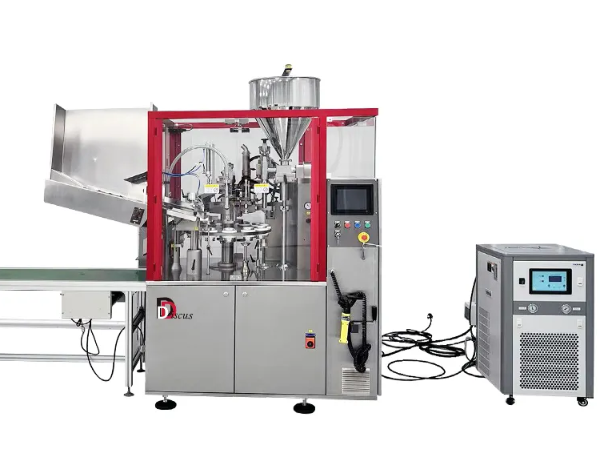
Standard Voltage Requirements for Semi-Automatic Filling Machines
Understanding voltage specifications prevents operational failures in semi-automatic filling equipment. This section details common voltage ranges and regional compatibility factors.
Common Input Voltage Ranges: 110V, 220V, and 380V Explained
Semi-automatic filling machines typically operate at 110V, 220V, or 380Vâeach aligned with distinct power tiers and application scopes:
- 110V: Powers small benchtop units with motors under 3 kW, common in North American facilities.
- 220V: Supports mid-capacity machines (3â10 kW) for moderate-speed filling using single-phase power.
- 380V: Reserved for industrial-grade three-phase systems handling high-viscosity fluids or outputs exceeding 10 kW.
Higher voltage enables more efficient motor performance: 380V three-phase reduces energy loss by 15â20% compared to equivalent single-phase setups. Always match voltage to motor specifications to prevent overheating and premature wear.
How Regional Standards and Machine Class Influence Voltage Compatibility
Regional electrical norms dictate voltage selectionâand directly shape machine class design:
| Region | Residential/Commercial Voltage | Industrial Voltage | Machine Class Alignment |
|---|---|---|---|
| North America | 120V single-phase | 480V three-phase | Light-duty: 110Vâ120V Heavy-duty: 480V |
| Europe | 230V single-phase | 400V three-phase | Standard: 230V High-speed: 400V |
| Asia | 220V single-phase | 380V three-phase | Compact: 220V Automated lines: 380V |
Industrial-class semi-automatic filling machines require three-phase power for torque stability during continuous operation. Basic models align with regional single-phase standardsâbut frequency (50Hz/60Hz) must also match local grid specs, as mismatches cause timing errors and sensor drift. Verify both voltage and frequency during procurement to avoid costly retrofits.
Why Voltage Stability Matters for Semi-Automatic Filling Machine Reliability
Voltage Fluctuations and Their Impact on Filling Accuracy
Unstable voltage really messes with how accurately things get filled. If the power supply drops or spikes more than 10% from what it should be, those pumps start running at different speeds. That means liquids end up getting poured too much or too little, sometimes off by over 5%. We've seen this happen in factories where the electricity just dips below 90% of normal levels for a few seconds. The sensors then get confused, so what the machine thinks it's putting into a container doesn't match reality at all. This creates a lot of headaches because they have to throw out batches and redo them, wasting around 15 to 20% more materials than usual. And when dealing with thick stuff like syrup or glue, even small power hiccups while dispensing can leave containers half full. Not only does this cost money, but it also puts companies at risk of failing inspections since regulators don't look kindly on inconsistent product volumes.
Long-Term Effects on Motor Lifespan and Control System Integrity
When voltage keeps fluctuating, it really speeds up the breakdown of important parts throughout the system. If there are surges going over 110%, motor windings get overheated, which can cut their life expectancy down around 40% according to various reliability studies. Low voltage problems over time cause motors to pull more current than they should, leading to faster wear on insulation materials and bearings. Electrical interference builds up damage in control systems too. Programmable logic controllers tend to have about 30% more memory issues within just one year when operating under these unstable conditions. All this adds up to unexpected shutdowns that cost businesses roughly $740,000 each year in lost manufacturing output as reported by Ponemon Institute back in 2023.
Power Supply Design Considerations for Semi-Automatic Filling Machines
Single-Phase vs. Three-Phase Power: Performance, Efficiency, and Installation Requirements
Getting the right power phase makes all the difference when it comes to equipment performance and how long things last. Single phase power at 110V or 220V is much easier to install and cheaper initially, which works well for small shops or places with basic electrical systems. But there's a catch. These setups can't handle heavy workloads for long periods without losing some efficiency. For serious industrial applications, three phase power at 380V plus gives better torque stability and saves energy overall. Motors run smoother too, cutting down wear and tear by around 15% over time. This means products get filled more accurately and parts tend to last longer before needing replacement. Of course, this comes at a price. Installing three phase requires special transformers and qualified electricians, so budget accordingly if going this route.
| Power Type | Performance | Efficiency | Installation Requirements |
|---|---|---|---|
| Single-Phase | Suitable for low-mid throughput | Moderate energy use under load | Standard outlets; minimal upgrades |
| Three-Phase | Optimal for high-volume demand | 10â15% higher efficiency at scale | Dedicated circuits; professional wiring |
Facilities must audit existing voltage capacity before deployment. Undersized circuits cause voltage drops that degrade filling precision, while phase mismatches risk immediate equipment damage. Prioritize three-phase systems for production exceeding 500 units/hourâbut only after confirming local grid compatibility.
Practical Voltage Selection Guide for Buyers and Integrators
Aligning Semi-Automatic Filling Machine Voltage Specs with Facility Infrastructure
When thinking about buying new equipment, it's really important to check what kind of electricity supply the building actually has. Look at three main things first: whether it runs on 110 volts, 220 volts or maybe even 380 volts, if it uses single phase or three phase power, and how many amps are available overall. Getting the voltage wrong means having to buy transformers which can cost anywhere from fifteen thousand to forty thousand dollars and will waste around eight percent of energy efficiency according to Energy Star reports from last year. Take note too that plugging in something designed for 220 volts into a regular 110 volt outlet could destroy motors pretty quickly after just a few weeks operation. Plant managers need to make sure they compare their electrical panels specifications directly against what's written on the machine itself. Plants still running old 110 volt systems would be wise to invest in machines that work with multiple voltages right from the start rather than dealing with expensive upgrades later down the road.
Real-World Consequence: Voltage Mismatch Case Study in Beverage Packaging
A Midwest juice bottler installed a 380V semi-automatic filling machine into their 220V facility without voltage verification. Within a month, erratic fluctuations caused:
- 12% overfills, driven by inconsistent pump speeds
- Premature motor failure (replacement cost: $7,200)
- 34 hours of unplanned downtime
Post-mortem analysis revealed voltage sag triggered protective shutdowns in control systems. The facility resolved this with a three-phase transformer upgradeâvalidating that upfront voltage verification prevents 92% of operational failures in industrial filling (Packaging Digest 2022).
FAQ
What are the common voltage ranges for semi-automatic filling machines?
Semi-automatic filling machines typically operate at 110V, 220V, or 380V. Each of these voltage ranges corresponds to different power tiers and application scopes.
How does voltage stability affect filling accuracy?
Unstable voltage can cause pumps to operate at inconsistent speeds, leading to overfills or underfills. This impacts the accuracy of the filling process and can result in wasted materials.
What are the installation requirements for single-phase and three-phase power?
Single-phase power requires standard outlets and minimal upgrades, whereas three-phase power requires dedicated circuits and professional wiring, typically for high-volume demand facilities.
Why is voltage mismatch a problem in industrial filling?
Voltage mismatch can cause operational failures including erratic fluctuations, motor failure, and downtime. It's crucial to verify voltage compatibility to avoid such issues.