 EN
EN

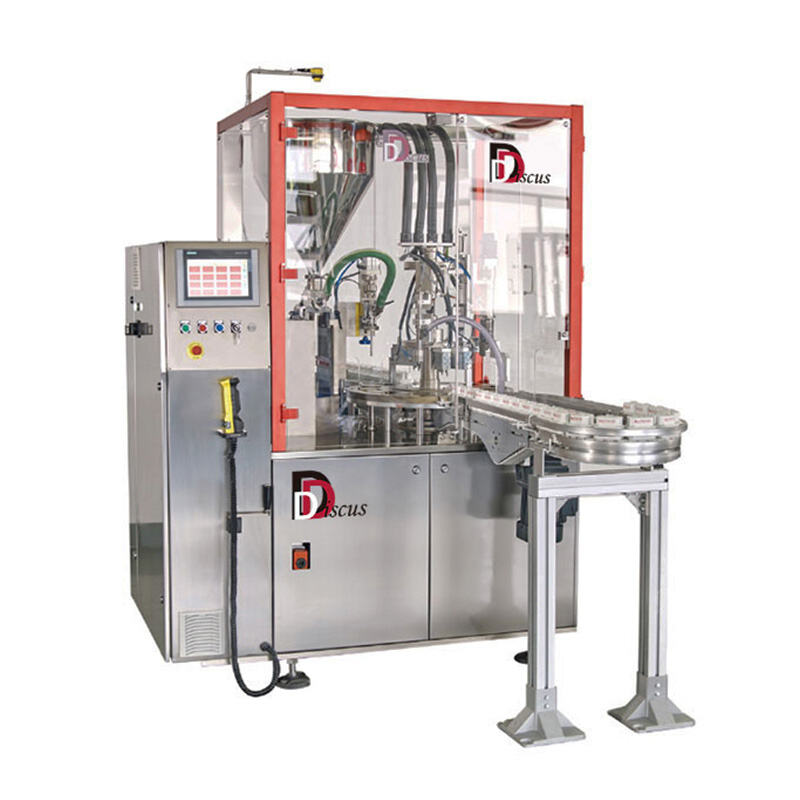
Granule Compatibility: Core Capabilities of Semi-Automatic Pouch Bag Filling Machines
How Volumetric Cup and Weigh-Metric Systems Handle Granules
Granules can be handled by semi automatic pouch bag fillers in two main ways. The first method involves volumetric cups that deliver set amounts thanks to their calibrated cavities. These work best when dealing with materials that flow easily and maintain consistent shape and density, think coffee beans or candies for instance. On the other side of things we have weigh metric systems which use accurate load cells to track weight as it happens. These are particularly good at handling tricky substances where particles might settle differently or change density over time, like pet food mixes, shredded cheese products, or those flaky supplement powders. Both approaches tackle common problems faced with granular materials. When stuff settles down after being discharged or creates airborne dust issues, manufacturers incorporate special design elements. Vacuum assisted nozzles help keep everything contained, whereas vibrating trays or mechanical agitators make sure the material keeps moving smoothly towards the weighing area without getting stuck.
Accuracy and Consistency Benchmarks for Granule Filling
Looking at how these systems perform shows what makes them stand out from one another. Volumetric fillers generally hit around 1-2% accuracy for materials with stable density, but only works well when particles are similar in size and flow smoothly without clumping. The weigh metric approach gives much better control usually staying within half a percent tolerance because it adjusts automatically for things like trapped air, changing moisture levels, and material density variations during operation. Keeping things consistent long term requires attention to several factors including managing vibrations, regular calibration checks, and being aware of environmental conditions. For example, humidity swings can throw off measurements for materials that absorb water easily such as vitamin powders or herbal extracts, so recalibration becomes necessary under those circumstances. With good maintenance practices, semi automatic machines typically maintain about 99.5% consistency across batches of freely flowing grain products. Most experienced operators run quick tests every hour using random samples to check performance, while following ISO 9001 guidelines helps ensure proper documentation trails and keeps the whole process improving over time.
Critical Product Handling Factors for Granular Materials
Managing Settling, Dust, and Pouch Support During Filling
When dealing with granules, there are really three main things that need attention for proper handling: how they settle, dust issues, and supporting the pouches themselves. Granules tend to pack down as they fall into containers because of gravity, which can leave pouches underfilled unless something stops it. That's why most machines have vibration systems built in to keep the material evenly distributed throughout the hopper and measuring chamber areas. Dust is another big concern when working with powdery stuff like supplements or dried spices. We've seen plenty of facilities struggle with this until they installed vacuum systems equipped with HEPA filters right at the filling station. These systems grab airborne particles before they become a problem for workers' lungs, contaminate products, or wear out equipment over time. Then there's the weight issue. Heavier granular materials push down on the packaging material, so good support structures matter a lot. Most modern machines come with adjustable grippers, stronger support arms, and sometimes even custom made holders depending on what's being packaged. The best models can handle pouches weighing up to 5 kilograms without any issues. Putting all these elements together makes a huge difference in practice. Fill accuracy stays within about 2% variance, and companies report cutting their waste levels by around 15% when switching from basic setups to these more comprehensive solutions.
Selecting the Right Filling Method: Cups vs. Weighers for Granules
Volumetric Cup Fillers for Uniform Granules (e.g., Coffee Beans, Candy)
Cup fillers work great when dealing with granular materials that have consistent shape and weight characteristics, think roasted coffee beans, hard candies, or those neat little rice pellets everyone seems to love these days. These machines fill fixed volume cups pretty quickly too, often handling around 30 pouches each minute while keeping things mechanically simple. What makes them attractive? Well, they tend to be cheaper upfront and easier on maintenance budgets. Plus, operators find them relatively easy to manage once set up properly. The accuracy stays within about 1% volume tolerance which works fine for stuff that doesn't change density much during processing. But watch out for tricky cases involving oddly shaped particles or materials that tend to clump together or compress as they get filled. That's where cup fillers start showing their limitations.
Weigh-Metric Systems for Irregular or Density-Variable Granules (e.g., Shredded Cheese, Pet Food)
Weigh metric systems were designed specifically for situations where precision matters or when dealing with products that vary in density. Instead of going by volume measurements, these systems actually weigh each portion first, which cuts down on waste and keeps everything within legal requirements for net weight. They work particularly well with things like shredded cheese that tends to trap air, pet food kibble that comes in all shapes and sizes, or those flaky vitamin supplements. The system makes adjustments on the fly for all sorts of inconsistencies that regular volume based methods just miss out on detecting. Accuracy stays around plus or minus half a percent even when working with tricky materials. Sure, there's a bigger price tag upfront and they need checking more often than standard equipment, but businesses find it pays off in protected profit margins and staying on the right side of regulators especially when product weight affects pricing, how long items stay fresh, or what needs to go on packaging labels.
| Filling Method | Best For Granule Type | Accuracy | Cost Efficiency |
|---|---|---|---|
| Volumetric Cup Filler | Uniform, stable-density (e.g., candy) | Volume-based ±1% | High |
| Weigh-Metric System | Irregular, variable-density (e.g., pet food) | Weight-based ±0.5% | Moderate |
When to Choose a Semi-Automatic Pouch Bag Filling Machine for Granules
For businesses packing granules at under 3,000 pouches per day, semi automatic pouch fillers offer great bang for buck. These machines work wonders for SMEs, startups, and product teams watching their wallets closely. The good news is they cost around 40 to 60 percent less than full automation options upfront. And despite being cheaper, they actually measure pretty accurately too. We're talking about plus or minus 1 to 2 percent accuracy for regular stuff like sugar or salt when using volume cups. Get fancy with weight sensors and that drops to just half a percent variance. What makes these machines really stand out is how easy they are to switch between different materials. Need to go from flowing grains to oddly shaped pet food? No problem, no need to spend big on new equipment. Sure, someone has to load the pouches manually, but for shops running at moderate speeds or needing lots of flexibility in their processes, this setup works just fine. Many companies treat these as stepping stones toward full automation while still getting decent results today.
FAQ
What types of granules are best suited for volumetric cup fillers?
Volumetric cup fillers are ideal for uniform, stable-density granules like coffee beans, candies, or small rice pellets. These machines work well with materials that maintain consistent shape and do not easily clump or compress.
When should a business opt for weigh-metric systems?
Businesses should consider weigh-metric systems for irregular or density-variable granules, such as shredded cheese or pet food. These systems provide higher accuracy, adjusting for inconsistencies related to material density and trapped air.
What are the accuracy benchmarks for semi-automatic pouch fillers?
When using volume cups, semi-automatic pouch fillers typically achieve an accuracy of ±1 to 2 percent, whereas weigh-metric systems offer a tighter tolerance of ±0.5 percent.
Why are semi-automatic fillers recommended for SMEs and startups?
Semi-automatic fillers are cost-effective, requiring a lower initial investment than full automation. They offer flexibility, allowing businesses to switch quickly between different materials and pack under 3,000 pouches per day efficiently.