 EN
EN

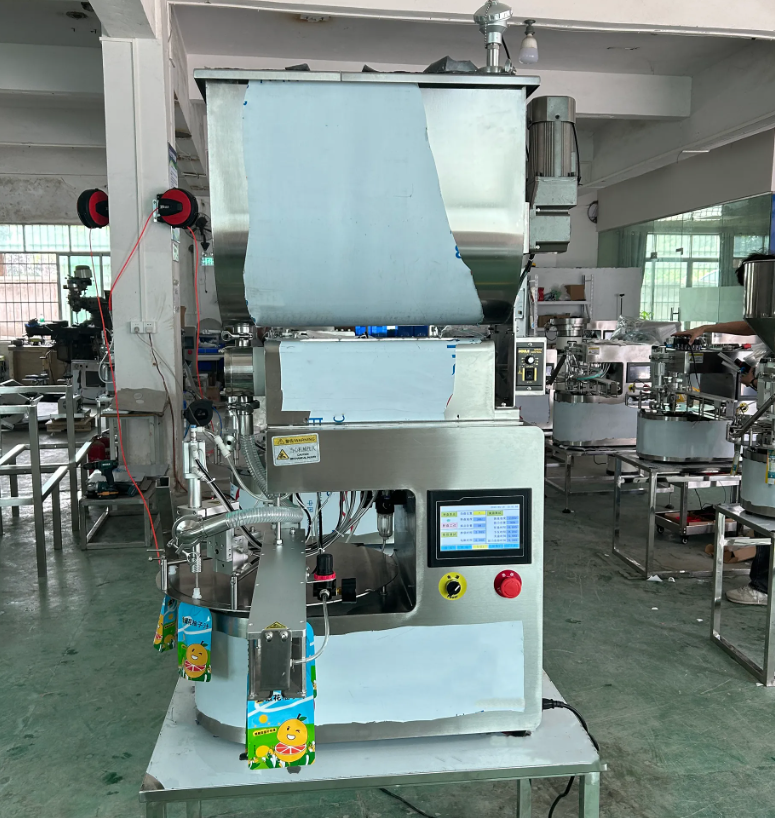
Essential Safety and Pre-Disassembly Preparation
Implementing Lockout-Tagout (LOTO) and Mitigating Vacuum, Pressure, and Electrical Hazards
Always lock out and tag out before even getting close to any parts. That means cutting off all power sources including electricity, air pressure systems, and hydraulics. Check if the vacuum chamber has fully lost pressure with proper measuring tools because anything left above 5 psi could shoot pieces across the room unexpectedly. While doing this, also release pressure from hydraulic lines and make sure capacitors are drained completely so nothing starts working on its own. Safety experts at OSHA say something like 89 percent of serious accidents during equipment repairs happen when these basic steps get skipped or rushed through.
Required Tools, PPE, and Controlled Workspace Setup for Vacuum Homogenizer Mixer Machine Disassembly
Creating a workspace free from contaminants starts with good lighting and flooring that prevents static buildup. When it comes to tools, technicians need calibrated insulated torque wrenches, non-sparking spanners, vacuum rated equipment for removing seals, plus alignment lasers for those tricky drive coupling jobs. For personal protection gear, ANSI Z87.1 rated safety glasses are a must, along with thick chemical resistant gloves (at least 8 mils) and sturdy steel toe footwear. Keeping disassembled components organized matters too. Labeled trays help track everything properly. And let's not forget why organization counts so much here cross contamination remains responsible for around 35% of early failure cases in homogenizers according to industry reports. That makes proper workspace management not just good practice but essential maintenance strategy.
Core Disassembly Sequence for Vacuum Homogenizer Mixer Machine Components
Removing the Vacuum-Sealed Lid, Hydraulic Lifting System, and Sealing Gaskets
First things first, make sure the hydraulic system is fully depressurized before doing anything else. Let any remaining vacuum pressure escape through those special ports designed for this purpose. Once we've confirmed lockout tagout procedures are properly in place, it's time to tackle those hydraulic lines with some good old fashioned flare nut wrenches. When removing the mounting bolts, go around them in a star pattern rather than straight across. This helps keep the lid from warping and actually prevents about a quarter of all flange damage cases according to Maintenance Tech Review last year. Carefully pull out that main silicone gasket using a plastic scraper, checking along the way if it shows signs of compression set or cracks. And don't forget to put all those seals into anti static bags right away so they stay clean from dust and other contaminants that could ruin everything later on.
Detaching the High-Shear Rotor-Stator Assembly and Drive Coupling
Secure the drive shaft with a locking pin before unbolting the coupling guard. Match-mark the rotor orientation relative to the stator using UV-resistant paint. Critical torque specifications vary by model:
- <5HP units: 35–40 Nm coupling bolts
- >15HP units: 80–85 Nm with thread-locking compound
Withdraw the assembly axially using alignment dowels, avoiding contact between rotor tips and stator walls. Immediately bag the assembly to prevent airborne contamination—unprotected rotor-stators develop corrosion pitting within 8 hours in humid environments.
Extracting the Jacketed Mixing Vessel, Vacuum Port Fittings, and Integrated Sensors
Start by isolating those coolant lines running through the jacket system and make sure they're completely drained out. Before anything else, take out those vacuum gauge probes along with all temperature sensors and don't forget to label every single wire harness properly so nothing gets mixed up later. When it comes time to lift the vessel itself, grab a good quality spreader tool to keep things balanced and avoid damaging those precious flanges. Check those O-rings sitting in the port fittings for any signs of extrusion. If they've compressed more than about 15% of their original size, better replace them right away. And remember to jot down all the sensor calibration details somewhere safe before putting everything away for storage. Trust me, this stuff saves headaches down the road.
Critical Model-Specific Variations in Vacuum Homogenizer Mixer Machine Disassembly
Benchtop vs. Production-Scale Units: Seal Configurations, Access Panels, and Torque Specifications
The way these things come apart is pretty different when comparing benchtop versions to full scale industrial vacuum homogenizer mixers. The smaller benchtop models usually have those simple access panels in one spot and standard O-rings that let technicians take them apart using just regular hand tools. But when we get to the big industrial ones, it gets complicated fast. These need careful step-by-step removal of those layered vacuum seals plus specific hydraulic torque settings somewhere around 120 to maybe 300 newton meters to keep everything sealed properly. And don't forget about those sensor ports built right into production systems which demand special tools most people won't find on smaller equipment. A lot of problems happen because folks try applying industrial methods to benchtop units. About six out of ten seal damages actually come from this mismatch. Manufacturers really stress their own documentation for good reason too. We see roughly one third of all expensive vacuum leaks traced back to wrong torque sequences when detaching vessels from these machines.
Post-Disassembly Inspection, Cleaning, and Readiness Assessment
Evaluating Wear on Rotor-Stator, Mechanical Seals, O-Rings, and Vacuum Integrity Components
Begin inspection with the rotor-stator assembly: measure blade-edge thickness and radial clearance against industry tolerances. Excessive scoring or imbalance signals imminent failure. Next, examine mechanical seals for heat cracks and spring tension degradation; replace if lapping fails to restore flatness.
For vacuum integrity, inspect O-rings and gaskets under magnification for compression set, chemical swelling, or micro-tears. Confirm reliability with pressure-testing at 150% operating vacuum. Clean all parts ultrasonically with non-corrosive solvents—never use abrasive methods on polished surfaces.
Finally, document wear patterns and dimensional deviations. This baseline determines component service life. Reassembly readiness requires zero residue and validated dimensional stability.