 EN
EN

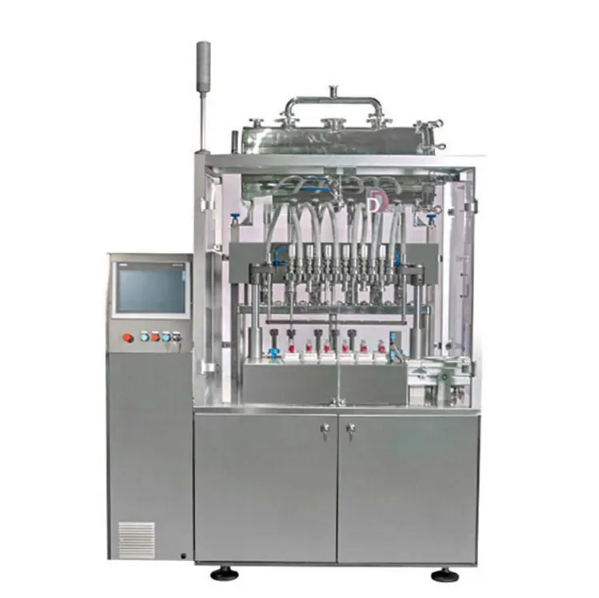
Chemical Compatibility: Matching Liquid Filling Machines to Daily Chemical Properties
Viscosity, Corrosiveness, and Reactivity — Key Determinants for Liquid Filling Machine Selection
When choosing liquid filling equipment for everyday chemical production, there are really three main factors to consider about the materials being handled: how thick they are (viscosity), whether they eat away at things (corrosiveness), and if they react dangerously with other substances (reactivity). Thin liquids like disinfectants generally work well with simple gravity feed systems since they flow so easily. But thicker stuff such as concentrated detergents needs something more powerful like positive displacement technology, which includes those piston or peristaltic pumps we see in many plants. These help ensure accurate measurements and stop problems like dripping or underfilling. Then there's the issue with corrosive chemicals, especially common ones like bleach based cleaners or acidic drain openers. These will literally eat through standard equipment over time unless manufacturers use special chemically resistant materials that can stand up to the abuse without breaking down, leaking, or letting metal ions get into the product itself. Reactive ingredients present another challenge altogether. Think about oxidizers or peroxides here. For these tricky materials, companies need equipment with inert contact surfaces, maybe PTFE lined valves or 316L stainless steel components throughout the system. Otherwise there's a real risk of dangerous decomposition or unexpected chemical reactions happening during processing. According to recent stats from Packaging Digest in 2023, around one quarter of all unplanned downtime across chemical manufacturing facilities actually stems from mismatched material compatibility issues. That makes sense when looking at both operational costs and safety concerns.
Material & Sanitation Standards: Why 316 Stainless Steel, EPDM Seals, and FDA Compliance Are Non-Negotiable
For household chemical applications, regulatory and material specifications are foundational—not optional enhancements. Critical components must meet rigorous benchmarks:
- 316-grade stainless steel housings and wetted parts resist pitting and chloride-induced corrosion common in cleaning solutions and sanitizers;
- EPDM elastomer seals, rated for pH 0–14, remain stable in caustic drain openers and acidic descalers without swelling, hardening, or leaching;
- FDA-compliant designs, including food-grade lubricants and non-migrating surface finishes, eliminate contamination risk—especially vital for products labeled “non-toxic” or used in home environments.
Aseptic construction with full Clean-in-Place (CIP) integration further mitigates cross-contamination during frequent product changeovers. Manufacturers upgrading to fully compliant systems report up to a 99.8% reduction in packaging-related defects—demonstrating how adherence to these standards directly safeguards brand trust, consumer safety, and regulatory compliance.
Liquid Filling Machine Types Optimized for Household Chemicals
Piston and Peristaltic Pump Fillers for Viscous or Aggressive Formulations (e.g., Detergents, Disinfectants)
When dealing with tough household chemicals, piston and peristaltic pump fillers stand out as specialized equipment. Piston fillers handle everything from thin liquids to thick substances like gels and pastes, working reliably even at viscosities approaching 100,000 cP. They maintain pretty good accuracy too, staying within about 1% volume despite tricky behaviors such as shear-thinning effects. For products that really bite back, peristaltic pumps have something special going for them. Since only the inner tube touches the actual chemical, these pumps keep corrosive stuff like bleach solutions away from all the moving parts inside. The tubes themselves come in different materials depending on what's being handled EPDM works well against most acids and bases, while PTFE handles super strong oxidizing agents without breaking down. This makes maintenance easier and keeps things clean between batches. Both types of filler work great with stainless steel frames rated for harsh environments and meet FDA standards throughout their fluid path, so manufacturers get both lasting performance and regulatory approval without losing track of accurate measurements.
Gravity, Volumetric, and Rotary Systems: Balancing Speed, Accuracy, and Scalability in Daily Chemical Lines
When dealing with low viscosity stable products such as glass cleaners fabric softeners or alcohol based sanitizers gravity fed and servo driven volumetric fillers offer fast and economical packaging solutions. The gravity systems can handle well over 200 bottles per minute and require very little maintenance. Meanwhile volumetric fillers equipped with servo controlled pistons or auger pumps manage to hit around plus or minus 0.5 percent accuracy even when filling PET or HDPE containers containing volatile solvents. Rotary platforms take things further by allowing multiple stations to work together continuously for tasks like capping labeling and quality checks which saves space on the factory floor and makes production lines run smoother. For products with medium viscosity like liquid soap or shampoo manufacturers often turn to timed flow fillers featuring special anti foam nozzles and adjustable settings that reduce trapped air and produce neat consistent fills every time. These different filling technologies make it possible to switch quickly between various product formats ranging from small 50 ml trigger sprays all the way up to large 5 gallon buckets without losing track of precision or maintaining proper hygiene standards throughout the process.
Precision Filling Requirements: Net Weight vs. Volumetric Control in Chemical Packaging
Achieving ±0.5% Accuracy with Load-Cell–Based Net Weight Liquid Filling Machines for Bulk Containers
Filling expensive or variable density daily chemicals like concentrated detergents, industrial disinfectants, and solvent blends using just volumetric control creates serious problems. The issue comes down to temperature swings, foaming issues, and density changes from things like different ingredient batches or trapped air bubbles. These factors cause volumetric systems to either put too much or too little product into containers, resulting in wasted materials, costly reformulations, or even regulatory violations. That's why many manufacturers switch to load cell based net weight fillers instead. These machines measure actual weight while dispensing, constantly adjusting their speed when they detect changes in viscosity, trapped air, or temperature effects. They typically hit around plus or minus half a percent accuracy, which matters a lot for big containers. Take those 20 liter drums of premium disinfectant for instance. At that scale, staying within half a percent tolerance saves companies hundreds of thousands each year according to industry studies from Ponemon back in 2023. This kind of precision helps protect profit margins and keeps everything compliant with regulations such as the FTC's 16 CFR Part 500 requirements.
| Filling Method | Accuracy | Best For | Limitations |
|---|---|---|---|
| Volumetric Control | ±1.0% | Stable, low-viscosity liquids (e.g., water-based cleaners, oils) | Fails with density shifts, foam, or temperature drift |
| Net-Weight (Load Cell) | ±0.5% | Variable-density, foaming, or reactive chemicals (e.g., concentrates, solvents, oxidizers) | Lower throughput than high-speed volumetric systems |
Scalable Automation and Container Flexibility for Diverse Daily Chemical Packaging
Modular Tooling and Quick-Changeover Design: Supporting 5 mL Samples to 20-L Drums on One Liquid Filling Machine
Household chemical producers today need flexible equipment instead of those old school dedicated production lines that only handle one thing at a time. The latest liquid filling systems come with modular tooling setups that can tackle pretty much any packaging job imaginable. We're talking everything from tiny 5mL sample bottles for stability testing right up to massive 20 liter containers filled with concentrated cleaning solutions for industrial use. These machines feature standard clamps across different models, plus various filling head options like pistons, peristaltic pumps, and gravity feed systems. Plus there's this handy digital preset function that cuts down changeover times significantly when switching between formats. Manual recalibration becomes almost obsolete, which obviously reduces errors caused by human operators. Advanced features such as laser guided height sensors work alongside servo driven conveyor belts to automatically detect container sizes and adjust fill positions, nozzle depths, and other dispensing settings on the fly. This means manufacturers get consistently accurate fills whether dealing with something as runny as bleach or thicker products like hand soaps. Beyond just saving money on equipment costs and factory space, these adaptable systems let companies pivot quickly during peak seasons, manage special order items, test new product formats, and even incorporate eco friendly packaging innovations without sacrificing quality control standards or risking contamination issues.
FAQ
What factors determine the choice of liquid filling equipment for chemicals? The choice depends on viscosity, corrosiveness, and reactivity of the chemical materials.
Why is 316-grade stainless steel important in filling machines? This material resists corrosion common in cleaning solutions, ensuring durability.
How do piston and peristaltic pumps differ in handling chemicals? Piston pumps are versatile for various viscosities, while peristaltic pumps keep corrosive chemicals away from moving parts.
What role do modular tooling systems play in chemical packaging? They provide versatility, allowing for quick adaptation to different container sizes and reducing changeover times.
Table of Contents
- Chemical Compatibility: Matching Liquid Filling Machines to Daily Chemical Properties
- Liquid Filling Machine Types Optimized for Household Chemicals
- Precision Filling Requirements: Net Weight vs. Volumetric Control in Chemical Packaging
- Scalable Automation and Container Flexibility for Diverse Daily Chemical Packaging