 EN
EN

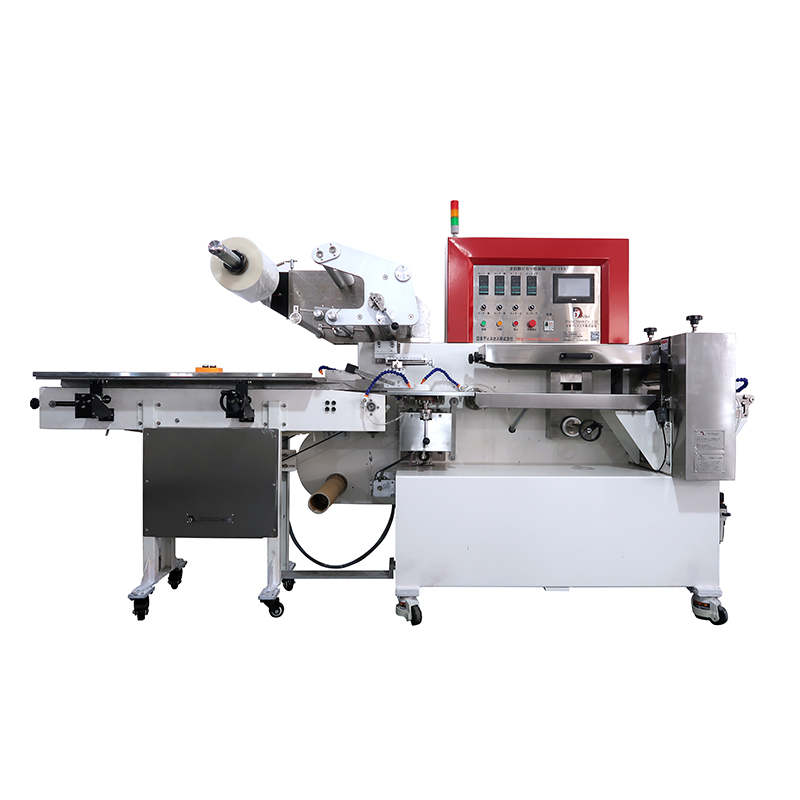
How Fully Automatic Tube Filling Machines Work and Their Core Requirements
Overview of the automated tube filling and sealing workflow
Automatic tube filling machines bring together feeding, filling, and sealing all in one smooth operation, which makes production much faster than older methods. When empty tubes come into the machine, they get lined up properly and moved along rotary systems. Special nozzles then fill them with products like creams, gels, or liquid solutions at incredible speed sometimes over 2000 units every hour depending on setup. For sealing purposes, plastic tubes usually go through heat crimping while laminated ones need folding and pressing techniques to create those tight seals that keep contents fresh. The whole system runs pretty much on its own once started, cutting down on manual labor requirements and making sure there's far less chance of product getting contaminated during processing. Some recent industry research shows these fully automated systems cut contamination risk around 40 percent when compared with their semi automatic counterparts.
Critical machine parameters: Fill accuracy, speed, and format flexibility
Today's machines get pretty close to spot on filling accuracy, usually within about half a percent thanks to those fancy servo driven pumps and constant weight checks as they go. The faster versions can handle tubes ranging anywhere from 50 to 150 mm in diameter without needing any physical tinkering. And changing between different materials? That takes no time at all with the quick change tooling system. Switching from aluminum to plastic or laminate formats happens in under fifteen minutes flat. Why does this matter so much? Well, format flexibility has become absolutely essential these days. A recent packaging industry survey from 2023 found that nearly seven out of ten manufacturers put top priority on machines capable of handling both square and oval shaped tubes. This meets growing market demands for specialized products like certain skincare treatments and dental care items that require unique packaging shapes.
Role of automation in ensuring consistent performance and reducing downtime
Automated error correction systems detect misaligned tubes or underfilled batches, triggering immediate adjustments via PLC controls. Vision-guided robots clear jams in less than 0.3 seconds, maintaining uptime above 98% in continuous production environments. This level of automation reduces manual quality checks by 75%, with pharmaceutical trials demonstrating 99.96% batch consistency over 12-month periods.
Plastic Tubes: Performance and Compatibility with Fully Automatic Tube Filling Machines
Plastic tubes dominate modern packaging due to their versatility, but optimal performance in automated systems depends on material selection and machine compatibility. Polyethylene (PE), polypropylene (PP), and polyvinyl chloride (PVC) are most commonly used, each offering distinct advantages in cost, flexibility, and processing efficiency.
Common Plastic Materials (PE, PP, PVC) and Their Processing Characteristics
Polyethylene makes up around 62% of all packaging materials used in cosmetics according to Flexible Packaging Association data from 2023. Many manufacturers prefer PE because it melts at relatively low temperatures between 120 and 130 degrees Celsius, which works great with those fast heat sealing machines they all have these days. Polypropylene stands out differently though since it can handle much higher temps up to 170 degrees Celsius, so companies often choose PP when making things like shampoos that need to be filled while still hot. PVC is not as popular anymore but some brands still stick with it for thicker products where structural integrity matters most despite the drop in popularity. What really matters across all these materials is getting the temperature just right during production otherwise packages might warp or worse yet fail to seal properly after being filled.
Advantages in High-Speed Production and Cost-Effective Packaging
Plastic materials enable throughput rates of 400–600 tubes per minute–30% faster than aluminum alternatives. Their malleability reduces jamming in guide rails, and standardized dimensions support rapid tooling changes, essential for mixed SKU production. Additionally, plastic’s lightweight nature cuts shipping costs by 18–25% compared to laminated tubes.
Challenges: Deformation Control and Sealing Consistency During Automation
When production lines hit over 500 units per minute, about 12 percent of cosmetics companies notice issues with plastic tube deformation. The industry has responded by implementing several improvements. Some factories use dual stage cooling to keep those seals stable while others install servo controlled tension rollers that reduce stress as materials move through the system. There are also vision systems scanning for tiny defects at the micron level right as products come off the line. These recent upgrades have pushed leak free seal rates to around 99.5% for both PE and PP tubes. This makes a big difference for handling thicker products such as silicone based serums that were previously problematic due to their viscosity.
Aluminum and Laminated Tubes: Barrier Properties and Automation Challenges
Why Aluminum Tubes Offer Superior Protection for Sensitive Pharmaceuticals
Aluminum provides exceptional barrier protection, blocking 99.8% of oxygen and UV light (Pharmaceutical Packaging Report 2023), making it ideal for light-sensitive drugs such as corticosteroids and antibiotics. Its seamless, impact-extruded construction eliminates weak points, reducing leakage risks by 73% compared to plastic tubes in accelerated stability testing (Ponemon 2023).
Structure and Benefits of Multi-Layer Laminated Tubes (Plastic-Aluminum-Plastic)
Laminated tubes combine the best properties of multiple materials in a sandwich structure:
- Outer plastic layer: Enables high-resolution branding and tactile finishes
- Middle aluminum foil (9–30 μm): Acts as a robust barrier against gas and moisture
- Inner plastic layer: Prevents chemical interaction with sensitive contents
As detailed in the 2024 Material Innovation Guide, this design extends shelf life by 18–24 months while reducing material costs by 41% compared to pure aluminum tubes.
Sealing Integrity, Shelf-Life Extension, and Market Dominance in Skincare and Dental
When those laminated tube shoulders form a tight hermetic seal with their caps, they cut down on oxidation waste by nearly 30% compared to regular HDPE containers for cosmetic serums. No wonder so many high end skincare companies are switching over. About eight out of ten premium brands now rely on ABL tubes specifically for products containing sensitive ingredients like retinoids and vitamin C that degrade quickly when exposed to air. The dental industry has caught onto this trend too. Most dentists stock up on these special tubes for fluoride gels since they keep the paste from thinning out even when stored in different temperature conditions throughout the day. This stability makes them particularly valuable in busy clinics where materials might sit around longer than intended.
Machine Adaptations: Handling Laminated Tubes With Tension and Alignment Control
Processing laminated tubes requires specialized equipment to prevent creasing or delamination. Advanced systems use laser-guided web alignment to adjust positioning within ±0.1 mm in real time, achieving 99.4% first-pass accuracy. Servo-controlled crimping jaws apply 12–18 N of force–33% less than required for aluminum–to preserve layer integrity while maintaining sterile seals.
Tube Size, Shape, and Format Flexibility in Modern Filling Systems
Supported Dimensions: Range of Diameters and Lengths in Current Machines
Modern fully automatic tube filling machines support diameters from 10mm (for pharmaceuticals) to 75mm (industrial adhesives), with lengths ranging from 50–300mm. Laser-guided positioning and servo-controlled mandrels ensure ±0.5mm dimensional accuracy, enabling smooth format transitions without manual recalibration.
Handling Non-Round Tubes: Square, Oval, and Contoured Designs Without Jamming
The market for non-round tubes in high end skincare packaging has grown quite a bit lately, hitting around 23% thanks to brands wanting to stand out visually. At the cutting edge of this trend are machines equipped with rotating collets and those smart grippers that can handle all sorts of shapes from squares to ovals and even bespoke designs. These advanced systems churn out over 120 tubes every single minute, which is pretty impressive when you think about it. What really makes them special though is how they deal with tricky shapes. Vacuum stabilization works alongside AI vision tech to adjust on the fly for weird angles and curves. The result? A massive drop in jamming issues down to just 16% of what happens with old school mechanical guides according to Packaging Operations Review last year.
Quick-Change Tooling and Adjustable Formats for Efficient Mixed Production Runs
The new modular tooling comes equipped with magnetic couplings plus digital recipe settings that cut down format change times to around ten minutes flat. Plants that have adopted this technology report staying online at about 98 percent when running multiple product formats together, as per recent research from the flexible packaging sector back in 2023. With servo motors controlling everything from fill heads to capping units and conveyor belts, these machines can handle both soft laminates and stiff plastic tubes all at once without missing a beat. This kind of versatility makes production lines much more adaptable to changing demands while keeping downtime to a minimum.
Balancing Sustainability and Performance in Tube Material Selection
The recyclability vs. barrier performance dilemma in modern packaging
The packaging world presents manufacturers with a real dilemma. Pure aluminum provides excellent protection against oxygen and UV light, which can extend product shelf life anywhere from 18 to 24 months. However, this material isn't as easily recycled through regular consumer channels compared to other options. On the flip side, polyethylene (PE) tubes get recycled at rates around 85 to 90% in most municipalities, but they let in about three to five times more oxygen than those fancy laminated alternatives. Brands often find themselves stuck between keeping their products compliant with regulations for sensitive goods and meeting their green initiatives. There is some hope though with multi-layer laminates offering what might be called a halfway house solution. According to research published in 2025, these hybrid structures made from both plastic and aluminum cut down on material waste by roughly 22 percent while still keeping oxygen transmission under control at less than 0.01% for things like skincare products.
Decline of pure aluminum and rise of eco-friendly laminate alternatives
The market for pure aluminum tubes dropped by around 34 percent from 2020 to mid-2024 as manufacturers started turning toward eco-friendly laminates instead. We're seeing some pretty cool developments too - those triple layer PP/EVOH/PP tubes containing roughly 40% recycled material can actually handle the intense 120 degree Celsius sterilization needed for vaccines. When it comes to environmental impact, these new laminates produce about 92% fewer carbon emissions during the automated filling process compared to old school aluminum options. Plus there's another benefit worth mentioning: the switch to bio based adhesives means no more worries about silicone getting into products during fast paced capping operations, which is a big deal for quality control teams everywhere.
Future outlook: Mono-material laminates and sustainable innovation trends
Looking ahead to 2030, the packaging industry is focusing heavily on mono-material laminates that work well with those ISO certified automatic tube fillers out there. This transition needs some serious advances in how we develop materials though. Some early tests using PE mixed with cellulose look pretty good so far. These new materials actually boost moisture resistance by about point zero three percent compared to regular laminates, plus they can go right into single stream recycling bins. But here's the catch: getting these materials to work properly depends on keeping dimensions within a tenth of a millimeter tolerance range. Why? Because if they're not exactly the right size, they won't move smoothly through those super fast filling machines that run around in circles at production facilities. Right now this tight dimension requirement is holding back wider adoption of these thicker, greener alternatives despite their environmental benefits.
Table of Contents
-
Plastic Tubes: Performance and Compatibility with Fully Automatic Tube Filling Machines
- Common Plastic Materials (PE, PP, PVC) and Their Processing Characteristics
- Advantages in High-Speed Production and Cost-Effective Packaging
- Challenges: Deformation Control and Sealing Consistency During Automation
- Why Aluminum Tubes Offer Superior Protection for Sensitive Pharmaceuticals
- Structure and Benefits of Multi-Layer Laminated Tubes (Plastic-Aluminum-Plastic)
- Sealing Integrity, Shelf-Life Extension, and Market Dominance in Skincare and Dental
- Machine Adaptations: Handling Laminated Tubes With Tension and Alignment Control
- Supported Dimensions: Range of Diameters and Lengths in Current Machines
- Handling Non-Round Tubes: Square, Oval, and Contoured Designs Without Jamming
- Quick-Change Tooling and Adjustable Formats for Efficient Mixed Production Runs
- The recyclability vs. barrier performance dilemma in modern packaging
- Decline of pure aluminum and rise of eco-friendly laminate alternatives
- Future outlook: Mono-material laminates and sustainable innovation trends