 EN
EN

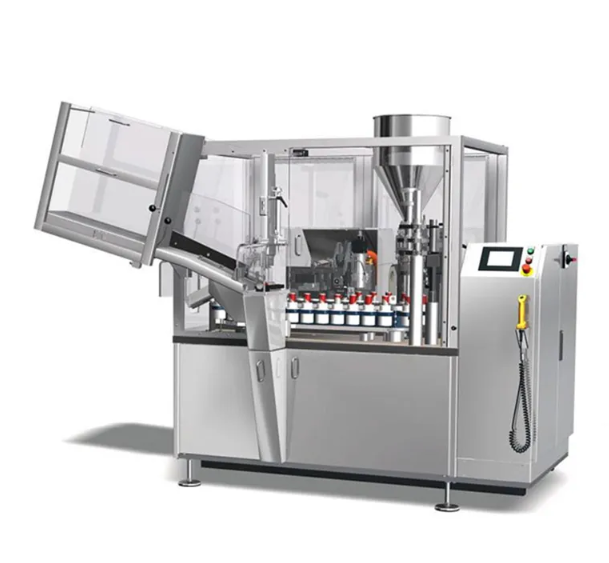
Key Maintenance Cost Drivers for High-Speed Liquid Filling Machines
Wear Parts Replacement: Seals, Nozzles, and Valves
The high speed of modern liquid filling machines puts serious strain on key components like seals, nozzles and valves. These parts face constant friction, pressure changes and mechanical stress during operation. For facilities running around the clock, standard practice is to replace seals roughly every three to six months. Nozzle tips tend to wear down much quicker though, especially when dealing with tough products like pulpy fruit juices that contain abrasive particles. The valves responsible for controlling fluid flow often develop tiny cracks over time due to repeated opening and closing motions. This leads to potential leaks and inconsistent fill volumes across bottles. Altogether, replacing these worn out parts accounts for about forty percent of yearly maintenance spending at most bottling plants. Some manufacturers opt for harder wearing materials like ceramic composites which can last anywhere from fifty to seventy percent longer in service. But there's a catch: these upgraded parts come with a price tag that's twenty to thirty five percent higher than standard options. Operational managers have to carefully consider whether extended part life justifies the increased initial investment versus their priorities for machine uptime and overall operating costs.
Product-Induced Wear: Effects of Abrasive or Viscous Liquids on Component Lifespan
The characteristics of liquids play a major role in how fast machinery breaks down over time. Take fruit pulp for instance it's basically nature's sandpaper wearing away at rubber seals until they last only about half as long as those handling regular water based substances. Thick syrups create another problem because they need pumps to work harder which eventually burns out motors faster than normal operation would allow. Acidic solutions and anything running hot tends to eat away at metal parts too especially those stainless steel enclosures and valves we see everywhere in food processing plants. To combat all this messiness, operators should install filters along the line to catch debris before it causes damage. Switching to materials that stand up better against chemicals like PTFE or EPDM seals makes sense too. And don't forget slower filling rates when dealing with products sensitive to shearing forces. Real world tests in dairy facilities have shown these fixes cut down on replacement costs somewhere between 30 and 45 percent across different equipment types.
Electrical and Control System Reliability: Sensors, PLCs, and Drive Components
Even though they only take up around 10% of what gets spent on maintenance, electrical issues with things like PLCs, servo drives, and position sensors actually cause about 18% of all unexpected downtime. The constant vibration from machines cycling back and forth tends to shake loose those sensor connections, which then causes alignment problems at the filling heads. For optical encoders that help position bottles correctly, dust buildup really messes with their accuracy over time, so most plants end up needing to recalibrate them every three months or so. High speed model servo drives run hot too - about 28% hotter than regular ones according to measurements taken at several facilities last year. This extra heat eats away at insulation faster than normal. What works best? Doing monthly checks inside control cabinets, making sure conduits are properly sealed against moisture getting in, and running thermal imaging scans during busy production periods. Plants that stick with this routine tend to see roughly 30% fewer electrical system failures each year compared to those that don't bother with these steps.
Hidden Operational Costs Beyond Routine Repairs
Production Downtime, Spare Parts Inventory, and Cross-Training Requirements
When machines break down unexpectedly, companies face some serious hidden costs. Industry data shows that unplanned downtime can cost over $10k every hour lost. This isn't just about wasted labor hours or sitting equipment gathering dust. Missed shipping deadlines and penalties from suppliers who aren't getting their parts on time add insult to injury. Then there's the spare parts problem. Special components such as those sanitary diaphragm valves or those custom spray nozzles need proper storage conditions which eats into warehouse space. And let's not forget the cash tied up in inventory stockpiles. Many plants find themselves spending around 15% or more of their yearly maintenance money just keeping spares ready. Training techs to handle different types of machinery helps prevent knowledge gaps between departments, but it takes time and resources. These training programs typically run anywhere from five grand to twenty grand each year depending on scope. All told, these hidden expenses usually end up doubling what appears on paper as repair costs. That's why smart maintenance planning needs to look beyond just fixing things when they break. Companies should be thinking about how to keep operations running smoothly even when problems arise.
How Preventive Maintenance Reduces Long-Term High-Speed Liquid Filling Machine Costs
Scheduled Calibration, Lubrication, and Sanitary Cleaning Protocols
Getting the calibration right makes all the difference when it comes to keeping volumes consistent and avoiding those pesky overfills which typically waste about 2 to 3 percent of product from each misaligned nozzle. Lubricating those linear rails, bearings, and cam followers every other week cuts down on friction problems by around forty percent and helps machinery last longer. For companies working with food or pharmaceuticals, proper cleaning procedures are absolutely essential. We're talking about Clean-In-Place and Steam-In-Place cycles plus regular steam sterilization. The numbers don't lie either - according to Ponemon Institute data from 2023, FDA recalls caused by contamination run an average of seven hundred forty thousand dollars each time they happen. When manufacturers combine these three maintenance practices, they create a solid system that keeps things accurate, protects equipment, meets regulations, and dramatically reduces unexpected breakdowns. Most facilities report cutting emergency repairs in half while maintaining better than ninety nine percent uptime across operations.
After-Sales Support, Warranty Terms, and Scale-Driven Service Complexity
Service agreements that cover everything make all the difference when it comes to moving maintenance from fixing things after they break to predicting problems before they happen. This is really important for those big systems with multiple lanes and heads because as things get more complex, so do the costs. Companies that offer full coverage warranties including stuff like PLC diagnostics, sensor network checks, and regular firmware updates can actually cut down on expenses over time by around 25 to maybe even 30 percent compared to paying for services only when needed. What sets these good deals apart? Well, fast response times from technicians at sites with heavy production volumes definitely matters. Also having access to modular spare parts means replacing valves or diaphragms on the same day instead of waiting weeks. And don't forget about proper training for operators too many companies skip this part until skills gaps start affecting actual performance. Every extra filling head added typically means about 15% more time spent on scheduled maintenance. But smart support contracts help balance this out with discount tiers based on usage levels and remote monitoring tech that keeps an eye on things without needing someone physically there all the time turning what would normally be a growing expense into something manageable.