 EN
EN

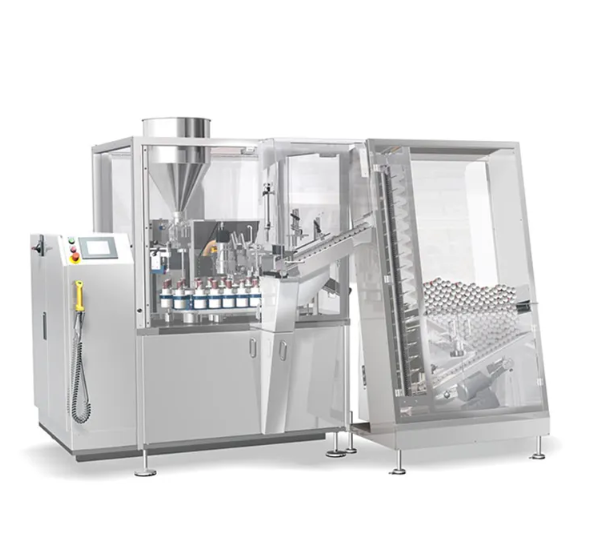
Optimize Tube Filling Machine Parameters for Speed, Accuracy, and Consistency
Tuning speed, pressure, dwell time, and fill volume based on product viscosity and tube geometry
Getting the right settings for operations depends on what kind of viscosity we're dealing with. For really thick stuff over 50,000 cP, things get tricky. The pistons have to move slower and apply more pressure just to keep everything flowing properly. If they go too fast, air gets trapped inside and the fills end up all over the place. On the flip side, thin liquids below 1,000 cP can handle much quicker cycles. But there's still work to do here too. Need to watch how quickly things accelerate and make sure the nozzle is positioned just right so nothing splashes around or creates foam. When working with collapsible tubes specifically, expect to wait about 15 to 30 percent longer than with regular rigid tubes. This extra time ensures all the material actually makes it through without leaving anything behind. Getting these factors straight speed, pressure, how long things sit, and total volume works best when matched up with the actual properties of the material and the specific tube being used. Doing this right cuts down on wasted product and keeps fill levels within about plus or minus 0.7% from batch to batch.
Calibration protocols for tube filling machine accuracy
Robust calibration integrates three complementary methods:
- Sensor alignment: Laser-guided positioning ensures nozzle-to-tube registration within ±0.5 mm
- Weight verification: Automated checkweighers sample 10% of output using statistical process control (SPC) to validate fill weight against target
- Feedback integration: Closed-loop systems adjust piston stroke in real time based on in-line weight or pressure feedback, compensating for viscosity drift during extended runs
Automated calibration achieves 99.5–99.8% fill accuracy—significantly outperforming manual methods (85–90%), per industry benchmarks from Source Data 2024.
The speed-accuracy trade-off
When companies want to go faster, they need actual proof it works right instead of just hoping for the best. Take this cosmetics maker who bumped up their piston cycles by 12% to get more product out the door. Big mistake though – they didn't check if everything still worked properly. Fill weights started bouncing around by almost 20% which meant throwing away good stuff worth about $18k every month. Once they went back and adjusted things like how long parts stayed in position, how pressure built up, and when sensors shut off the filling process, they managed to keep production up 9% higher than before while keeping fill amounts within a tight 0.7% range either way. The lesson here is pretty simple really: making things run faster doesn't automatically mean better results unless everyone involved takes care to tweak all the little details together.
Apply Predictive Maintenance to Maximize Tube Filling Machine Uptime
Vibration, temperature, and pressure sensor integration for early detection of pump, nozzle, or drive-system degradation
Using multiple sensors together makes it possible to check on the health of important parts before problems happen. For instance, vibration sensors can spot when bearings in pumps start wearing out as much as five cycles ahead of actual failure. Thermal sensors pick up unusual resistance in motor windings that might signal insulation issues. Pressure sensors catch changes that indicate clogged nozzles or leaking seals right away. Combine all these sensor readings with machine learning algorithms built from past equipment failures, and maintenance staff get warnings ranked by urgency. This lets them fix things during scheduled maintenance instead of emergency situations. Plants that have implemented this system see around 60 fewer percent of unexpected repairs and their equipment lasts about 35 percent longer between breakdowns for parts that normally wear out fast.
Correlating maintenance logs with OEE dips to identify root causes (e.g., pump wear – ±2.3% fill variance)
When we connect maintenance logs to those OEE charts, hidden problems start showing up. Take those regular dips in performance numbers - they usually point to worn out pump seals. Real world data backs this up: when rotors get damaged, fill rates swing around about 2.3% either way, and factories end up tossing out over 300 bad products every week. Factories that track when parts need servicing against those key points where OEE changes direction are moving away from fixed schedule replacements to ones based on actual conditions. Plants running these systems have seen their overall output go up roughly 9% each year during trials. Fewer unexpected shutdowns happen too, which keeps product quality stable throughout different shifts despite whatever goes on in the background.
Enable Seamless Line Integration and Operator Proficiency for Sustained Efficiency
PLC/HMI-Driven Synchronization of Tube Loading, Filling, Sealing, and Coding to Eliminate Bottlenecks and Manual Handoffs
Today's PLC systems combined with HMI interfaces bring together all aspects of production including tube loading, filling processes, sealing mechanisms, and product coding into one streamlined operation. With sensors constantly tracking positions and adjusting speeds automatically, there's no waiting around for workers to manually transfer materials between stations. This has cut down on line stoppages by almost a third in facilities running at full capacity. The system smartly modifies fill times whenever tubes aren't positioned correctly, stops sealing attempts that would create misalignment through both torque checks and visual confirmation, and sends instant warnings to operators when something goes outside acceptable ranges during sealing. All these coordinated functions mean faster production rates while cutting down on machine jams, rejected products, and the need for constant human oversight.
Standardized Operator Training Modules Focused on Changeover, Fault Diagnosis, and Parameter Adjustment for Tube Filling Machines
Getting good results really depends on regular training that builds actual skills. The standard program covers three main areas: getting complete changeovers done within 15 minutes flat, figuring out what's wrong through those HMI error logs and looking at the OEE dashboard numbers, plus making adjustments like changing piston stroke or dwell time when they see changes in how viscous the material is. People in training spend time learning to spot those fill pattern variations we see all the time, like when there's about a 1.8% shift that usually means the nozzles are wearing down. They also run simulations where seals fail so they can react fast without thinking twice. These methods have actually reduced setup mistakes by around 44 percent and cut down on troubleshooting delays by roughly 31%. We make sure everyone gets certified again each year because machines keep changing and improving, so skills need to stay fresh too.
Select the Right Tube Filling Machine Architecture for Your Product and Volume Needs
Matching piston, peristaltic, and auger mechanisms to rheology (paste, gel, low-viscosity liquid) and batch size requirements
Getting machine architecture right means matching it to what the product actually needs plus how much we're producing at once. Piston fillers work great when dealing with those thick pastes and gels during medium sized batches. They let manufacturers switch between different products quickly without too much downtime. Peristaltic systems are the go-to choice for things like sensitive pharmaceutical gels where purity matters most. These systems keep the product away from any moving parts, so there's less chance of contamination issues down the line. Auger fillers handle powders, granules, and large volumes of liquid pretty well, but they struggle with runny stuff that just keeps dripping out. When machines aren't properly matched to materials, problems happen fast. Thick creams clog up peristaltic tubes all the time, and water-thin liquids tend to escape from auger hopper areas. Companies that pick the correct filling method from day one typically save around a quarter of their changeover time, avoid those frustrating viscosity problems, and build a foundation for scaling operations as demand grows.
Table of Contents
- Optimize Tube Filling Machine Parameters for Speed, Accuracy, and Consistency
- Apply Predictive Maintenance to Maximize Tube Filling Machine Uptime
- Enable Seamless Line Integration and Operator Proficiency for Sustained Efficiency
- Select the Right Tube Filling Machine Architecture for Your Product and Volume Needs