 EN

The Hygiene Challenge in Liquid Processing Environments
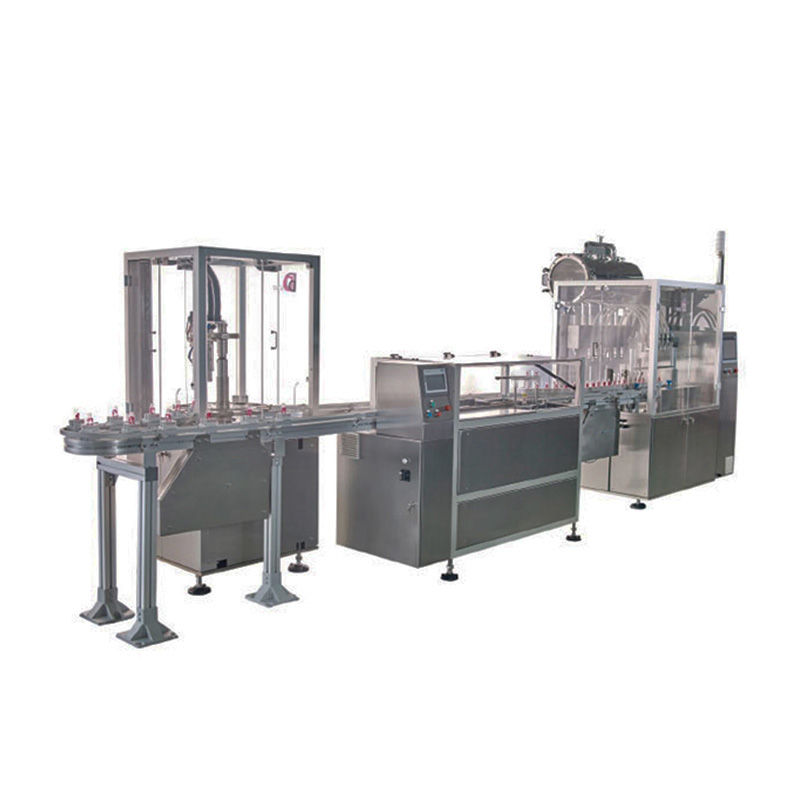
For plant managers and production engineers operating within food, beverage, pharmaceutical, and cosmetic facilities, sanitation is never just a routine checklist item or a casual afterthought—it serves as the ultimate operational baseline. Walking through active liquid processing plants, one quickly realizes that the impressive speed of a high-output production line means very little if product changeovers, sticky ingredient residues, or daily washdown cycles lead to hours of stubborn downtime and looming contamination risks. A frequently asked question by procurement teams evaluating new packaging infrastructure is whether a fully automatic liquid filling machine is actually easy to clean and maintain on a regular basis. The answer relies heavily on how the equipment was engineered from its initial conceptualization. Modern liquid filling systems must successfully balance high-speed volumetric precision with stringent sanitary design principles to ensure that cleaning protocols remain efficient, highly repeatable, and fully compliant with global health and safety regulations.
Hygienic Engineering and Clean-in-Place Integration
Achieving effortless cleanability in a fully automatic liquid filling machine begins with advanced sanitary architecture, specifically the seamless integration of clean-in-place and sterilization-in-place capabilities. According to design guidelines established by prominent international hygienic engineering organizations, sanitary industrial equipment must actively prevent fluid stagnation and completely eliminate microscopic crevices where bacteria can colonize during long production runs. Modern automated fillers utilize automated clean-in-place cycles that circulate heated cleaning agents, powerful sanitizers, and high-purity rinse water through the entire fluid path—including fluid manifolds, directional valves, and metering cylinders—without requiring full physical disassembly by maintenance crews. Programmable logic controllers carefully manage precise fluid velocities, elevated temperatures, and specific chemical concentrations, ensuring that internal product-contact surfaces achieve total microbiological cleanliness automatically between batch runs.
Material Science and Surface Finish Specifications
The deliberate choice of materials and specialized surface treatments plays a pivotal role in determining how easily a liquid filling system can be thoroughly sanitized and maintained over time. Premium manufacturing standards dictate the exclusive use of high-grade stainless steel, predominantly the robust 316L alloy, for all product-contact surfaces due to its superior corrosion resistance against aggressive chemical washdowns and highly acidic or alkaline product formulations. Furthermore, internal surface roughness values are meticulously polished down to micro-inch thresholds, creating an ultra-smooth finish that actively prevents product adhesion, scaling, and stubborn biofilm formation. When combined with chemically inert elastomeric seals and gaskets that comply fully with international food-contact standards, the machinery successfully resists chemical degradation and maintains a pristine barrier against microbial proliferation.
Tool-Less Disassembly and Rapid Changeover Architecture
While automated cleaning handles routine daily sanitation, certain specialized processing applications—such as frequent flavor switching, viscous product shifts, or heavy particulate suspensions—require physical inspection and hands-on manual cleaning of contact components. Traditional machinery often demands cumbersome tool sets and hours of intensive labor to tear down complex fluid pathways. In stark contrast, advanced fully automatic liquid filling machines incorporate quick-release sanitary connections, slide-out nozzle manifolds, and tool-less volumetric pistons. This modular engineering architecture allows plant maintenance crews to disassemble, clean, and reassemble critical fluid-handling components in a fraction of the usual timeframe, drastically shrinking facility changeover windows and maximizing daily plant productivity without sacrificing safety standards.
Economic Impact and Regulatory Compliance
Evaluating the cleanability of a filling machine extends far beyond mere physical convenience in the factory; it carries profound economic and compliance implications for the entire enterprise. Extended cleaning cycles directly eat into profitable production time, while inadequate sanitation risks massive product recalls and severe regulatory penalties from governing bodies. Investing in an easily maintainable, clean-in-place compatible automated filling system significantly reduces water consumption, chemical usage, and labor hours associated with routine sanitation tasks. Industry benchmark studies indicate that streamlined cleaning protocols can decrease total daily downtime by a substantial margin, translating to a rapid return on investment and enhanced manufacturing agility for competitive processing plants striving for continuous operational excellence.
Engineering Excellence and Sanitary Manufacturing Partnerships
Navigating the stringent hygiene demands of high-speed liquid processing requires a manufacturing partner who combines advanced sanitary engineering with uncompromising production standards. Discus leverages decades of precision manufacturing expertise and strict quality protocols to deliver fully automatic liquid filling machines engineered for effortless cleaning, rapid changeovers, and absolute regulatory compliance. Whether outfitting a sterile pharmaceutical cleanroom or a high-volume beverage bottling facility, Discus provides the robust hardware, sanitary innovation, and resilient supply chain support necessary to protect product integrity and drive long-term operational success.
Table of Contents
- The Hygiene Challenge in Liquid Processing Environments
- Hygienic Engineering and Clean-in-Place Integration
- Material Science and Surface Finish Specifications
- Tool-Less Disassembly and Rapid Changeover Architecture
- Economic Impact and Regulatory Compliance
- Engineering Excellence and Sanitary Manufacturing Partnerships