 EN

The True Cost of Industrial Downtime
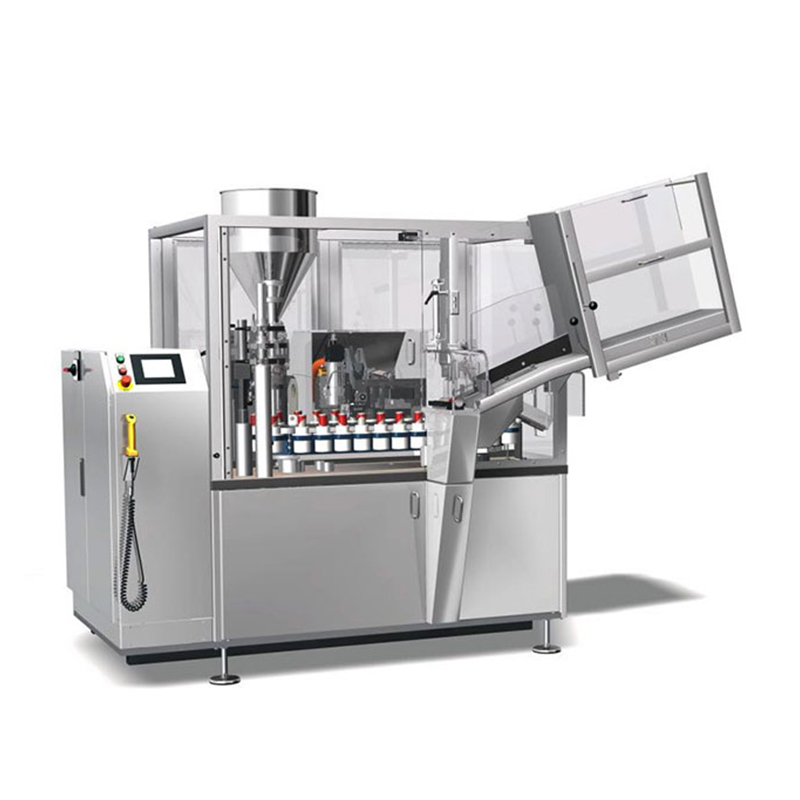
When industrial manufacturing facilities invest in high-output packaging infrastructure, procurement focus is frequently locked onto initial acquisition costs, throughput speeds, and footprint specifications. However, walking through active processing plants reveals a sobering reality: even the most robustly engineered liquid or powder packaging equipment will eventually encounter operational friction and mechanical wear. A common question among plant managers and engineers evaluating potential partners is whether a reliable filling machine supplier can provide comprehensive, long-term after-sales service. The answer extends far beyond basic warranty claims or routine troubleshooting. Exceptional post-purchase support acts as the operational safety net that separates short-term equipment vendors from true, dependable manufacturing partners, protecting tight production schedules, safeguarding brand reputation, and preserving long-term capital investments.
Advanced Remote Diagnostics and Telemetry Support
Modern industrial support has evolved well beyond traditional telephone helplines and delayed technician dispatches that leave production lines stranded for days. Leading industrial suppliers now integrate industrial internet of things connectivity and advanced remote telemetry directly into their machinery architectures. According to industrial maintenance research published by leading manufacturing institutes, remote diagnostic systems can successfully resolve many software anomalies and minor electrical glitches without requiring a costly on-site visit. When an unexpected fault occurs on a high-speed production line, support engineers can securely access programmable logic controller logs in real time, analyze sensor feedback instantly, and push software patches or parameter adjustments directly to the machine, drastically cutting down mean time to repair and minimizing financial losses.
Spare Parts Availability and Supply Chain Resilience
Equipment reliability is heavily dependent on the physical availability of replacement components when wear and tear inevitably take their toll on high-stress moving parts. A premier filling machine supplier maintains a robust, globally optimized supply chain network designed to eliminate prolonged lead times for critical wear components, such as pneumatic seals, nozzle assemblies, and precision metering valves. Procurement teams must scrutinize vendor inventory management capabilities and regional warehousing footprint before finalizing contracts. Suppliers who rely on fragmented, brittle supply chains often leave clients stranded during unexpected mechanical breakdowns. Conversely, trusted manufacturers utilize automated stock-level monitoring and strategic dispatch centers to ensure that essential replacement components arrive on site within guaranteed timeframes, effectively mitigating costly factory stoppages.
Proactive Maintenance and Workforce Upskilling
Relying solely on reactive maintenance—fixing equipment only after it breaks down—is an expensive operational liability that drains factory profitability. Comprehensive after-sales service programs emphasize proactive maintenance frameworks, including scheduled seasonal check-ups, vibration analysis, and thermal imaging to detect component fatigue before catastrophic failure occurs. Furthermore, top-tier suppliers recognize that machine longevity depends heavily on the competency and confidence of the operating crew. Providing thorough, hands-on operator training during the initial commissioning phase ensures that plant personnel understand proper cleaning routines, calibration procedures, and minor troubleshooting techniques, significantly reducing operator-induced errors and extending the overall operational lifecycle of the machinery.
Decoding Service Level Agreements and Contractual Transparency
Evaluating a supplier commitment requires looking closely at their service level agreements and contractual terms. Transparent suppliers do not hide behind vague warranty language or restrictive clauses; instead, they offer clearly defined response-time guarantees, tiered support packages, and crystal-clear terms regarding technician availability. When reviewing prospective partnerships, plant engineering teams should verify whether the supplier provides dedicated multilingual support, local field service engineers, and transparent pricing structures for out-of-warranty repairs. Trustworthiness in manufacturing is built upon accountability, ensuring that service commitments made during the sales negotiation phase are rigidly upheld throughout the entire operational lifespan of the equipment.
The Discus After-Sales Commitment and Manufacturing Excellence
Navigating the complexities of high-speed liquid or powder processing demands a manufacturing partner who stands firmly behind their machinery long after the installation phase concludes. Discus combines decades of precision manufacturing excellence with a globally responsive service network, ensuring that every filling machine is backed by rigorous quality protocols and reliable technical support. Whether deploying custom packaging lines or requiring rapid spare parts dispatch, Discus delivers the comprehensive engineering expertise, resilient supply chain infrastructure, and dedicated after-sales care necessary to keep production lines running at peak performance.
Table of Contents
- The True Cost of Industrial Downtime
- Advanced Remote Diagnostics and Telemetry Support
- Spare Parts Availability and Supply Chain Resilience
- Proactive Maintenance and Workforce Upskilling
- Decoding Service Level Agreements and Contractual Transparency
- The Discus After-Sales Commitment and Manufacturing Excellence