 EN

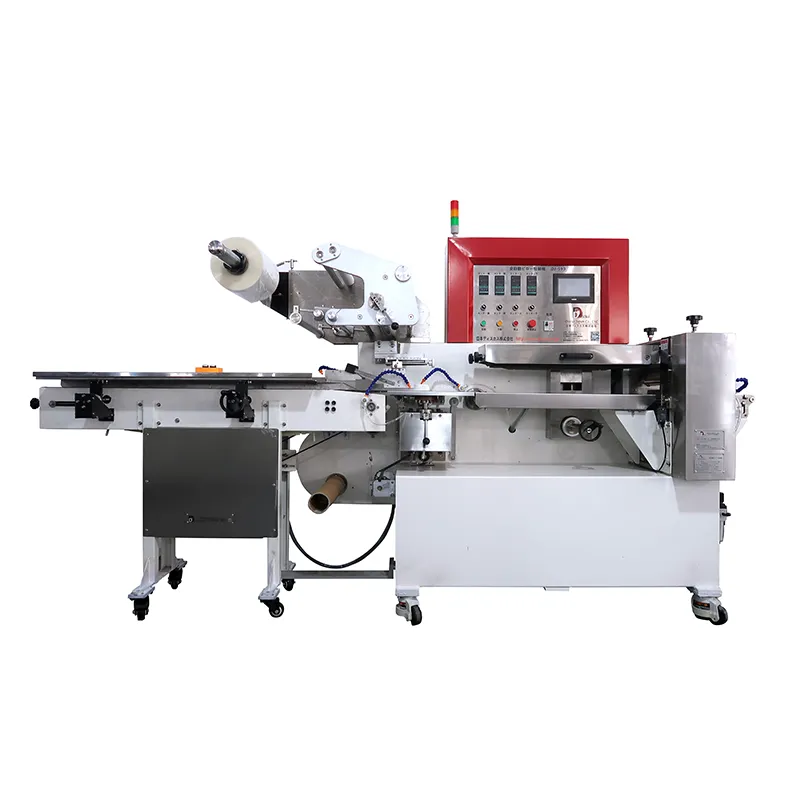
Decoding Plant Acoustics and Operational Realities
When plant managers and packaging engineers walk through a bustling production floor, conversations usually revolve around film wastage, sealing integrity, and maximum output speeds. Yet, one critical environmental factor often slips past the initial evaluation checklist: acoustic performance. Running high-speed automated packaging lines involves continuous mechanical motion, high-frequency thermal sealing jaws, and rapid film-feeding systems that generate ambient sound. Based on years of hands-on factory commissioning and ergonomic workplace assessments, keeping an eye on operational noise levels goes far beyond mere regulatory compliance. It directly impacts operator fatigue, shift productivity, and long-term workforce well-being. Understanding how sound behaves in a packaging environment helps facility planners design better workstation layouts and implement proactive acoustic management strategies from day one.
Understanding Typical Decibel Ranges on the Factory Floor
What does a modern high-speed horizontal flow wrapper actually sound like during a normal production shift? Under typical operational conditions, a standard commercial packaging setup generally generates sound levels within a moderate acoustic band, often hovering around standard industrial ambient ranges. To put this into perspective, lower-end baseline hums resemble a typical quiet office or a running household appliance, while busier machinery approaches thresholds where prolonged daily exposure encourages the use of standard ear protection under international workplace safety guidelines. Importantly, sound output is rarely static. Decibel readings fluctuate depending on whether the machine is idling, pulling film at top speeds, or engaging the heavy reciprocating end-sealing knives. Recognizing these natural operational peaks and valleys allows safety officers to set up safe perimeter distances and safeguard operator comfort over years of continuous shift work.
Pinpointing the Mechanical Drivers of Packaging Noise
To effectively quiet down a noisy packaging line, engineers must look beneath the sheet metal and analyze the exact mechanical components generating the sound waves. In typical automated packaging equipment, the primary culprits include reciprocating pneumatic cylinders, metal-on-metal friction from guide rails, rapid cam movements, and high-velocity motor gearboxes. Industrial manufacturing studies frequently highlight that rapid cyclic impacts and vibrating structural frames are responsible for high-frequency whines and dull thuds. Upgrading from old mechanical linkages to modern servo-driven motors, precision-ground helical gears, and vibration-dampening rubber mounting feet can radically alter the acoustic footprint. These engineering refinements transform a loud, jarring workspace into a much smoother, controlled environment.
The Wider Ergonomic and Economic Impact of Sound Control
Excessive workplace noise is much more than a minor annoyance; it carries heavy economic and operational consequences for factory owners. Constant high decibel levels cause mental fatigue, lower worker concentration, increase error rates during quality inspections, and can eventually lead to compliance headaches. Conversely, investing in a quieter, human-centric production line unlocks tangible business benefits. When packaging machinery runs smoothly and quietly, operators experience reduced stress, communication across the shop floor becomes effortless, and overall shift efficiency rises naturally. Prioritizing low-noise engineering demonstrates a commitment to both advanced mechanical design and the everyday comfort of the people running the equipment.
Proactive Strategies for a Quieter Packaging Environment
Achieving and maintaining a quiet packaging room requires a proactive, multi-layered engineering mindset rather than a band-aid fix after installation. Plant supervisors can deploy several proven tactics, such as fitting sound-absorbing acoustic enclosures around high-speed sealing heads, applying high-density vibration pads underneath heavy machine bases, and sticking to a strict lubrication schedule to eliminate dry friction on moving parts. Furthermore, sourcing equipment manufactured with tight mechanical tolerances and advanced motion-control software naturally suppresses unwanted noise right at the source. Routine preventive maintenance ensures that belts, bearings, and cutting blades remain perfectly balanced, keeping sound levels comfortably low over a long operational lifespan.
Elevating Packaging Standards Through Discus Engineering
Achieving the ideal balance between raw automation speed, long-term durability, and operator comfort requires partnering with a manufacturer that values precision engineering above all else. Discus stands out as an industry-leading innovator in modern packaging solutions, recognized worldwide for designing and building sophisticated machinery tailored to rigorous international standards. Backed by decades of manufacturing expertise, strict internal quality control protocols, and an unwavering commitment to human-centric design, Discus ensures that every fully automatic pillow packaging machine delivers exceptional sealing performance, structural strength, and optimized acoustic operation. Partnering with Discus empowers global brands to upgrade their packaging lines with cutting-edge technology built for enduring success.
Table of Contents
- Decoding Plant Acoustics and Operational Realities
- Understanding Typical Decibel Ranges on the Factory Floor
- Pinpointing the Mechanical Drivers of Packaging Noise
- The Wider Ergonomic and Economic Impact of Sound Control
- Proactive Strategies for a Quieter Packaging Environment
- Elevating Packaging Standards Through Discus Engineering