 EN
EN

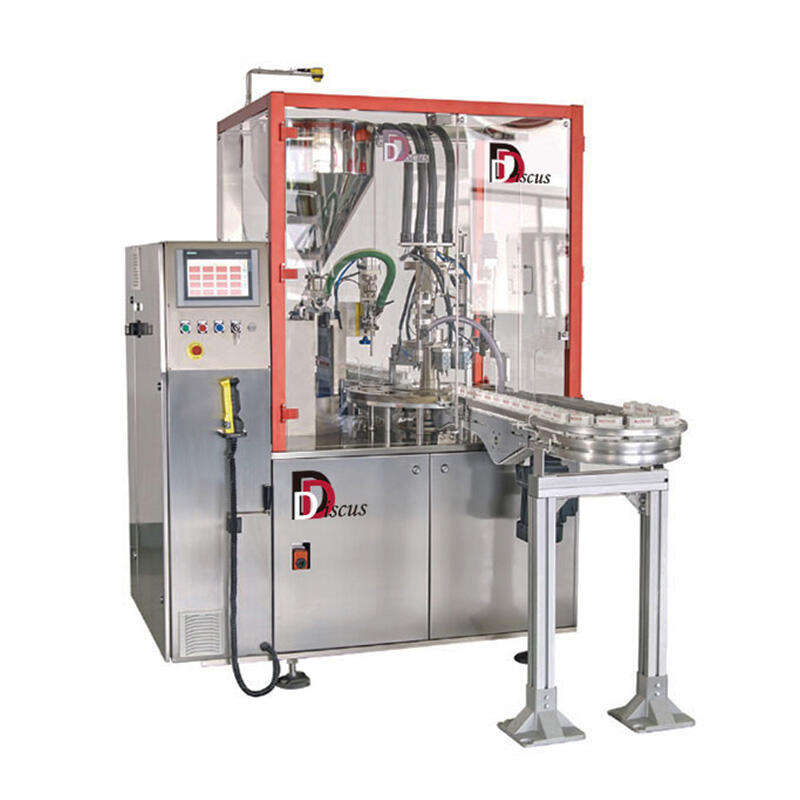
Optimize Drive Systems for High-Speed Liquid Filling Machines
Servo Motors vs. Pneumatic Drives: Energy Efficiency Comparison
Servo motors are much better at saving energy in those fast moving liquid filling machines compared to old school pneumatic drives. They actually use around 30 to 50 percent less power when running non stop. Regular compressed air systems waste a ton of energy because of all those little leaks, pressure losses, and heat escaping everywhere. Servo motors on the other hand give really good control over movement and have this neat feature called regenerative braking that grabs back some of the energy when things slow down. Plants that switched over to these servo driven setups saw their yearly energy bills drop by about $740,000 according to some industry data from last year. Pretty impressive considering they still managed to keep up with processing 36 thousand bottles every hour.
| Drive System | Avg. Energy Consumption | Operational Cost (5yr) | Maintenance Frequency |
|---|---|---|---|
| Servo Motors | 0.8–1.2 kW/station | $42k | 2x/year |
| Pneumatic Drives | 1.5–2.5 kW/station | $68k | 4x/year |
Variable Frequency Drives (VFDs) for Load-Adaptive Speed Control
Variable Frequency Drives or VFDs allow motors to adjust their speed in real time based on what the production line actually needs, instead of wasting energy when running at full blast all the time no matter how many containers are moving through. When there's not much going on during product switches or when things pile up in buffers, these drives slow down the revolutions per minute but keep enough power to maintain proper operation. The US Department of Energy reports that this approach can cut unnecessary energy use by around 60 percent in some cases. That kind of efficiency makes a big difference over time for manufacturing operations looking to save money and reduce their environmental impact.
Implement Intelligent Control and Real-Time Energy Monitoring
Sensor-Guided Adaptive Operation in High-Speed Liquid Filling Machines
Sensor networks that include things like flow meters, pressure sensors, and vision systems allow for real time changes throughout the filling process. The system keeps track of factors such as liquid thickness, where containers are placed, and pressure levels along the line. Based on what it finds, the equipment adjusts pump speed and how hard actuators push or pull. For example, when dealing with light weight containers or runny substances, the motors simply need less power. This approach stops the system from drawing too much electricity at once and cuts down overall energy consumption somewhere between 15% to 22%. Most importantly, production rates stay the same despite these savings, according to tests done in factory settings.
Energy Monitoring Dashboards and Closed-Loop Optimization
Energy dashboards powered by IoT technology take raw sensor information and turn it into something people can actually use visually. They show exactly where energy is going at different stages of production, catch strange patterns like when compressors suddenly draw extra power while sitting idle, and link electricity usage directly to overall equipment effectiveness numbers. When things get interesting, the system starts making smart moves on its own. It might wait until off-peak hours before running less important jobs, switch machines to sleep mode if nothing happens for almost a minute and a half, or tweak temperature settings based on what usually works best from past experience. Over months and years, machine learning keeps getting better at all this stuff, creating a kind of automatic improvement cycle that keeps saving money even when nobody touches the controls.
Eliminate Waste During Non-Production Phases
High-speed liquid filling machines often draw substantial energy during idle periods, changeovers, and maintenance—contributing significantly to overall operational cost. Scheduled power-down protocols—such as automatically shifting motors and conveyors to low-power standby during breaks—reduce phantom loads by up to 15%, per industrial energy audits.
The impact of better changeover methods cannot be overstated. Things like having standard tools ready, using those fast connect parts, and getting machines to shut down automatically when they sit idle for too long all help cut down on yearly energy costs around 12 percent. Combine this with regular checks for air leaks in compressed systems—which is where most wasted energy hides during downtime—and manufacturers see their energy efficiency stay steady no matter if equipment runs flat out or just waits for the next batch to start. This kind of approach makes sense both from an operational standpoint and financially speaking over time.
Select and Maintain Energy-Efficient Components
High-Efficiency Rotary Pumps and Low-Friction Fluid Path Design
The newer generation of rotary pumps cuts down on wasted energy and keeps things cooler while running, typically using around 25-30% less power compared to older models. These pumps work best when paired with specially designed fluid paths inside them. The manufacturers polish those inner walls smooth, shape everything to let liquid move freely, and eliminate unnecessary turns wherever possible. As a result, there's noticeably less drag in the system, somewhere between 15% and maybe 20% improvement in most cases. What this means in practice is that operators can maintain consistent flow rates without fluctuations, even when processing over 300 bottles per minute at full speed. And because of all these efficiencies, the whole filling operation just doesn't draw as much electricity from the grid anymore.
Preventive Maintenance Protocols to Sustain Energy Performance
Keeping equipment running smoothly through regular maintenance helps maintain energy efficiency over time instead of letting performance drop due to parts wearing out or getting misaligned. Just doing things like replacing seals every three months and recalibrating pumps can stop around 12 to 15 percent efficiency loss that happens when there's leakage or components start drifting out of spec. Monitoring motor currents and vibration while operations are happening lets technicians catch problems before they become big issues. This approach cuts down on surprise breakdowns by roughly 40% and makes those expensive energy saving investments last longer. The Ponemon Institute looked into this back in 2023 and found that businesses with proper maintenance schedules actually save about 18% on unnecessary energy costs compared to those who don't follow such routines.
FAQ
What are the advantages of using servo motors in high-speed liquid filling machines?
Servo motors are more energy-efficient than pneumatic drives, offering around 30 to 50 percent less power usage. They provide excellent movement control and include regenerative braking, reducing energy consumption further.
How do Variable Frequency Drives help in saving energy?
Variable Frequency Drives adjust motor speeds in real-time based on production needs, reducing excess energy usage by up to 60% during low-demand periods.
How do sensor-guided systems improve energy efficiency?
Sensor networks allow for real-time adjustments to the filling process based on various factors, reducing energy consumption by 15% to 22% without impacting production rates.
Why is preventive maintenance important for maintaining energy efficiency?
Preventive maintenance keeps machinery running efficiently by preventing performance drops due to worn-out parts. It helps avoid energy loss and extends the lifespan of energy-saving investments.