 EN
EN

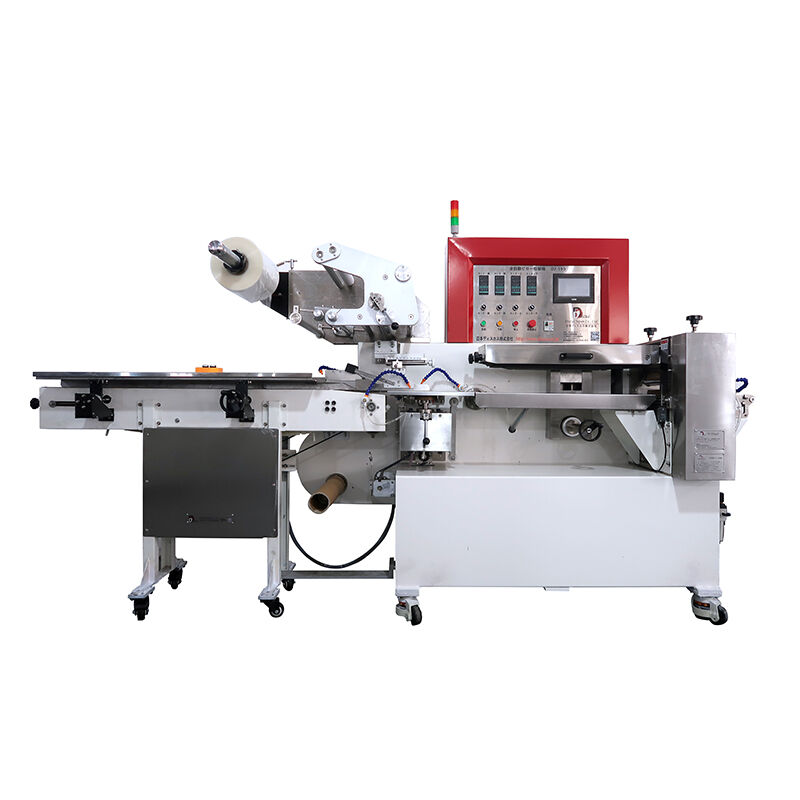
Recognize Early Signs of Shrink Packaging Machine Overheating
Detecting thermal stress early is critical for preventing irreversible damage to your shrink packaging machine and maintaining product integrity. Industry data shows overheating accounts for 38% of film defects in packaging lines (2024 Packaging Efficiency Report), making timely identification essential.
Visible thermal damage: burn holes, smoking film, and polymer residue
Look for physical evidence like:
- Burn holes or charring on shrink film
- Visible smoke emissions during operation
- Melted polymer residue accumulating on seals or conveyors
These symptoms indicate excessive surface temperatures that warp film integrity and signal immediate intervention is needed.
Process inconsistencies: deformed products and uneven shrink results
While thermal damage is overt, operational irregularities often precede catastrophic failure. Watch for:
- Distorted product shapes from prolonged heat exposure
- Inconsistent tension across packaging surfaces
- Variable seal tightness despite unchanged settings
Such deviations suggest unstable heating zones compromising dimensional stability—and often appear before visible damage occurs.
Optimize Shrink Tunnel Operation for Thermal Efficiency
Align conveyor speed and dwell time with film specifications
Getting the conveyor speed right along with dwell time is essential for keeping things from getting too hot. The actual thickness and makeup of the film play a big role here too. Thin films need quicker movement across the line and less time sitting there otherwise they'll burn right up. When these settings aren't aligned properly, what happens? Well, either parts don't shrink evenly or worse still, they overheat because stuff stays in the heat zone longer than it should. Operators need to keep an eye on those shrinkage numbers constantly. Adjustments have to happen on the fly during production runs, especially when volumes are high. Experience shows that even small changes can make all the difference between good product and waste material.
Leverage zoned heating and calibrated temperature control
Multi zone tunnels make it possible to apply different levels of heat to various parts of products. For instance, sensitive areas can get gentle warmth while denser spots receive more intense heating. The dual zone setup helps avoid damaging materials by controlling when heat is applied. First the base of labels gets warmed up properly, then the main graphics area follows. Keeping thermostats calibrated regularly stops them from drifting out of spec over time. Upgrading insulation also makes a big difference, cutting down wasted energy by around 15-20 percent because better insulation means the system maintains stable temperatures without working as hard.
Perform Targeted Preventive Maintenance on Critical Thermal Components
Clean heating elements, exhaust vents, and film guides to prevent insulating buildup
When residue builds up on heating elements, exhaust vents, and those film guide areas, it basically creates a layer of insulation that makes machines struggle extra hard. What happens next? The heat gets trapped inside, efficiency drops off, and parts start wearing out faster than they should. To keep things running smoothly, maintenance staff need to clean these spots regularly with products approved by the manufacturer. Focus particularly on removing those stubborn polymer deposits from contact points where film tends to stick during long production runs. A quick daily wipe down can make all the difference in extending equipment life and maintaining optimal performance levels.
Inspect and maintain cooling fans, airflow paths, and heat dissipation systems
According to the Operational Reliability Study from 2023, about one third of all thermal failures in industrial equipment come down to neglected cooling systems. Monthly checks on fan operation are essential, making sure dust doesn't build up on blades or clog vents that restrict proper airflow. Don't forget to inspect heat sinks and those dissipation channels too, since even partial blockages can cut cooling efficiency nearly in half. And when bearings start showing wear signs in cooling fans, they need replacing right away before things go south during long production runs. A little maintenance goes a long way toward preventing expensive breakdowns later on.
Verify and Calibrate Temperature Control Systems Regularly
Precise thermal management is foundational to preventing overheating in shrink packaging machines. Industry benchmarks indicate a temperature deviation exceeding 3°C significantly elevates failure risks. Implement these critical protocols:
- Bi-weekly system verification: Compare machine sensors against certified reference thermometers to detect calibration drift early.
- Immediate recalibration: If readings exceed ±3°C tolerance, adjust control parameters per manufacturer specifications.
- Documented validation: Maintain calibration logs tracking date, adjustments, and post-calibration performance metrics.
Neglecting this regimen allows sensor degradation, causing erratic heating cycles that strain components. Consistent calibration prevents machine overheating, reduces energy waste by up to 15%, and safeguards product quality.
FAQ
What are the early signs of shrink packaging machine overheating?
Early signs include burn holes or charring on shrink film, visible smoke emissions, melted polymer residue on seals or conveyors, distorted product shapes, inconsistent packaging tension, and variable seal tightness.
How can conveyor speed and dwell time affect shrink film?
Improper alignment of conveyor speed and dwell time with the film specifications can lead to overheating or uneven shrinkage, as thin films may burn if exposed too long to heat.
Why is regular calibration of temperature control systems important?
Regular calibration ensures precise thermal management, prevents overheating, reduces energy waste, and maintains product quality by avoiding sensor degradation and erratic heating cycles.
What maintenance is essential for preventing heat-related failures?
Cleaning heating elements, exhaust vents, film guides, and inspecting cooling fans, airflow paths, and heat dissipation systems are crucial to maintain efficiency and prevent thermal failures.