 EN
EN

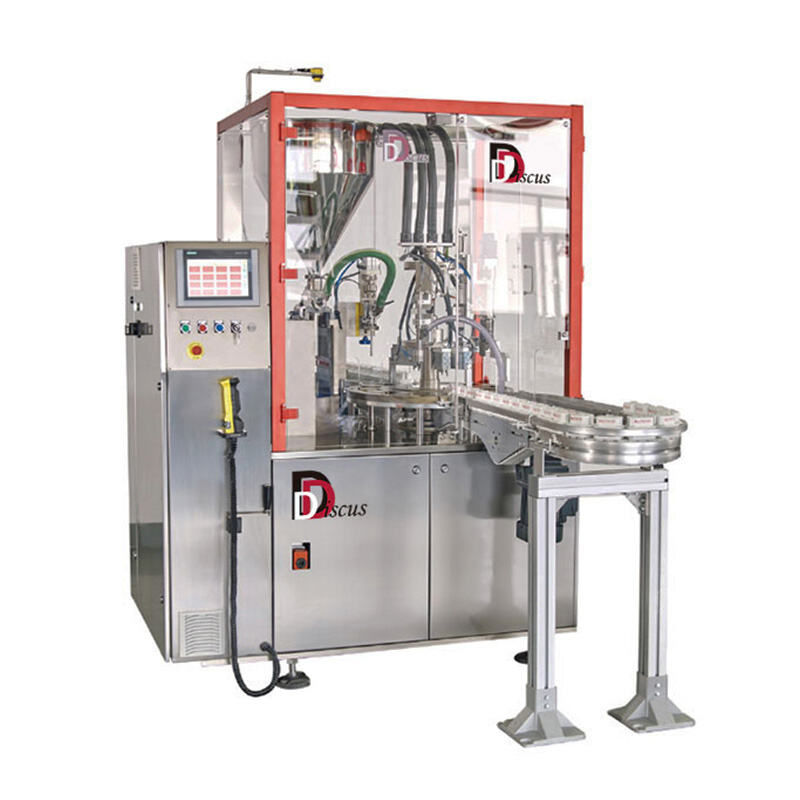
Evaluate On-Site Manufacturing Infrastructure
Factory Floor Space, Automation Level, and Assembly Line Throughput
When evaluating a filling machine supplier, inspect their physical manufacturing capabilities. Total floor space is a strong indicator of volume capacity—facilities under 10,000 sq ft often lack the flexibility for large-scale or diversified production runs. Automation level directly influences consistency: suppliers using robotic welding arms and CNC-controlled machining reduce human error by 30–40% compared to manual processes. Assess assembly line throughput using units/hour and changeover time—top performers sustain 95% Overall Equipment Effectiveness (OEE). Watch for bottleneck indicators like excessive work-in-progress inventory or recurring line stoppages, which point to suboptimal layout. Modern plants increasingly adopt cellular manufacturing designs, accelerating material flow by up to 20% over traditional linear systems.
Certifications and Compliance: ISO 9001, CE, and In-House Quality Control Labs
Certifications validate operational discipline—not just marketing claims. ISO 9001 certification is the essential baseline, confirming documented, audited process controls; non-certified suppliers show 47% higher defect rates in final machine assemblies. CE marking remains mandatory for European market access, verifying compliance with electrical safety and electromagnetic compatibility (EMC) standards. Equally critical is the presence of an in-house quality lab capable of real-time material hardness testing and pressure calibration—suppliers outsourcing metallurgical analysis face a 34% higher risk of undetected component failure. Confirm that torque testers and vision inspection systems undergo monthly calibration logging to ensure measurement integrity and traceability.
Measure Output Velocity and Scalability
Monthly Unit Output, Lead Time Consistency, and Rush-Order Response Rate
Evaluate throughput efficiency through three interlinked metrics: monthly unit output, lead time consistency, and responsiveness to urgent orders. Industry benchmarks require lead time variability below 5% across order types—exceeding this signals underlying scheduling or resource allocation weaknesses. Top-tier manufacturers can accelerate up to 20% of monthly output for rush requests without compromising quality or validation integrity. Track month-over-month output growth to gauge scalability; vendors sustaining 15% quarterly increases typically deploy automated production scheduling and dynamic resource allocation. For pharmaceutical applications, verify consistent six-figure monthly outputs under ISO 13485—a standard demanding rigorous process control and documentation.
Scalability Signals: Modular Production Cells vs. Linear Batch Assembly
Production architecture determines how quickly and cleanly a supplier can scale. Modular cell designs decouple functions—filling, capping, labeling—enabling independent expansion and reducing capacity-upgrade lead times by 30–50% versus fixed linear batch lines. This modularity supports single-line throughput boosts exceeding 40% during peak seasons without full-line retooling. In contrast, linear systems demand complete shutdowns for upgrades, creating costly delays—especially when adapting to custom container formats. Standardized work cells also deliver faster changeovers: modular suppliers achieve format adjustments in under 15 minutes, while batch systems average 2–4 hours. For high-SKU packaging operations, prioritize vendors with cellular layouts that support parallel sub-assembly processing and rapid reconfiguration.
Validate Real-Time Capacity with Backlog and Reference Data
Backlog-to-Output Ratio Benchmarking Against Industry Standards
The backlog-to-output ratio is a real-time health check on a supplier’s current capacity utilization. A ratio above 1.8 signals elevated delivery risk, while top performers maintain ratios under 1.2—correlating with $740k in avoided delayed-production costs annually (Ponemon Institute, 2023). Use this simplified benchmark:
| Metric | Low-Risk Range | High-Risk Threshold |
|---|---|---|
| Order backlog | <1.5x output | ≥2x output |
| Peak-season compliance | 98% adherence | <90% adherence |
Request quarterly backlog reports and cross-reference them against sector medians published by the Packaging Machinery Manufacturers Institute (PMMI) or similar trade associations. This transparency helps prevent overcommitment and aligns supplier capacity with your production ramp-up schedule.
Client Reference Checks: Verifying Delivery Performance Under Peak Demand
Client references are the most reliable stress test for scalability claims. Focus inquiries on verifiable, time-bound outcomes during actual demand surges—not general satisfaction. Ask:
- “What percentage of rush orders were delivered within 48 hours during your last seasonal peak?”
- “How did confirmed throughput change when your order volume spiked unexpectedly by 40%?”
Independent audits show a 30% gap between supplier-reported performance and actual client-observed results during peak demand—making third-party validation essential. Prioritize references from clients with comparable production scale, regulatory environment (e.g., FDA-regulated facilities), and SKU complexity. Ask specifically about contingency protocols for raw material shortages or labor constraints—this confirms whether resilience is built into operations or merely promised in proposals.
FAQ
What factors should I assess when evaluating a supplier's manufacturing infrastructure?
Key factors include factory floor space, automation level, assembly line throughput, and indicators of efficiency like bottleneck risks and adherence to modern manufacturing designs.
Why are certifications like ISO 9001 and CE marking important for suppliers?
Certifications such as ISO 9001 ensure operational discipline and reduce defect rates, while CE marking is mandatory for meeting specific regulatory standards, such as safety and EMC.
How can I measure a supplier's scalability?
Evaluate modular production architecture, monthly output trends, lead-time variability, and ability to handle rush orders efficiently to gauge scalability effectively.
What is a healthy backlog-to-output ratio for a supplier?
A ratio under 1.2 is ideal, as it correlates with reduced delivery risks and higher operational efficiency.
Why are client references essential when selecting a supplier?
Client references help validate a supplier's claims, confirming performance under real-world peak demands and offering insights into their reliability.