 EN
EN

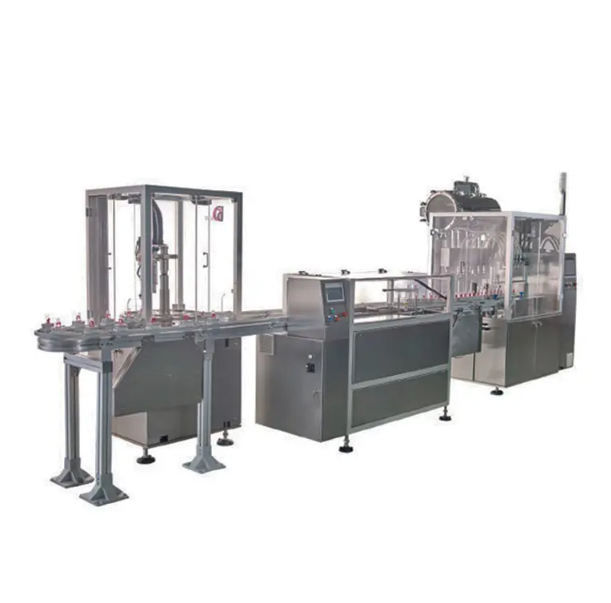
Understanding How Liquid Properties Influence Filling Machine Selection
The physical characteristics of liquids directly dictate the optimal liquid filling machine configuration for precise, efficient operations. Viscosity, temperature sensitivity, foaming tendencies, and chemical composition each require specialized handling to maintain product integrity and production efficiency.
Viscosity: Determining the Need for Gravity, Pump, or Piston-Based Filling Systems
Low-viscosity fluids like water or solvents flow easily through gravity-fed nozzles, while thicker substances such as honey or cosmetic creams demand positive-displacement pumps. Piston fillers excel with viscous materials by delivering exact volumetric control—preventing underfilling or clogging—while gear pumps balance speed and accuracy for medium-viscosity oils.
Foaming and Carbonation: Why Overflow and Bottom-Up Filling Minimize Turbulence
Carbonated beverages and foaming cleaners require turbulence-reduction strategies. Overflow fillers submerge containers, allowing liquid to displace air gently; bottom-up techniques inject product beneath the surface layer. Both methods prevent oxygen ingress and bubble formation—critical when filling carbonated drinks, where foam can cause 5–10% volume inaccuracies.
Temperature Sensitivity and Chemical Reactivity: Matching Materials with Compatible Filling Technologies
Heat-sensitive pharmaceuticals and reactive chemicals like acids necessitate inert material contact surfaces. Stainless steel 316L resists corrosion, while ceramic valves prevent catalytic reactions. For temperature-critical biologics, jacketed reservoirs maintain ±1°C stability. Compatibility testing ensures seals and wetted parts won’t degrade or leach compounds.
| Property | Filling Challenge | Recommended Solution |
|---|---|---|
| High Viscosity | Slow flow, clogging | Piston filler with heated hopper |
| Foaming | Volume inaccuracy | Bottom-up nozzle with vent tube |
| Corrosive | Material degradation | Ceramic-lined components |
Understanding these relationships prevents costly recalibration cycles and reduces product waste by 15–30% in bottling operations.
Key Adaptation Techniques for Challenging Liquids in Liquid Filling Machines
Managing Foaming Liquids with Laminar Flow Nozzles, Vent Tubes, and Delayed Sealing
When dealing with foamy stuff like soda pop or those thick protein drinks, regular equipment just won't cut it if we want to avoid spills and wasted product. That's where laminar flow nozzles come into play. These bad boys pour liquid in nice smooth layers instead of splashing around, which cuts down on all that pesky air getting mixed in. And don't forget about those vent tubes either they let out trapped bubbles as containers fill up. The real magic happens with delayed sealing tech though. By waiting just long enough for the foam to calm down before putting on the cap, these systems keep production rolling at around 100 to 150 bottles per minute while slashing rejected units caused by foam issues by nearly three quarters compared to older techniques. Craft beer makers especially appreciate temperature controlled nozzles since their delicate brews can get ruined easily when exposed to too much heat during the filling process.
Handling High Viscosity Fluids Using Positive Displacement Pumps and Volumetric Flow Control
Materials with higher viscosity ranges between 5,000 and 50,000 centipoise present unique handling challenges compared to runnier fluids. When dealing with substances like honey, industrial adhesives, or cosmetic creams, standard pumping methods won't cut it. Positive displacement technology comes into play here. These include various mechanical options such as pistons, gears, and lobes that actually force the material through nozzles at steady pressure levels. Precision matters a lot when dispensing expensive materials. Volumetric flow control ensures accurate dosing down to about half a percent variation, which makes all the difference for costly items like specialty pharmaceutical gels. Things get even trickier with extremely thick pastes above 100,000 cP. Industry professionals often rely on heated storage containers and insulated piping systems to keep these materials flowing smoothly without compromising their delicate chemical properties during processing.
Modular Hardware Adjustments for Cross Material Compatibility
Swappable Nozzles, Pumps, and Pressure Systems for Versatile Use Across Perfumes, Oils, Beverages, and Pharma
Adapting liquid filling machines to diverse materials requires interchangeable hardware engineered for rapid reconfiguration. Leading manufacturers integrate modular components to eliminate costly dedicated machinery:
- Nozzles switch between fine-mist designs for perfumes and wide-bore variants for oils
- Pumps transition from peristaltic systems for caustic chemicals to rotary piston units for viscous syrups
- Pressure systems adjust between vacuum-sealed filling for pharmaceuticals and gravity-fed modes for carbonated beverages
This standardized yet flexible approach allows production lines to pivot between product types in minutes. One platform handles thin sanitizers, thick creams, volatile solvents, and fragile emulsions—reducing changeover downtime by 65% compared to fixed-configuration systems. Modularity future-proofs operations, enabling seamless adoption of new materials without retooling investments.
Meeting Industry Specific Standards and Compliance Requirements
Ensuring Hygiene and Safety in Food, Pharmaceutical, and Cosmetic Applications (FDA, ISO, EHEDG)
Getting liquid filling machines up to speed with industry standards isn't just important it's absolutely necessary if companies want to stay safe and get their products onto store shelves. When we talk about food processing, medicine manufacturing, or cosmetics production, there are serious hygiene rules from bodies like the FDA over here in the US, ISO internationally, and EHEDG across Europe that need following. These regulations basically demand materials that won't react chemically, complete cleaning capabilities through those CIP systems, plus proper documentation showing how well the equipment handles microbes. Every time someone tweaks a machine, especially during product switches from something like hand sanitizer to cooking oil, they need to check everything thoroughly to stop contamination issues. That means looking at all those little parts that touch the product, making sure surfaces are super smooth after electropolishing, and running test cycles to confirm cleaning works as intended. For businesses operating under strict regulations, these details make all the difference between success and costly recalls.