 EN
EN

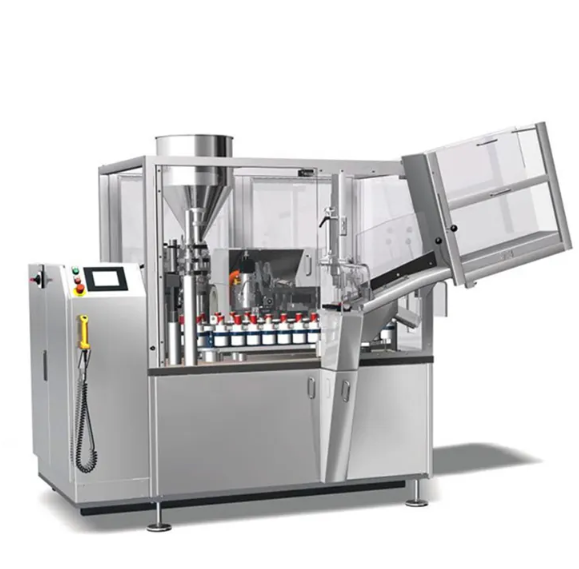
Understanding Cream Filling Machine Types for Small-Batch Production
Manual vs. Semi-Automatic vs. Fully Automatic: Matching Automation to Scale
Manual cream filling machines need full human involvement, which works best when producing tiny batches below 100 units each day. The good news is these basic models don't cost much upfront, usually between $1k to $3k, but they aren't fast at all, managing only around 10 to 15 containers per minute before operators start feeling tired. Semi automatic versions hit that sweet spot somewhere in the middle. They handle the actual filling automatically, but still require someone to place each container manually. These machines can crank out 20 to 40 containers per minute and typically cost about 60 percent less than their fully automatic counterparts, making them practical choice for operations needing to produce anywhere from 500 to 2,000 units. Fully automatic production lines are great for big volume work, capable of handling over 100 containers per minute, but come with hefty price tags exceeding $50k plus the need for significant factory space something most startups simply cannot afford. According to recent data from the packaging sector, nearly three quarters of small cosmetic businesses have opted for semi automatic equipment because it allows them to grow their operations without ending up with excess capacity.
Why Semi-Automatic Machines Offer the Best Balance for Startups
Semi-automatic cream filling machines reduce labor costs by 40% compared to manual systems while preserving agility for formulation changes. Their modular designs accommodate jars, tubes, and bottles without retooling expenses. Key advantages include:
- Precision dosing (±1% accuracy) for viscous skincare products
- Quick-change components, enabling shifts between product lines in under 15 minutes
- Space efficiency: most tabletop models occupy less than 2m²
Startups benefit from throughput scalability—operators can increase output incrementally by adding shifts before committing to new equipment. This avoids premature capital lock-in during market validation, when batch sizes remain highly variable.
The Risk of Over-Automation: When Fully Automatic Becomes Cost-Prohibitive
Fully automatic cream filling machines incur hidden expenses beyond their $50k—$200k price tag. They typically require:
- Specialized maintenance contracts, averaging $15k/year
- Dedicated production space, minimum 10m × 5m
- High-volume material commitments, usually exceeding 10,000 units/month to justify operation
| Cost Factor | Semi-Automatic | Fully Automatic |
|---|---|---|
| Setup Time | 2—4 hours | 2—3 weeks |
| Minimum Viable Batch | 500 units | 5,000+ units |
| ROI Period | 3—6 months | 18—36 months |
For batches under 5,000 monthly units, automation overhead consumes 30—50% of gross margins, per manufacturing efficiency studies. Semi-automatic systems preserve working capital while delivering 95% of the quality consistency achievable at scale.
Key Performance Metrics for Effective Small-Batch Filling
Filling Accuracy and Consistency Across Small Batch Sizes
Getting things right matters a lot when producing small batches. Even a tiny 1% variation in volume can mean wasted expensive ingredients or products that don't work as intended, especially when running limited quantities. Today's cream filling equipment manages around plus or minus 0.5% accuracy thanks to those fancy servo controlled pistons, which helps keep every container filled consistently. This kind of accuracy saves money on overfilling and avoids situations where customers get less than they paid for. When it comes to scaling recipes reliably, consistency makes all the difference. Small manufacturing businesses that hit these tight accuracy targets actually cut down on product giveaways by about 18 percent, based on some research from last year looking at production efficiencies.
Adjustable Speed and Volume Control for Diverse Skincare Formulations
Flexibility defines small-batch success. A cream filling machine must adapt to viscosities ranging from thin serums to thick balms—without cross-contamination risks. Essential capabilities include:
- Gradual speed control (10—120 bottles/minute), supporting trial batches and sensitivity testing
- Quick-change nozzle systems, compatible with varied container geometries
- Digital volume calibration, allowing 0.1ml adjustments for reformulations
Operators eliminate hours of mechanical recalibration, accelerating changeovers. For skincare startups running 500-unit test batches, this agility enables rapid iteration—validating new formulations while maintaining fill integrity.
Practical Factors: Viscosity, Containers, and Production Space
Handling Different Viscosities: Creams, Gels, and Pastes
The thickness of a product plays a major role in determining which type of filler works best. For thin creams that measure under 1,000 mPas, gravity feed systems work just fine since these products flow smoothly on their own. When dealing with medium thick gels ranging between 5,000 and 10,000 mPas, operators typically switch to piston driven fillers because otherwise air gets trapped inside and dosage ends up all over the place. The really thick stuff above 10,000 mPas needs special auger fillers equipped with those screw mechanisms that push material forward while keeping bubbles out and preventing layers from separating. Temperature changes throw another wrench into this whole process too. According to recent tests from Material Dynamics Lab back in 2023, even a small temperature change of around 10 degrees Celsius can actually change how runny or sticky something feels by as much as 20%. That's why maintaining stable temperatures becomes so important when running production lines for long periods if we want each batch coming off the line to match what came before it.
Container Compatibility and Footprint of Tabletop Filling Solutions
Tabletop cream filling machines work with all sorts of containers, though they really need those nozzles aligned just right and a solid base to sit on. The big mouth jars, at least 50mm across, fill thick products much better and faster. For those skinny neck bottles, we usually go with tapered nozzles so nothing splashes out or gets wasted. What container material matters as well? Definitely. Lightweight plastics can actually bend when the piston pushes down on thick creams, which leads to all sorts of problems like leaks or misaligned nozzles. Most modern models take up less than half a square meter of space, making them perfect for small labs that rarely have more than ten square meters total. And speaking of convenience, these machines come in modular setups that make switching between different containers super quick. Changing from the 30ml tube kit to one for 200ml tubs? Takes about 15 minutes max, maybe even less if someone knows what they're doing.