 EN
EN

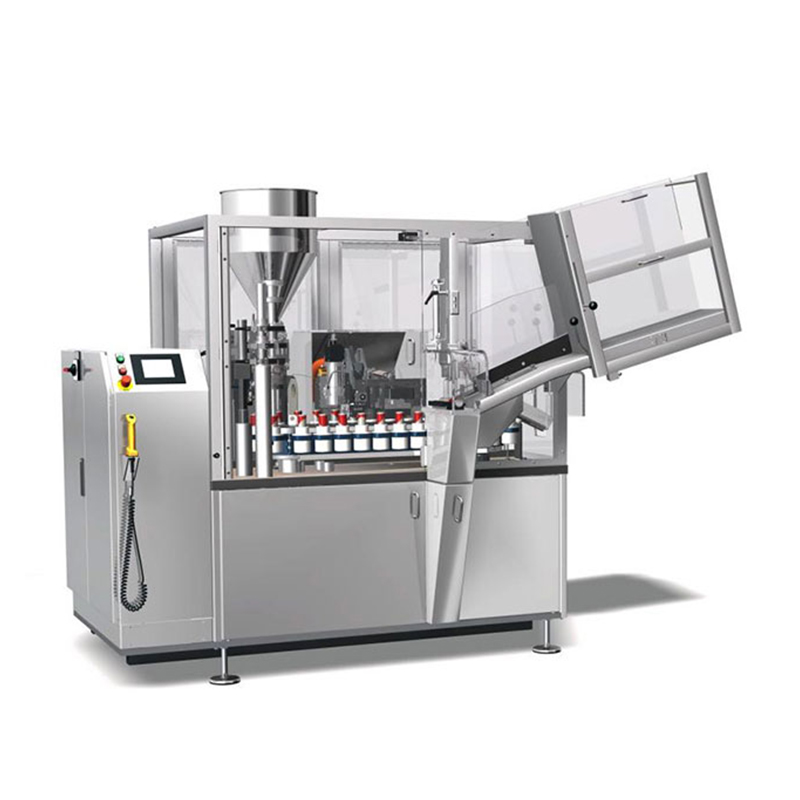
Reducing Labor Costs with Automatic Liquid Filling Machines
How Automation Reduces Reliance on Manual Labor in Liquid Filling Processes
Liquid filling machines that work automatically cut down on production time by taking over boring repetitive jobs like aligning bottles, putting on caps, and checking fill levels. A report from Boston Consulting Group back in 2023 showed that factories with full automation saved about a third on labor expenses and managed to get 30 percent more output because they could run without stopping. The real plus side? These machines basically wipe out those annoying human mistakes that slow things down so much in traditional setups. We're talking about something like 17% fewer production holdups just from switching to automated systems according to Packaging Digest last year.
Key Cost-Saving Mechanisms: Fewer Operators, Lower Training Needs, and Reduced Errors
Today's production systems combine vision sensors with servo controlled pumps so one person can handle jobs that used to take three to five workers. The training period gets cut down around 60 percent when compared to old fashioned manual lines because employees just watch what's happening on touchscreens instead of learning all those complicated filling methods from scratch. Mistakes happen much less frequently too - about 0.2% overall - thanks to those smart controllers keeping things within plus or minus half a percent accuracy day after day without breaking a sweat.
Case Study: Labor Savings in a Mid-Sized Beverage Company Using Fully Automatic Filling Systems
When a mid-sized soft drink manufacturer installed an automated liquid filler, their labor expenses dropped around 40%. They went from needing 12 workers per shift down to just 7 people handling operations now. The new system works seamlessly with existing conveyor belts, which boosted production speed by nearly 30%. Now they're cranking out 18 thousand bottles every hour with almost perfect fill accuracy at 99.4%. Looking back over the past year and a half, this investment has paid off handsomely. The savings on employee wages alone amounted to close to half a million dollars, all while their overall production volume jumped by almost a third during that same period.
Balancing Workforce Impact and Operational Efficiency in Automated Transitions
Getting automation right means retraining around half to two thirds of workers who lose their jobs, especially those moving into machine maintenance and quality control positions. Companies that take it slow, replacing old manual workstations bit by bit over about six to nine months see much better results. According to IndustryWeek from last year, these gradual changes lead to about 23 percent more employees sticking around compared to businesses that automate everything at once. The slower transition helps keep valuable workplace knowledge intact too. Most importantly, companies following this method typically get close to 9 out of 10 of their expected cost savings just in the first twelve months after implementation.
How Automatic Filling Machines Accelerate Production Cycles
Modern liquid filling machines achieve cycle times 3–5x faster than manual processes by eliminating human speed limitations. Robotic systems handle 12,000+ containers hourly while maintaining ±0.5% fill accuracy, enabling 24/7 production without fatigue-related slowdowns. Recent assembly line efficiency studies show fully automatic packaging machines reduce cycle intervals by 61% compared to semi-automated systems.
Integration with Conveyor Systems for Seamless, High-Speed Filling Lines
Automated liquid fillers synchronize with intelligent conveyor belts to create uninterrupted workflows. This integration enables:
- Continuous throughput with <2 second container-to-container transition speeds
- Zero manual transfers through auto-elevation belt adjustments
- Self-correcting alignment via laser-guided positioning systems
A 2023 tube manufacturing analysis found these synchronized systems boosted productivity 25% by eliminating manual material handling bottlenecks.
Data-Driven Results: 68% Output Increase at Pharmaceutical Plant
A mid-sized medication producer achieved measurable gains after upgrading to automated filling technology:
| Metric | Pre-Automation | Post-Automation | Change |
|---|---|---|---|
| Units/hour | 7,200 | 12,096 | +68% |
| Fill accuracy | 97.1% | 99.6% | +2.5pp |
| Overtime costs/month | $23k | $8k | -65% |
The system’s servo-driven pumps and RFID-tagged containers reduced changeover time from 47 minutes to 6 minutes.
Sustaining High-Efficiency Output Without Bottlenecks
Leading manufacturers maintain peak throughput using:
- Predictive flow analytics identifying viscosity-related slowdowns
- Self-cleaning nozzles preventing residue buildup during 24-hour runs
- Dynamic rate adjustment automatically compensating for line congestion
A 2024 automation ROI study revealed plants combining these technologies sustained >95% efficiency across 10,000+ operational hours annually.
Enhancing Product Consistency and Fill Accuracy
Achieving Stable Production Capacity with Precision Engineering
Modern automatic liquid filling machines achieve ±0.5% volumetric accuracy through advanced PLC controls and servo-driven mechanisms. This precision eliminates manual measurement variability, ensuring uniform fill levels across thousands of containers. For viscous products like syrups or creams, temperature-compensated sensors automatically adjust flow rates to maintain dosing consistency despite environmental changes.
Real-World Accuracy: A Cosmetics Manufacturer Reaches 99.6% Fill Consistency
One cosmetics company in the middle market saw their rejected products drop by almost three quarters when they switched to automatic packaging machines equipped with laser guidance. These machines have nozzles that adjust themselves, maintaining about 99.6 percent accuracy in filling across twelve different product types. They handle everything from delicate glass containers to oddly shaped plastic tubes without issue. The improved accuracy translated into real money saved for the business. By avoiding overfills on expensive skincare products like serums and moisturizers, the company managed to save around two million dollars each year. This kind of efficiency makes a big difference in an industry where margins can be razor thin.
Minimizing Product Waste and Recalls Through Consistent Dosing
Liquid filling systems that are automated stop those pesky underfills and overfills which create around 30 to maybe even 50 percent of all waste when things are done manually. These machines come equipped with load cell checks plus they spot errors as they happen, so there's less chance of recalls especially important stuff like meds and such. Take one company making nutritional supplements for instance they slashed cleanup after spills by about 82 percent. At the same time they kept their records straight according to what the FDA wants because everything gets logged automatically during dosing.
Calculating ROI and Long-Term Cost Savings
Breakdown of initial investment vs. ongoing labor and operational savings
Modern liquid filling machines require a capital expenditure of $120k–$500k depending on throughput requirements, but they deliver labor cost reductions of 40–60% within the first year. Operational savings stem from:
- Reduced headcount: A 10-line automated facility operates with 4 technicians instead of 12 manual workers
- Lower training costs: Automated systems require 72% less onboarding time than manual filling teams
- Error reduction: Precision filling mechanisms decrease product waste by 19% annually
How quickly businesses see return on automatic filling machine investments
Most operations achieve ROI within 12–24 months through labor reduction and increased output. A recent analysis of 72 automated facilities showed:
| Production Scale | Avg. ROI Timeline | Annual Savings |
|---|---|---|
| 5,000 units/day | 18 months | $210k |
| 20,000 units/day | 14 months | $740k |
| 50,000 units/day | 11 months | $1.9M |
Nucleus Research confirms companies prioritizing 90%+ machine uptime and >300% throughput gains recover costs 23% faster than industry averages.
Total cost of ownership: Maintenance, energy use, and scalability considerations
Automatic systems do consume around 6 to 8 percent more energy compared to manual ones, but they still come out ahead financially with a total cost of ownership that's about 30% lower over five years. The modular nature of these systems means businesses can upgrade parts incrementally rather than replacing everything at once, which is becoming increasingly important since nearly seven out of ten manufacturers are looking at expanding production capacity by 2026 according to recent industry reports. When it comes to keeping operations running smoothly, investing in proactive maintenance agreements usually costs between 2 and 4 percent of what machines themselves cost each year, yet this small investment stops most unexpected shutdowns from happening altogether in facilities that rely on automation.
Integrating Smart Technology and Industry 4.0 for Future-Ready Production
Real-Time Monitoring and Data Integration in Modern Liquid Filling Machines
The latest generation of liquid filling equipment comes equipped with IoT sensors and edge computing capabilities that monitor things like viscosity levels, temperature changes, and actual fill amounts as they happen on the production line. When these smart systems spot something off track, say a 2 percent overfill happening halfway through a batch, they alert workers right away so mistakes can be fixed before too much product gets wasted. Factories that have implemented this kind of real-time data tracking report cutting down unexpected shutdowns by about thirty percent when compared to old school manual checks according to Packaging Digest from last year. Of course getting all this tech working smoothly takes some adjustment period for most manufacturing facilities.
Adopting Industry 4.0: IoT, Predictive Maintenance, and Cloud-Based Controls
Manufacturers at the forefront of industrial innovation are getting serious about Industry 4.0 tech these days. Take AI powered predictive maintenance for instance it looks at how motors vibrate and can tell when pumps might fail almost three days before anything actually goes wrong. The cloud connection stuff is pretty cool too. A big pharma company was able to change production volumes all at once across their three plants last quarter just by tweaking settings online through secure portals. What does this mean practically? Well, companies report saving around 22 percent on maintenance expenses each year, and they keep operations running smoothly most of the time about 99.4% uptime according to industry reports. Not bad for some fancy computer stuff.
Scaling Automation for Flexible, Responsive Manufacturing Across Industries
Smart liquid filling machines with their modular designs can be quickly reconfigured for different products. Take a cosmetics company as an example they were able to switch production from those small 50ml serum bottles to large 1 liter shampoo containers within just 23 minutes thanks to pre set tooling profiles stored in the system. This kind of flexibility makes it possible for facilities to run multiple product types on the same line without worrying about contamination issues between food grade materials, chemicals and pharmaceuticals. Manufacturers who have made the switch to these modern systems are seeing around 40 percent improvement in how fast they can adjust production when market demands change suddenly compared with older traditional equipment setups.
Table of Contents
-
Reducing Labor Costs with Automatic Liquid Filling Machines
- How Automation Reduces Reliance on Manual Labor in Liquid Filling Processes
- Key Cost-Saving Mechanisms: Fewer Operators, Lower Training Needs, and Reduced Errors
- Case Study: Labor Savings in a Mid-Sized Beverage Company Using Fully Automatic Filling Systems
- Balancing Workforce Impact and Operational Efficiency in Automated Transitions
- How Automatic Filling Machines Accelerate Production Cycles
- Integration with Conveyor Systems for Seamless, High-Speed Filling Lines
- Data-Driven Results: 68% Output Increase at Pharmaceutical Plant
- Sustaining High-Efficiency Output Without Bottlenecks
- Enhancing Product Consistency and Fill Accuracy
- Calculating ROI and Long-Term Cost Savings
- Integrating Smart Technology and Industry 4.0 for Future-Ready Production