 EN
EN

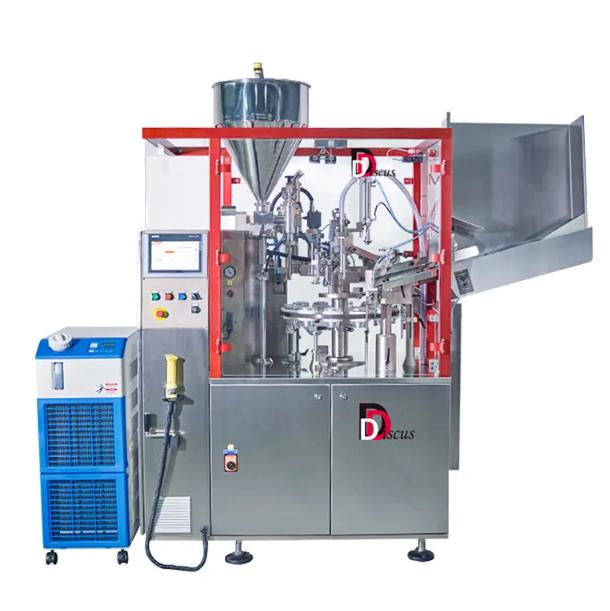
מנגנוני חיבוט מרכזיים במכונות מילוי צינורות אוטומטיות לחלוטין
חום, לחץ וכיפוף: איך כל שיטה מבטיחה חיבוט הרטיק
תהליך החיתוך באמצעות חום פועל על ידי ניסור שכבות תרמופלסטיות כגון פוליאתילן או שכבויות שונות בטמפרטורות בין 120 ל-180 מעלות צלזיוס. זה יוצר קשר מולקולרי חזק מספיק כדי לעמוד בלחצים פנימיים בתחום של 25 עד 40 PSI, מה שחשוב לקידום תרופות בצורה נכונה. הלחמת לחץ פועלת בגישה שונה לגמרי. במקום להחיל חום, היא משתמשת בכוח של כ-15 עד 20 קילוגרם לסנטימטר רבוע כדי לדחוס חומרים עד שהם יוצרים חיבורים עמידים לחלוטין בפני דליפה. זה הופך אותה למתאימה במיוחד לחומרים עדינים כמו ג'לי סיליקון שעלולים להתפרק בטמפרטורות גבוהות. כיווץ מכני כולל עיוות של אזור הכתפיים של צינורות אלומיניום באמצעות פרקים בעלי עיצוב מיוחד שמפעילים כוחות anywhere from 3,000 to 5,000 ניוטון. מבחנים על אריזות קוסמטיקה הראו שחיבורים אלו שומרים על שיעור שלמות של יותר מ-99.7%. כל שלוש השיטות עוצרות באופן יעיל את חדירת החמצן, בין אם על ידי איחוד של שרשרות פולימריות או יצירת ממשקים מתכתיים הדוקים. זה חשוב מאוד משום ש даже כמויות זעירות של חמצון יכולות להרוס נוסחאות. מחקרים מציינים שחשיפה שנתית של 0.01% חמצן יכולה לצמצם את האפקטיביות עד 43% במוצרים רגישים מסוימים.
אטימה דו-מימדית: חום אויר + ריתוך לחץ לצלחת פלסטיק; כיווץ רובוטי לאלומיניום
הציוד העדכני ביותר למילוי צינורות אוטומטי לחלוטין פועל בצורה הטובה ביותר כאשר הוא עוקב אחר הליכים ספציפיים שמותאמים לחומרים שונים. עבור צינורות פלסטיק, התהליך מתחיל בחימום שלהם באמצעות אוויר חם בטמפרטורה של כ-180 עד 220 מעלות צלזיוס. לאחר מכן מגיע שלב הלחמת הלחץ, הנמשך כ-0.8 עד 1.2 שניות, ויוצר את החיבורים החשובים בין השכבות לפני שכל המערכת nguشت. בעת עיבוד אלומיניום, יצרנים זקוקים לזרועות רובוטיות מיוחדות עם חיישנים מובנים המסוגלים להרגיש את כמות הכוח שמופעל. הרובוטים הללו מבצעים פעולות כיווץ מדויקות במיוחד, תוך שמירה על דיוק של פלוס מינוס 0.02 מילימטר, תוך מהירות מספקת לעבד יותר מ-100 צינורות לדקה. כל המערכת פועלת כל כך טוב מכיוון שהיא מתאימה את עצמה להתנהגות הטבעית של כל חומר. פלסטיק 'זוכר' טיפול בחום, בעוד שאלומיניום מתכופף מבלי להישבר. התאמה חכמה זו מצמצמת כשלים שמקורם בשיטות איטום רגילות ב-12 אחוזים, ומבטלת כמעט לגמרי את בעיות ה 'חיבורים' המטרידות בתהליך הייצור, הודות לתזמון מדויק של תנועות הפקק.
פרמטרים קריטיים של תהליך שמגדירים את שלמות החותם
טמפרטורה, זמן השהיה ולחץ: התלות ההדוקה ביניהם
איכות החותמות בציוד מילוי צינורות אוטומטי תלויה במידה רבה ב-3 גורמים מרכזיים: הגדרת הטמפרטורה, זמן הלחץ של המכונה (זמן ההישארות) והלחץ בפועל המשמש בעת החותמת. הפרמטרים האלה חייבים להיות מותאמים בתוך כ-2% מהערכים המכוונים שלהם כדי שהכל יעבוד כראוי. כשדברים משתבשים, אנחנו רואים בעיות ספציפיות. אם החום לא גבוה מספיק מתחת ל-120 מעלות צלזיוס עבור חומרים פלסטיק, הפולימרים לא יתמזגו לגמרי. מצד שני, לחץ רב מדי מעל 50 פאונד לאונם רבוע יכול למעשה לעוות את הצורה של הצינורות המותקים. ואם המכונה לא מחזיקה את הלחץ מספיק זמן פחות מחצי שניה או משהו כזה התפרים נוטים להתפרק בקלות. יש גמישות בין הגורמים האלה. טמפרטורות גבוהות יותר בדרך כלל אומרות שאנחנו יכולים להתחמק עם זמן תחזק קצר יותר, והוספת קצת יותר לחץ עוזר לפצות כאשר ישנו שינוי קל בחומר עצמו. אבל תיזהר מהחלפות טמפרטורה גדולות מ + או מינוס 3 מעלות צלזיוס. הניסיון מראה שזה גורם לדליפות לקפוץ ב-15 אחוזים, ולכן רוב המערכות המודרניות כוללות חיישנים המודדים כל הזמן את הטמפרטורה ומסתדרים באופן אוטומטי לפי הצורך.
אתגרים של סינכרוניזציה: סידור חימום, דחיסה, קרירות וחיכוך במחזורים מהירים
במהירות ייצור העולה על 200 צינורות/דקה, סינכרוניזציה ברמת מילישנייה בין שלבי החותם אינה ניתנת לדיון. תלות בזמן קריטית כוללת:
- חימום צריך להגיע לטמפרטורה המוכרת לפני הקשר מתחיל
- דכיסה : דורש חלוקת לחץ אחידה על פני כל אזור החותם
- קירור : זקוק לקיצוץ מבוקר כדי למנוע סדקים מתח תרמי
- דחיסה : דורש מיקוי מכני מדויק כדי למנוע עיוות כתף
עיכוב של 10 מילישניות בין חימום ללחץ גורם להתמוטטות תרמית ניתנת למדוד, והופחתת את עוצמת החותם ב-30%. מערכות סרבו מתקדמות משתמשות כעת בתגובה של מעצב בזמן אמת כדי לשמור על סידור שלב, בעוד רובוטים מונחים על ידי ראייה מתאים את מיקום הלסת המופקדת בתוך 0.1 מ"מ במהלך הפעלה מתמשכת, תוך הבטחת שלמות הרמטית מבלי להקריב את יע
התאמה של חומר ומוצר לחיסום אמין
פלסטיק לעומת אלומיניום לעומת צינורות מדרומים: התנהגות חותמת ותנועות כשל
עבור צינורות פלסטיק עשויים מחומרים כמו HDPE או LDPE, תהליך הקשר תלוי במידה רבה בחום הפולימרים עד שהם מתמזגים יחד. עם זאת, בעיות מתעוררות לעתים קרובות כאשר יש אי עקביות בתערובת הקש או כאשר לח נכנס למשוואה, מה שמוביל לנקודות חלשות או פגמים מרגיזים של חוטים במהלך הייצור. עם צינורות אלומיניום, המפתח הוא לקבל את crimping בדיוק נכון. אבל עם הזמן, מתח מכני קבוע יכול ליצור סדקים קטנים או פיצולים אלא אם כן הכוח המופעל משתנה כראוי לכל ערכה חדשה שעוברת דרך הקו. צינורות מקרחים כגון שילוב PE/Al/PE מציבים אתגרים משלהם מכיוון ששני החום והלחץ צריכים לעבוד יחד בצורה מושלמת כדי לדביק את כל השכבות יחד. כאשר האיזון הזה נשבר, אנו רואים את התקרות המתרחשת כי שכבות פשוט לא דבקות יותר כראוי. אז מה זה אומר בפועל? כל סוג חומר צריך גישה משלו. פלסטיק בדרך כלל צריך טמפרטורות שנשמרות בתוך 3 מעלות צלזיוס בערך מהערכים המוכרחים. אלומיניום עובד הכי טוב כאשר מפעילים לכוון את כוחות ההגדלה בזהירות במהלך סיבוב הייצור. ולטגנים בהחלט נדרש לחץ שווה על פני השטח כולו כדי למנוע מהשכבות להתפצל.
איך צמיגות המוצר ועקביות המילוי משפיעים על יצירת החתימה ועל שלמות לאחר המילוי
אופן הזרימה של המוצרים משפיע על קיומן לאורך זמן של החותמים. כשמדובר בחומרים עבים כמו ג'לים סיליקוניים, זמני מילוי וחיתום לא מתאימים עלולים ללכוד בועות אוויר בתוך האריזה. הפockets באוויר יוצרים נקודות תורפה שמחלישות את שלמות החותם. מצד שני, חומרים זורמים כמו שריונים מבוססי מים נוטים ל filtrate אל אזור החיתום לפני שהלחיצה מתרחשת. זה מפריע לפני השטח الملتحמת ועשוי להפחית את חוזק האדהזיה בכ-30-40%. חשוב באותה מידה להשיג את הכמות הנכונה של מוצר בכל מיכל. כמות מוגזמת של מוצר נדחפת לאזור החימום במהלך החיתום, מה שגורם לבעיות זיהום וחיתומים מעוותים. מיכלים עם מעט מדי מוצר מסתיימים עם חלל ריק בראש, מה שמאיץ בעיות חמצון. לצורך תוצאות אופטימליות, מרבית היצרנים שואפים בדיוק ממילוי של חצי אחוז לכל כיוון, ובנוסף להתאמת מהירות המילוי לצרכים האמיתיים של המוצר בהתאם לתכונות העיבוי שלו.
היגיינה, בקרת זיהום והשגת מניעה של כשלון חותמים בסביבה אמיתית
ביטול תופעת ה 'סטרינגים', טפטוף מפייה וזיהום אזור החותם בסביבות סטריליות
שמירה על תפעול סטרילי דורשת פעולה מוקדמת נגד מקורות הה загזתנות המטרידים עוד לפני שהם הופכים לבעיות. אנו פותרים בעיות של שזירות על ידי תכנות מסלולים מדויקים של משיכה לאחור של הפקקים ותאום של קצב הזרימה בהתאם לצמיגות החומר, מה שמונע כמעט לחלוטין את היווצרות השזירות המטרידות. כשמדובר בדליפות של פקקים, אנו משתמשים שסתומי כיבוי בדיאפרגמה לצד ציפויים הידרופוביים מיוחדים שמונעים דליפה. אמצעים אלו מפחיתים את כמות החלקיקים בכ-90 אחוז, לפי בדיקות שבוצעו בחדרים נקיים מסוג ISO Class 5. באזורים של החיתום, בהם הסיכון להזנות הוא גבוה, הגישה שלנו כוללת טכנולוגיית חיתום ללא מגע, כגון חימום באינפרא-אדום ומסכי אויר מסוננים HEPA היוצרים חומה סביב אזור הקימוט. שילוב של כל זה יחד עם מחזורי ניקיון קבועים במקום (CIP) באמצעות חומרי ניקוי איכותיים לרמה פארמצבטית, לצד ניטור מתמיד של חלקיקים באוויר, מבטיח שהמתקנים עומדים בדרישות המחמירות של תקן ISO 14644 Class 5, תוך כדי הפעלה של יותר מ-200 צינורות לדקה ללא עצירות.
מוניטורינג ותחזוקה חכמים לביצוע עקבי של החותמות
אימות איכות חותמת בזמן אמת: מערכות ראייה, חיישני כוח וכشف חריגות ממונע ב-AI
מכונות מילוי צינורות מודרניות מצויות בציוד מתקדם לאימות רב-חיישני הפועל במקביל למהירויות ייצור. מערכות ראייה באיכות גבוהה בודקות למעשה כל חותם וחותם ביותר מ-200 צינורות לדקה בימינו. המערכות הללו מאתרות הבדלים קטנים בצורת עד 0.2 מ"מ בלבד, בהשוואה לתרשימים הדיגיטליים שלהן באמצעות טכנולוגיית זיהוי קצוות. בינתיים חיישני כוח עוקבים אחר כל שינויי הלחץ המתרחשים במהלך שלבי הכפפה או הלحام. הם די טובים גם בזיהוי בעיות, ומזהים תקלות הקשורות לשחיקת כלים בדיוק של כ-99.7%. מה שהופך את המערכת הזו לאמיתית אפקטיבית הוא האופן שבו היא משלבת את כל נתוני החיישנים בזמן אמת עם תמונות תרמיות ורשומות ביצועים קודמות. זה עוזר לאתר דברים כמו דפוסי חימום לא אחידים או שחיקה הדרגתית של פרקי המכונה לפני שהם הופכים להפסקות פעילות אמיתיות. יצרנים מדווחים על ירידת שיעורי פגמים שנמלטים בכמעט שני שלישים, בהשוואה למה שהיה נהוג בדיקות ידניות רגילות.
פרוטוקולי תחזוקה מונעת לשמירה על דיוק החותם לאורך ריצות ייצור
תחזוקה חיזויית שומרת על דיוק החותם באמצעות התערבויות המבוססות על ראיות ובהתאם ללוחות זמנים:
- כיול איבר חום כל 250 שעות פעילות, באמצעות תרמוגרפיה באינפרא-אדום, כדי לשמור על דיוק של ±1°C
- החלפת פרקים לצמצום אחרי 100,000 מחזורים, בהתאם למדידות טלמטריה משובצת של ב worn
- אימות יישור נozzle לפני כל שורה, באמצעות מערכות מיקוד לייזר
- ניקוי משטח החותם במהלך החלפת מוצרים, מבוצע לפי הליכי סטריליזציה מאומתים
כל אירועים של תחזוקה משובצים בלוחות מחוונים של OEE, ומאפשרים ניתוח מגמות של מדדי KPI של שלמות החותם - כולל שיעורי הצלחה של מבחני דליפה ושונות בתבניות כוח. אסטרטגיה המבוססת על נתונים מרחיבה את הזמן הממוצע בין כשלים ב-40% ומבטלת 92% מהפסדי זמן לא מתוכננים.