 EN

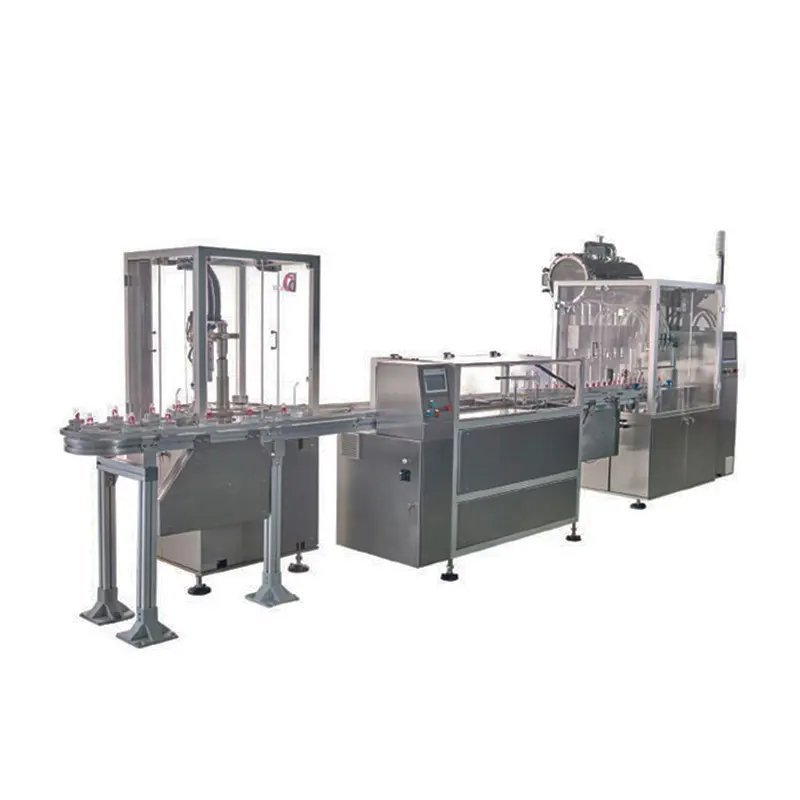
Mastering Product Transitions on Modern Packaging Lines
When contract packagers, cosmetics laboratories, and food processing plants frequently shake up their daily production schedules to handle brand-new formulations, managing smooth fluid transitions becomes a major test of operational agility. Running a versatile semi-automatic filling machine allows growing businesses to scale production efficiently across widely differing product lines, ranging from watery facial toners and essential oils to rich cosmetic creams, heavy gels, and sticky syrups. Based on years of hands-on factory commissioning and troubleshooting busy packaging floors, switching between vastly different materials without a structured protocol often leads to messy cross-contamination, clogged internal fluid paths, and frustrating batches of wasted product. Understanding the fundamental fluid dynamics and residue behavior of previous runs is the ultimate first step toward achieving a completely seamless, contamination-free product handover.
Implementing Comprehensive Purging and Cleaning Protocols
The absolute cornerstone of a successful material switchover lies in executing a rigorous, systematic cleaning and purging routine. Whenever a facility transitions from an oil-based lotion to a water-based serum, or swaps between distinct fragrance profiles and active pharmaceutical ingredients, leaving microscopic residues behind can ruin an entire production run. According to established industrial sanitation guidelines, operators should deploy a multi-stage cleaning cycle that includes initial hot-water flushes, specialized food-grade or chemical detergent circulation, and thorough final rinsing cycles. For stubborn, high-viscosity formulations, quickly dismantling quick-release nozzles, check valves, and flexible silicone tubing allows technical teams to physically inspect and sanitize every wetted surface, ensuring that the internal fluid pathway is immaculate before introducing the next batch.
Calibrating Viscosity and Flow Rate Adjustments
Different materials possess drastically different rheological properties, meaning that a volumetric or piston-based filling setup calibrated for a thin liquid will behave entirely differently when pumping a heavy, high-viscosity paste. Operating a semi-automatic filling machine efficiently during a material switch requires careful recalibration of pneumatic air pressures, stroke lengths, and intake suction speeds. Industrial fluid mechanics research consistently indicates that ignoring sudden viscosity shifts leads to volumetric inaccuracies, severe fluid splashing, and trapped air pocket formation inside the dosing cylinders. Adjusting anti-drip shut-off nozzles and fine-tuning pneumatic actuator response times ensures that the new material dispenses cleanly, maintaining precise fill weights and flawless container cleanliness.
Mitigating Cross-Contamination Risks in Multi-Product Facilities
In modern manufacturing environments where regulatory compliance and consumer safety reign supreme, preventing cross-contamination is an absolute non-negotiable priority. Sensitive allergens, active pharmaceutical compounds, and potent chemical additives demand absolute isolation during transition periods. Experienced plant engineers strongly recommend designating specific food-grade or medical-grade contact components—such as dedicated O-rings, replacement gaskets, and separate flexible hoses—for distinct material categories. Furthermore, meticulously documenting every single step of the cleaning and validation process creates a transparent audit trail that satisfies international quality assurance frameworks. Protecting product purity during material transitions safeguards brand reputation and ensures complete compliance with global safety regulations.
The Economic Value of Fast Switchovers and Minimal Downtime
Minimizing operational downtime during product changeovers directly impacts a facility's overall equipment effectiveness and bottom-line profitability. Traditional manufacturing bottlenecks usually occur when complex machinery requires hours of tedious disassembly and frustrating recalibration between batches. Conversely, utilizing user-friendly equipment designed with tool-less quick-disconnect fittings and intuitive operator interfaces dramatically cuts transition times down to minutes. When a semi-automatic filling machine enables rapid, straightforward material switching, plant managers can handle smaller batch sizes and customized client orders profitably. This operational flexibility empowers growing brands to respond swiftly to unpredictable market demands without incurring heavy labor overhead or excessive production delays.
Elevating Packaging Efficiency Through Discus Engineering
Achieving effortless material transitions, absolute dosing precision, and long-term industrial reliability requires partnering with a manufacturer dedicated to intelligent mechanical design. Discus stands out as an industry-leading provider of advanced packaging solutions, globally recognized for engineering sophisticated machinery tailored to rigorous international standards. Backed by decades of manufacturing expertise, robust research and development capabilities, and a steadfast commitment to client success, Discus ensures that every semi-automatic filling machine delivers exceptional operational versatility, user-friendly maintenance, and rugged structural durability. Partnering with Discus empowers global manufacturers to elevate their production lines with cutting-edge technology engineered for enduring commercial excellence.
Table of Contents
- Mastering Product Transitions on Modern Packaging Lines
- Implementing Comprehensive Purging and Cleaning Protocols
- Calibrating Viscosity and Flow Rate Adjustments
- Mitigating Cross-Contamination Risks in Multi-Product Facilities
- The Economic Value of Fast Switchovers and Minimal Downtime
- Elevating Packaging Efficiency Through Discus Engineering