 EN
EN

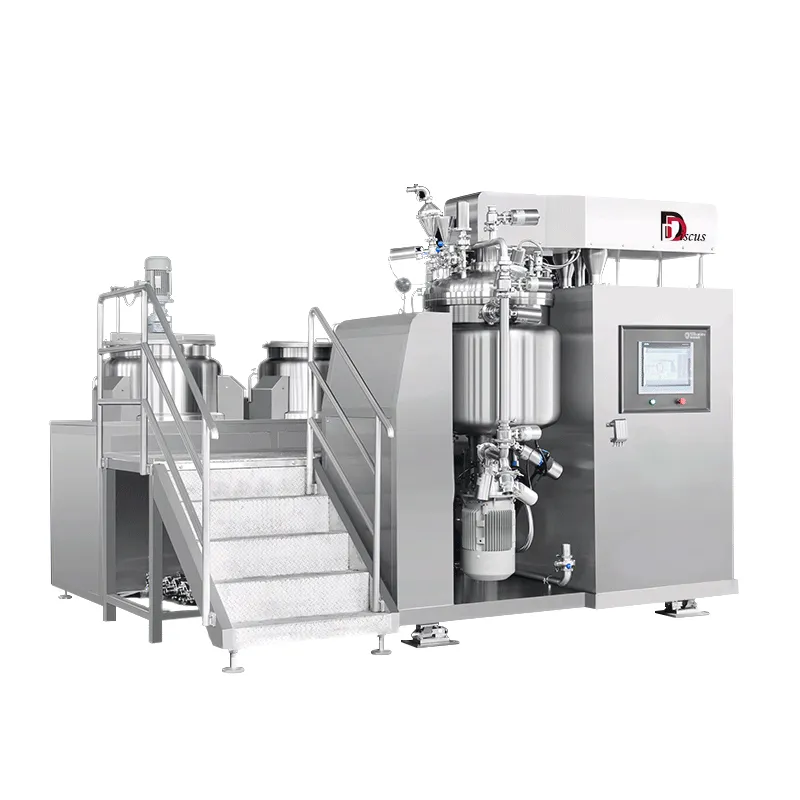
The Path to Perfecting Automated Filling Line Installation
Investing in a fully automatic liquid filling machine is a major step toward scaling production efficiency. However, the machine’s actual performance on the factory floor depends heavily on the quality of its initial installation. A poorly installed unit, regardless of how advanced its technology may be, will inevitably suffer from downtime, inaccurate dosing, and premature mechanical wear. Achieving a seamless installation requires a systematic approach that balances physical placement, technical integration, and careful calibration. By following established industrial best practices, facility managers can ensure that their equipment hits the ground running and maintains consistent output from the very first day.
Strategic Planning and Site Requirements
The installation process begins long before the machine arrives at the facility. Proper site preparation is the foundation of operational success. This includes ensuring the floor is perfectly level to support the weight and vibration of high-speed filling units. Furthermore, the availability of stable power supplies, clean compressed air, and adequate space for maintenance access must be verified. A well-organized facility allows for an efficient flow of materials, which reduces the potential for operator error. Before installation, it is vital to create a detailed layout that considers the entire production line, ensuring that the liquid filling machine is placed in a position that optimizes the flow of containers and maximizes throughput.
Precise Mechanical Assembly and Calibration
Once the machine is positioned, the mechanical assembly stage begins. This involves carefully connecting the intake and outlet systems, ensuring that all connections are secure and leak-free. For liquid filling units, alignment is critical. The conveyor speed must be synchronized with the filling head movement to ensure that every container is filled at the exact point of discharge. During this phase, it is advisable to focus on the calibration of sensors and valves. Even a millimeter of misalignment can lead to spills or incomplete fills. Experienced engineers often suggest using precision leveling tools to ensure that the entire machine remains balanced throughout its operational cycle, as this consistency is key to high-speed accuracy.
System Integration and Workflow Synergy
A filling machine never operates in isolation. It is part of a larger ecosystem that often includes bottle unscramblers, capping machines, and labeling units. Successful installation requires total system synchronization. Modern automatic filling machines rely on Programmable Logic Controllers (PLCs) to communicate with these downstream devices. During the integration phase, time must be allocated to configuring these communication protocols to prevent bottle jams or traffic bottlenecks. The goal is to create a cohesive production line where each component "talks" to the next, creating a steady, automated pulse of production that requires minimal human intervention.
Operational Testing and Performance Fine Tuning
After the physical setup is complete, the testing phase, or "dry run," is essential. This is not just about turning the machine on; it is about simulating real-world production loads. Running the line with empty containers helps identify any friction points or timing issues that might not be visible under static conditions. During this phase, operators should monitor the dosing precision, check for any fluid vibrations in the supply line, and verify that the emergency stop and safety mechanisms are functioning perfectly. This phase is an opportunity to fine-tune the settings for different liquids, ensuring that the system is optimized for viscosity, temperature, and volume variance, ultimately leading to higher overall equipment effectiveness.
Empowering Production with Discus Expertise
The successful deployment of automatic filling technology relies on a foundation of expert support and reliable manufacturing. Discus provides more than just state-of-the-art machinery; it offers a full suite of support services designed to simplify the installation process. From providing detailed installation guides and remote technical assistance to ensuring that every unit is optimized for specific production environments, the company acts as a vital partner for manufacturers. With a commitment to engineering durability and advanced automation design, Discus enables companies to streamline their operations and increase their competitive edge. By leveraging the manufacturer’s technical depth and supply chain capabilities, businesses can ensure that their filling lines are not only installed correctly but are engineered for sustained, long-term performance.