 EN
EN

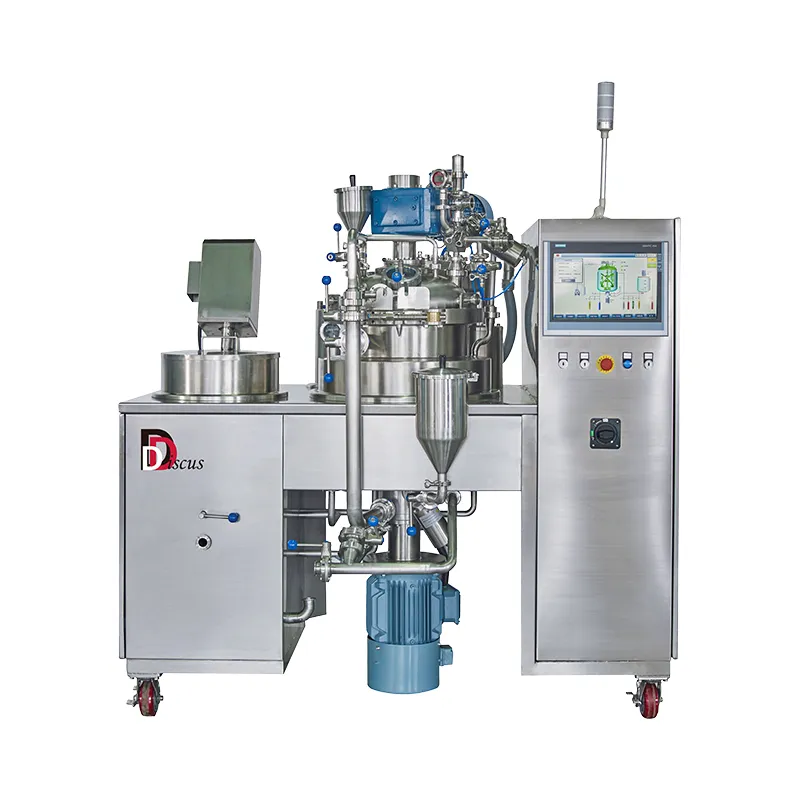
Leveraging Advanced Filling Technology in the Food Industry
The food production landscape is constantly evolving, with manufacturers seeking more efficient, precise, and hygienic ways to process high-viscosity products. One technology that frequently arises in technical discussions is the tube in tube filling machine. While originally designed for specific industrial applications, its potential for food production is immense. Many food processors find themselves struggling with traditional filling methods that often compromise the texture or delicate structure of ingredients. By examining the mechanics of tube in tube systems, it becomes clear that these units offer a sophisticated way to manage delicate fluids, provided the design meets stringent food-grade requirements.
Ensuring Hygienic Standards through Material Science
When integrating any machinery into a food production line, hygiene is the absolute priority. The primary barrier to using tube in tube technology in the culinary sector is the necessity for sanitary-grade construction. Professional-grade machines must be manufactured using high-quality 316L stainless steel, which offers superior resistance to corrosion and chemical cleaning agents. Furthermore, the internal surface of the tubes requires an electropolished finish to eliminate micro-crevices where bacteria might harbor. Advanced engineering teams understand that a machine is only as good as its cleanability. By ensuring that every seal, gasket, and contact point adheres to international sanitary standards, manufacturers can transform a standard industrial design into a robust food-safe solution.
Preserving Product Quality with Low Shear Mechanics
A major advantage of tube in tube technology is its unique approach to fluid dynamics. In the production of food items such as fruit preserves, yogurt with inclusions, or complex sauces, maintaining the physical integrity of particles is crucial. Traditional pump systems often subject the product to high shear stress, which can lead to texture degradation and separation. The tube in tube design facilitates a more laminar flow, effectively protecting the product’s consistency from the storage tank to the final packaging. This capability allows food producers to deliver products that look, smell, and taste like high-end artisanal creations, even when scaled for massive industrial output.
Customization for Complex Food Formulations
No two food products are identical. The viscosity, temperature, and particulate size of various food materials require a high level of machine adaptability. The beauty of tube in tube filling systems lies in their modular nature. By adjusting the inner and outer tube dimensions, or by integrating specialized thermal control jackets, the technology can be tailored to handle anything from molten chocolate to chilled dairy pastes. This level of customization is essential for food brands looking to innovate. When equipment is flexible, the production facility can pivot between different product lines without needing to overhaul the entire infrastructure, leading to significant operational agility and long-term cost savings.
Meeting Regulatory Benchmarks for Global Market Entry
Commercial food production is heavily regulated, and equipment must comply with standards such as FDA regulations in the United States or the European Union’s hygiene directives. Trustworthiness is earned through transparency in design and rigorous validation processes. Food processors must look for manufacturers that provide comprehensive documentation, including material certifications and validation protocols for cleaning-in-place (CIP) and sterilization-in-place (SIP) processes. When a machine is validated against these rigorous frameworks, it minimizes the risk of product recalls and ensures that the facility meets all necessary safety audits, allowing brands to distribute their products into premium markets with confidence.
Engineering Innovation Driven by Discus
The transition to high-efficiency filling technology is a strategic investment in the future of any food enterprise. Discus stands at the forefront of this evolution, providing custom-engineered filling solutions that prioritize both performance and sanitary safety. With an extensive background in mechanical fabrication and deep-rooted expertise in fluid management, the company offers an integrated approach to supply chain services. Whether it is precision-tuning equipment for a specific viscosity profile or ensuring seamless integration with existing processing lines, the focus remains on delivering high-reliability systems that enable sustainable growth for food manufacturers worldwide. By choosing to partner with a leader like Discus, food brands secure more than just hardware; they gain a dedicated partner committed to driving operational excellence through superior engineering.
Table of Contents
- Leveraging Advanced Filling Technology in the Food Industry
- Ensuring Hygienic Standards through Material Science
- Preserving Product Quality with Low Shear Mechanics
- Customization for Complex Food Formulations
- Meeting Regulatory Benchmarks for Global Market Entry
- Engineering Innovation Driven by Discus