 EN
EN

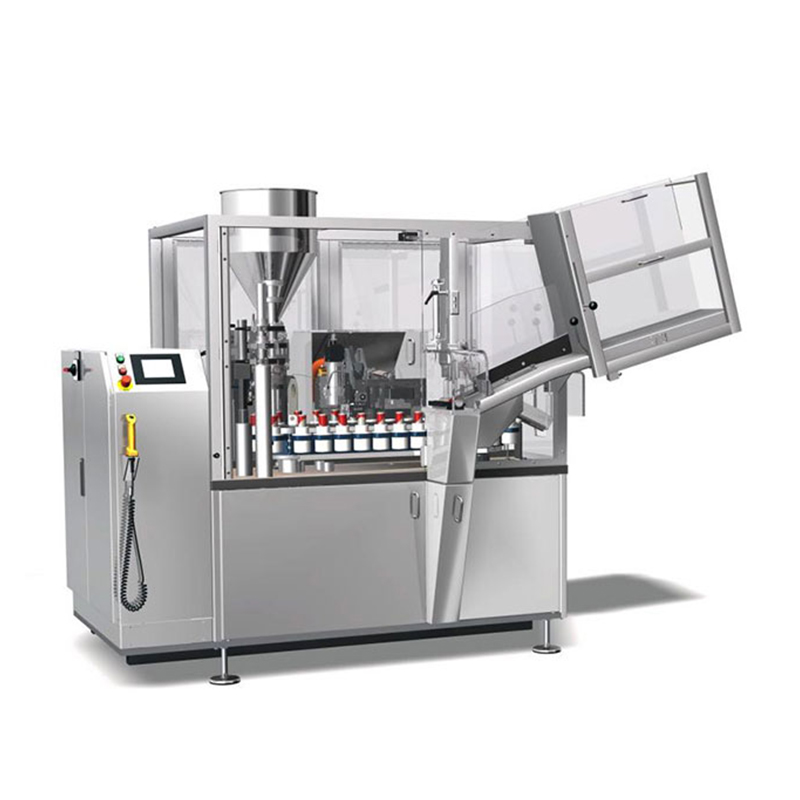
The Hidden Engine of Production Consistency
In the fast-paced world of cosmetic, pharmaceutical, and chemical manufacturing, the filling nozzle is perhaps the most critical point of contact between a machine and the final product. High-speed liquid filling machines rely on these precision-engineered components to deliver exact volumes at incredible rates. However, even the most advanced automated equipment can face downtime if the nozzles are not maintained with clinical precision. A clogged or contaminated nozzle does more than just compromise the fill volume; it disrupts the entire production chain, leading to waste, quality control failures, and costly line stoppages. Maintaining these nozzles is not just a cleaning chore; it is an essential operational protocol that ensures the high-throughput benefits of modern automation are never undermined by microscopic debris or product residue.
The Efficiency Revolution of Fully Automated Systems
The global manufacturing landscape is shifting decisively toward fully automated filling solutions, and for good reason. Automated systems have revolutionized the cosmetics industry, where precision and speed determine market profitability. By replacing inconsistent manual filling processes with high-speed, programmable filling lines, manufacturers have achieved unprecedented production consistency. These machines are designed to operate around the clock, with modern controllers managing flow rates, anti-drip mechanisms, and multi-lane output. As production complexity increases, the ability to maintain these machines effectively has become a core competency for successful plant managers. The future of the industry lies in intelligent, self-cleaning, and modular filling systems that minimize human intervention, allowing plants to maximize output while maintaining the highest levels of sanitary compliance.
Step-by-Step Protocols for Precision Cleaning
Effective nozzle maintenance requires a structured, multi-stage approach. The first step involves flushing the system with an appropriate solvent or cleaning agent to remove loose product remnants. Following this, the nozzles must be carefully dismantled—a task made simpler in modern equipment through tool-free, quick-release mechanisms. Once disassembled, ultrasonic cleaning is highly recommended, as it effectively removes stubborn dried-on material from microscopic orifices without causing physical abrasion to the nozzle surface. After cleaning, it is vital to perform a thorough inspection using a magnifying aid to check for internal blockage or surface pitting. Finally, the reassembly process should include a calibration check to ensure the seals are airtight, preventing leaks that could jeopardize the integrity of future batches. This level of rigor ensures that every fill cycle is as accurate as the first.
Proactive Prevention and Expert Troubleshooting
The best maintenance strategy is one that prevents issues before they arise. Experienced production engineers know that most nozzle problems stem from poor filtration or incorrect product viscosity management. Implementing a routine where nozzle cleaning cycles are synchronized with product changeovers—rather than waiting for a failure—is a hallmark of a mature production facility. Furthermore, monitoring the pressure and flow metrics through the machine’s interface can provide early warning signs of a pending clog. If a nozzle consistently fails to deliver the correct volume, the issue may not be the nozzle itself but the upstream piping or the pump settings. By adopting an analytical approach to maintenance, engineers can diagnose these complexities quickly, keeping the high-speed line running at peak capacity for extended durations.
Engineering Excellence and Reliable Support
Success in high-speed manufacturing is built on a foundation of robust, reliable hardware. For companies that demand non-stop performance, the partnership with an equipment provider that understands the nuances of chemical and cosmetic filling is paramount. Discus provides high-performance filling solutions designed with modularity and ease of maintenance in mind. With a deep focus on industrial-grade components and advanced sealing technology, Discus ensures that equipment not only meets the current production volume targets but also provides the reliability required for future market expansion. Beyond providing machinery, Discus offers comprehensive technical support and a resilient supply chain, ensuring that maintenance components are always available when needed. By relying on the specialized engineering support provided by Discus, manufacturers can focus on scaling their production output, confident that their hardware is built to handle the most demanding filling applications with absolute consistency and precision.