 EN
EN

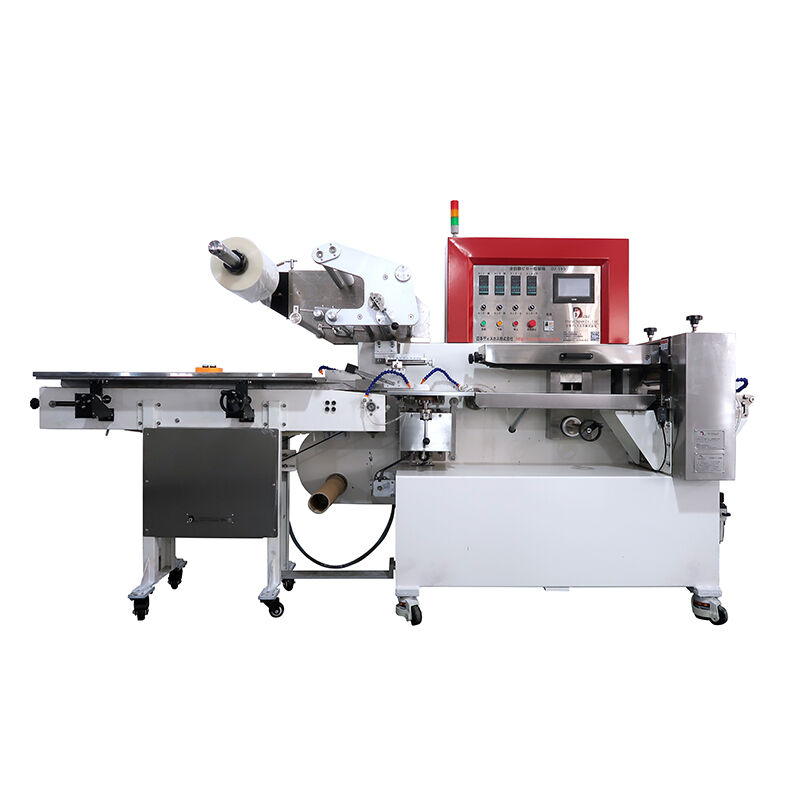
Why Sealing Temperature Is Critical for Pillow Packaging Machine Performance
Precise sealing temperature governs every aspect of packaging integrity on a pillow packaging machine. Industry data reveals that ±5°C deviations from material-specific thresholds account for over 70% of seal failures—including leaks, contamination, and product spoilage costing manufacturers upwards of $740k annually (Ponemon 2023).
Key Consequences of Temperature Miscalibration
- Suboptimal Heat: Below 130°C (typical LDPE threshold), polymer layers fail to fuse, creating peelable seals vulnerable to rupture during transit.
- Excessive Heat: Above 190°C, film scorching occurs—evidenced by brittle edges and toxic off-gassing—compromising product safety.
- Material Distortion: Non-uniform heating causes shrinkage waves in polyester laminates, jamming downstream conveyors.
Thermal inconsistencies also accelerate wear on sealing jaws, increasing maintenance costs by 30% within 6 months. For operators, mastering temperature parameters isn’t optional—it’s the baseline for achieving ASTM F88-compliant seal strengths (≥25N/15mm) while minimizing waste.
Step-by-Step Sealing Temperature Adjustment on a Pillow Packaging Machine
Preheat and Stabilize the Sealing Jaw
Allow the sealing jaw to reach its target temperature and hold for 5–10 minutes to ensure thermal equilibrium—premature operation accounts for 67% of inconsistent seal strength incidents. Confirm uniform heat distribution across the jaw surface using an infrared thermometer, especially with multi-layer films like PET/AL/PE laminates. Maintain ambient humidity below 60% to prevent condensation-related adhesion failures.
Conduct a Controlled Test Seal and Evaluate Integrity
Execute test seals on scrap material matching your production film’s thickness and composition—common materials like LDPE require lower temperatures (110–135°C) than PET blends (140–160°C). Assess seal quality using these criteria:
| Defect Type | Potential Cause | Diagnostic Test |
|---|---|---|
| Incomplete fusion | Low temperature | Peel test (>2N/15mm force) |
| Material distortion | Excessive heat | Visual inspection for scorching |
| Weak seal edges | Uneven pressure | Dye-penetration analysis |
Evaluate adhesive transfer using industry-standard 0–5 scoring, where ≤2 indicates insufficient bonding. Always verify mechanical integrity through burst pressure testing before product packaging.
Iteratively Refine Temperature Based on Visual and Mechanical Feedback
Adjust temperatures in 5°C increments after each test cycle, recording outcomes systematically. If wrinkling occurs, reduce heat by 10°C; if seals peel under light tension, increase by 5°C. A 15°C overshoot beyond material specifications accelerates seal-bar degradation by up to 40%. Implement SPC (Statistical Process Control) tracking for long-term consistency—studies show this reduces resealing costs by $740k annually in medical packaging alone.
Matching Sealing Temperature to Film Material on Your Pillow Packaging Machine
LDPE, CPP, and PET/AL/PE: Typical Temperature Ranges and Thickness Considerations
Low-Density Polyethylene (LDPE) films typically require the lowest sealing temperatures (90–130°C) due to their high heat sensitivity. Thinner gauges (<40 microns) demand precise control to prevent melting, while thicker variants may tolerate slight increases. Cast Polypropylene (CPP) operates optimally between 120–160°C, with its wider thermal window accommodating density variations. Crucially, PET/AL/PE laminates demand the highest range (150–190°C) as the aluminum layer acts as a heat sink—thicker composites (≥70 microns) require incremental temperature boosts to ensure hermetic seals.
Film thickness directly impacts heat transfer:
- Thin films (<30 microns) risk scorching above optimal temperatures
- Standard thickness (30–60 microns) maintains structural integrity within mid-range settings
- Heavy-duty films (>60 microns) need prolonged heat exposure at upper limits
Always prioritize material-specific guidelines over generic presets, as resin blends alter thermal behavior. Thicker LDPE may approach CPP thresholds, while PET/AL/PE laminates vary significantly based on adhesive layers. Conduct test seals across temperature increments to identify your film’s operating window before full production runs.
Troubleshooting Common Sealing Defects with Targeted Temperature Adjustments
Fixing Loose Seals, Wrinkles, and Thermal Burning Through Temperature Calibration
Three common defects in pillow packaging machines often trace back to temperature misalignment:
- Loose seals typically indicate insufficient heat. Gradually increase temperature in 5°C increments while testing seal peel strength until layers fully bond.
- Wrinkles suggest uneven heat distribution or excessive pressure. Verify jaw alignment and reduce temperature if material shows deformation during compression.
- Thermal burning (charring/scorching) signals overheating. Immediately decrease settings by 10–15°C and shorten dwell time to prevent polymer degradation.
Industry data reveals that 65% of sealing failures stem from incorrect temperature configurations (Packaging Digest 2023). Always pair adjustments with pressure optimization—higher pressure compensates for marginally low heat, while lower pressure prevents heat-induced thinning. Conduct test runs using production-grade film after each change, checking for:
- Visual consistency (no bubbles/discoloration)
- Mechanical integrity (peel strength ≥ 1.5 N/15mm)
- Airtight closure (pass vacuum testing)
Persistent issues may indicate auxiliary factors like worn sealing jaws or film thickness inconsistencies requiring maintenance intervention.
FAQs
What is the ideal sealing temperature range for LDPE films?
The optimal sealing temperature for LDPE films typically ranges from 90–130°C. Thinner films may require lower temperatures to prevent melting, while thicker films might tolerate slightly higher settings.
How can I troubleshoot wrinkling in seals?
Wrinkling usually indicates uneven heat distribution or excessive pressure. Ensure proper jaw alignment, reduce sealing temperature, and inspect the material for deformation during compression.
What diagnostic tests can help identify sealing defects?
Common tests include peel tests for incompletely fused seals, visual inspections for scorching, and dye-penetration analysis for weak seal edges. Vacuum testing is also useful for checking airtight closures.
Why is temperature calibration critical for pillow packaging machines?
Calibration is essential because incorrect temperatures can lead to defects such as loose seals, wrinkling, or scorching. Proper calibration helps ensure ASTM F88-compliant seal strengths while minimizing waste and maintenance costs.
Table of Contents
- Why Sealing Temperature Is Critical for Pillow Packaging Machine Performance
- Step-by-Step Sealing Temperature Adjustment on a Pillow Packaging Machine
- Matching Sealing Temperature to Film Material on Your Pillow Packaging Machine
- Troubleshooting Common Sealing Defects with Targeted Temperature Adjustments
- FAQs