 EN
EN

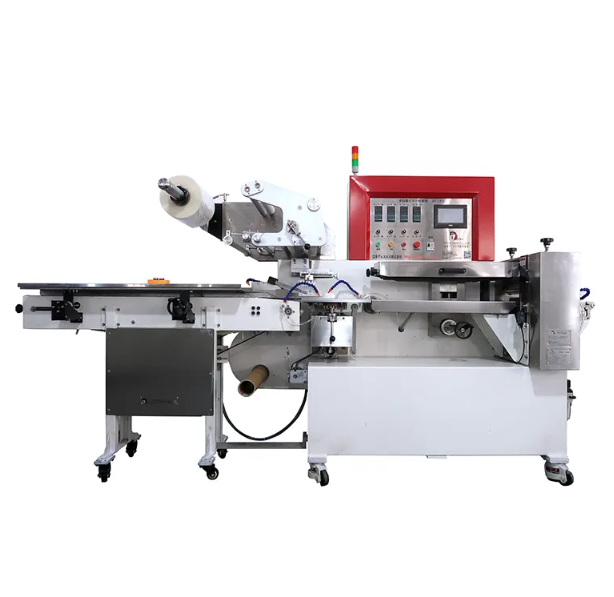
Memahami Efektivitas Biaya Sebenarnya dari Mesin Pengemas Sepenuhnya Otomatis
Di Luar Harga Awal: Perincian Total Cost of Ownership (TCO)
Produsen yang mempertimbangkan mesin pengemasan sepenuhnya otomatis perlu memperhatikan Total Cost of Ownership (TCO) daripada hanya fokus pada biaya awal yang harus dibayar. TCO mencakup hal-hal seperti biaya pemasangan, jumlah daya yang digunakan mesin, kebutuhan pemeliharaan rutin, serta seluruh tenaga kerja yang terlibat selama 5 hingga 10 tahun masa operasional mesin tersebut. Sistem manual mungkin tampak lebih murah pada pandangan pertama, dengan harga sekitar $50 ribu hingga $80 ribu. Namun bila dilihat dari gambaran yang lebih luas, sistem otomatis yang berharga antara $120 ribu hingga $300 ribu justru menghemat biaya dalam jangka panjang, memangkas total pengeluaran sekitar 35 hingga 50 persen. Mengapa? Ada tiga alasan utama di balik penghematan biaya ini. Pertama, pergantian produk secara otomatis berarti tidak ada waktu terbuang menunggu persiapan. Kedua, mesin-mesin ini bekerja sangat presisi sehingga limbah material menjadi jauh lebih sedikit, potensi penghematan mencapai 18 hingga 22 persen. Ketiga, sistem pemeliharaan cerdas dapat mendeteksi masalah sebelum terjadi, sehingga mengurangi kemungkinan hentian tak terduga dan menjaga kelancaran produksi hari demi hari.
Bagaimana 'Sepenuhnya Otomatis' Mendefinisikan Ulang Nilai — Menghilangkan Titik Sentuh Manual dan Ketergantungan Tenaga Kerja Tersembunyi
Ketika kita berbicara tentang otomatisasi yang sesungguhnya, yang sebenarnya kita maksud adalah bahwa sistem tersebut menghilangkan semua titik di mana manusia harus menyentuh sesuatu selama proses produksi—mulai dari menyiapkan produk untuk perakitan hingga menutup kemasan di akhir proses. Hal ini secara menyeluruh mengubah cara perusahaan memandang biaya tenaga kerja mereka. Pertimbangkan dulu sistem semi-otomatis—sistem ini biasanya membutuhkan antara tiga hingga lima pekerja per shift. Namun dengan otomatisasi penuh, hanya satu teknisi yang dapat mengawasi beberapa mesin sekaligus. Hal ini mengurangi biaya tenaga kerja langsung secara signifikan, sekitar dua pertiga hingga tiga perempat. Bagi sebagian besar produsen, artinya menghemat sekitar $140.000 setiap tahun per lini produksi. Dan ada satu hal lagi yang patut disebutkan. Sistem otomatis ini juga menghilangkan masalah-masalah kecil terkait tenaga kerja yang sering diabaikan sampai kemudian menjadi masalah besar di kemudian hari.
- Pelatihan berulang untuk staf sementara ($15k/tahun)
- Risiko cedera di tempat kerja dan biaya insiden terkait yang dilaporkan OSHA dengan rata-rata $740 ribu per klaim serius (OSHA 2023)
- Penarikan produk akibat kesalahan—proses manual menghasilkan cacat tiga kali lebih banyak dibandingkan alternatif otomatisasi
Dengan memasukkan sensor kontrol kualitas dan mekanisme penyesuaian otomatis, sistem-sistem ini menegakkan konsistensi sekaligus membebaskan pekerja terampil untuk melakukan tugas bernilai tambah seperti optimalisasi proses dan analisis data.
Mengukur ROI: Penghematan Tenaga Kerja, Peningkatan Kapasitas Produksi, dan Perkiraan Waktu Pengembalian Investasi
Pengurangan Biaya Tenaga Kerja dan Penghapusan Limbah Akibat Kesalahan
Sistem pengemasan otomatis dapat memangkas biaya tenaga kerja hingga 30 hingga 50 persen karena mesin ini mengambil alih tugas-tugas membosankan dan rentan kesalahan yang sebelumnya dilakukan manusia secara manual. Yang paling menonjol adalah kemampuan mesin-mesin ini dalam mengurangi limbah. Ketika proses penyegelan selalu berhasil, label menempel dengan benar, dan tingkat pengisian tetap akurat, perusahaan dapat mengalami penurunan kesalahan hingga sekitar 90%, yang berarti berkurangnya produk yang terbuang sia-sia. Ambil contoh satu perusahaan minuman ringan yang berhasil menghemat sekitar tujuh ratus empat puluh ribu dolar AS setiap tahun hanya dengan mengurangi pembagian gratis produk setelah mereka mengatur sistem otomasi mereka, seperti yang dilaporkan oleh Ponemon Institute pada tahun 2023. Intinya adalah kombinasi antara produktivitas tenaga kerja yang lebih baik dengan hampir nol limbah yang dapat dihindari, sehingga perusahaan mulai melihat penghematan biaya nyata dalam waktu singkat setelah pemasangan.
Efisiensi Throughput dan Skala Output yang Konsisten
Otomasi memberikan stabilitas throughput yang tak tertandingi. Lini pengemasan manual biasanya beroperasi pada efisiensi 70–85% karena kelelahan, istirahat, dan variabilitas, sedangkan sistem otomatis penuh mempertahankan waktu operasional 95% atau lebih. Konsistensi tersebut memungkinkan penskalaan yang andal—mengubah kapasitas menganggur menjadi pendapatan, terutama selama lonjakan permintaan:
| Metrik | Lini Manual | Lini Otomatis |
|---|---|---|
| Rata-rata Output/Jam | 200 unit | 350 unit |
| Varians Harian | â±25% | â±3% |
| Pemanfaatan Kapasitas Puncak | 80% | 98% |
Prediktabilitas ini mendukung perencanaan produksi yang akurat, optimalisasi inventaris, serta pemenuhan pesanan pelanggan yang responsif.
Periode Payback yang Realistis: 3–5 Tahun untuk Mesin Pengemas Otomatis Penuh dengan Utilisasi Tinggi
Analisis industri menunjukkan bahwa sebagian besar proyek otomasi dengan utilisasi tinggi mencapai payback dalam waktu 3–5 tahun. Faktor-faktor pendorong utama meliputi:
- Operasi tiga shift , yang memaksimalkan pemanfaatan aset dan menyebarkan biaya tetap pada output yang lebih besar
- Lingkungan upah regional yang lebih tinggi , di mana penghematan tenaga kerja meningkat lebih cepat
- Tingkat cacat sebelum otomasi di atas 5% , di mana pengurangan kesalahan memberikan dampak finansial yang sangat besar
Meskipun penerapan skala kecil atau pemanfaatan rendah dapat memperpanjang titik impas, jangka waktu 3–5 tahun tetap konsisten untuk fasilitas yang beroperasi 16+ jam per hari—waktu yang sejalan dengan masa operasional sistem kemasan modern.
Faktor Desain dan Integrasi yang Memaksimalkan Nilai Jangka Panjang
Efektivitas biaya sebenarnya dari sebuah mesin kemasan otomatis meluas jauh melampaui harga pembelian. Pilihan strategis dalam desain dan integrasi menentukan ketahanan operasional, skalabilitas, dan kemampuan adaptasi jangka panjang.
Arsitektur Modular dan Skalabilitas Masa Depan yang Tahan Lama
Dengan sistem modular, perusahaan dapat memutakhirkan bagian-bagian tertentu seperti kepala penyegel atau modul konveyor alih-alih mengganti seluruh lini. Kemampuan untuk melakukan peningkatan selektif ini mengurangi pengeluaran untuk pembelian besar dalam jangka panjang, mungkin sekitar 30 hingga 50 persen lebih rendah dibandingkan biaya sistem tradisional all-in-one. Ketika kebutuhan manufaktur berubah dari waktu ke waktu, pabrik memiliki opsi untuk mengadopsi solusi teknologi terbaru seperti kecerdasan buatan untuk pemeriksaan kualitas atau sensor yang terhubung ke internet untuk memprediksi kapan pemeliharaan diperlukan. Tambahan-tambahan ini membantu memperpanjang nilai investasi peralatan jauh melampaui masa pakai tujuh tahun yang biasanya dialami mesin.
Integrasi Mulus dengan ERP/MES dan Peralatan Lini Lawas
Ketika mesin pengemas berkomunikasi langsung dengan sistem ERP dan MES, produsen mengalami penurunan signifikan dalam kesalahan entri data manual yang sering menjengkelkan—sekitar 73% menurut Laporan Otomasi Manufaktur terbaru dari tahun 2024. Kabar baiknya adalah koneksi berbasis API berfungsi dengan baik bahkan pada mesin-mesin lama di lantai pabrik, sehingga perusahaan tidak harus menghabiskan jutaan dolar untuk mengganti seluruh peralatan sekaligus. Lagipula, kebanyakan pabrik masih menjalankan sebagian peralatan lama. Protokol standar seperti OPC UA memungkinkan pemantauan produksi secara waktu nyata serta membandingkan kinerja antar lini produksi satu sama lain. Yang membuat pendekatan ini sangat menguntungkan adalah kemampuannya menjaga biaya integrasi tetap terkendali. Tanpa pendekatan terstandarisasi semacam ini, banyak pabrik akhirnya menghabiskan dana antara 15% hingga hampir 20% dari seluruh anggaran otomasi mereka hanya untuk memastikan semua perangkat dapat saling berkomunikasi dengan benar.
Menghindari Biaya Tersembunyi: Pemeliharaan, Pelatihan, dan Kompromi Kustomisasi
Ketika menyangkut apakah mesin pengemasan otomatis sepenuhnya benar-benar menghemat uang dalam jangka panjang, jawaban sebenarnya terletak pada seberapa baik kita mengelola biaya berjalan yang jarang dipikirkan sekilas. Mari kita akui, menunggu hingga sesuatu rusak baru kemudian memperbaikinya sudah tidak lagi memadai. Perusahaan yang menerapkan jadwal perawatan rutin daripada hanya memperbaiki saat terjadi kegagalan biasanya menghabiskan biaya lebih rendah secara keseluruhan dan menghindari pemadaman mahal yang dapat menghapus seluruh margin keuntungan. Pelatihan operator pun sama pentingnya. Lewati bagian ini dan apa yang terjadi? Pekerja menemukan cara pintas di luar prosedur yang benar, kecelakaan menjadi lebih mungkin terjadi, karyawan baru membutuhkan waktu sangat lama untuk bisa bekerja secara efektif, dan pada akhirnya investasi tidak memberikan nilai penuh. Pelatihan yang baik bukan hanya soal mengikuti instruksi saja. Pelatihan harus mencakup keterampilan dasar pemecahan masalah dan yang paling penting, memastikan setiap orang tahu persis langkah-langkah yang harus diambil ketika keselamatan terancam.
Kustomisasi memang dapat menyelesaikan beberapa masalah produksi tertentu, tetapi ada dampak negatif yang perlu dipertimbangkan. Ketika sistem terlalu disesuaikan, proses pemasangan menjadi lebih lama dari yang diharapkan. Suku cadang menjadi lebih sulit ditemukan dan lebih mahal saat terjadi kerusakan di kemudian hari. Pembaruan pada konfigurasi khusus semacam ini bisa berubah menjadi mimpi buruk bagi para insinyur, dan vendor sering kali enggan menangani konfigurasi yang tidak lazim. Karena itulah banyak perusahaan cerdas tetap menggunakan modul standar sebagian besar waktu. Mereka hanya menambahkan fitur khusus bila benar-benar diperlukan untuk fungsi tertentu. Pendekatan ini memberi mereka fleksibilitas yang cukup tanpa mengorbankan stabilitas dalam jangka panjang. Intinya adalah kontrol biaya yang lebih baik dalam jangka panjang sambil tetap mempertahankan potensi pertumbuhan bisnis.