 EN
EN

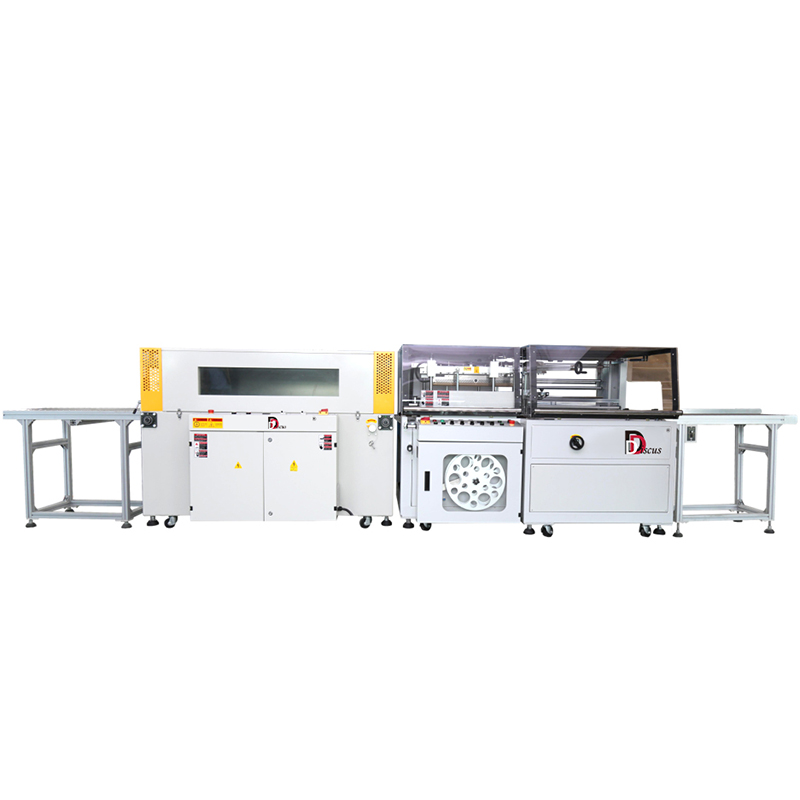
Core Engineering Principles Behind Fully Automatic Packaging Machine Stability
Understanding System Oscillation and Convergence in Automatic Packaging Machines
When running at high speeds, mechanical resonance creates those annoying oscillations that throw off packaging precision. Manufacturers have found ways around this problem though. Most modern equipment now includes special damping materials along with smart control systems that can adjust themselves on the fly. These setups typically stabilize after about half a second when something goes out of whack. A recent study from ASME looked into this stuff back in 2023. They found that machines using active vibration control stayed within 0.02mm accuracy even while going through 120 cycles every minute. That's way better than older passive systems which only managed around 0.15mm stability under similar conditions. The difference might seem small, but in packaging applications where millimeters count, it makes all the difference in product quality and production efficiency.
The Role of Feedback Mechanisms in System Stability
Modern closed loop control systems rely on powerful 32 bit DSP processors to check sensor readings every two milliseconds and tweak how actuators respond in real time. The speed of this feedback makes all the difference when dealing with complex operations like aligning products correctly before packaging or ensuring cartons seal properly without gaps. When manufacturers install systems equipped with three redundant encoders instead of just one, they get remarkable results too. These advanced setups hit about 99.98 percent synchronization accuracy according to recent tests, while basic single sensor models only manage around 98.4% accuracy as reported in Packaging Technology Review last year. That extra fraction of a percentage point might seem small, but it adds up over thousands of production cycles.
Impact of Parameter Allocation on Performance and Reliability
| Parameter | Optimal Range | Stability Impact If Exceeded |
|---|---|---|
| Sealing Pressure | 12-18 psi | ±7% package integrity variance |
| Conveyor Speed | 0.8-1.2 m/s | 15% higher misalignment rate |
| Gripper Force | 4.5-6.2 N | 22% accelerated component wear |
Predictive torque allocation algorithms enhance servo longevity by 40% compared to fixed-parameter setups, ensuring consistent performance under variable loads.
How Automation Level Influences Operational Stability
When automation is fully integrated into manufacturing processes, it really cuts down on those pesky human errors that can throw things off track. But this comes at a price - manufacturers need solid backup plans in place just in case something goes wrong. Take machines equipped with AI that handles exceptions automatically. These bad boys fix around 9 out of 10 minor issues without stopping the whole line. Compare that to semi automatic setups where workers have to step in manually, and suddenly we're looking at almost 20% more downtime according to industry reports from last year. Top notch systems manage to keep unplanned stops below half a percent by having multiple layers of safety checks built in plus smart features that adjust speeds when needed. Makes sense really when considering how much money even short interruptions can cost over time.
Mechanical Design and Component Quality in Ensuring Long-Term Stability
Machine installation accuracy and synchronization for stable operation
Getting things aligned right when installing equipment matters a lot for how stable it stays over time. Parts made with tolerances under 5 microns cut down on those annoying vibration problems by about 60 percent, based on what some recent material tests showed back in 2024. The drive trains that are put together using these special hardened tool steels last roughly 40% longer than regular alloy versions. And they keep their position accurate even after going through tens of thousands of operations. Most precision engineering manuals actually recommend this approach because it works so much better in practice than sticking with standard materials alone.
Durability of wear parts and their impact on continuous performance
Tungsten-carbide-coated guides exhibit 50% lower wear rates than uncoated alternatives under continuous 24/7 operation. Optimized gear tooth profiles further reduce surface pitting by 70% in high-torque applications, extending maintenance intervals to 3-5 years in typical packaging environments.
Servo motor vs. traditional drives: Effect on dynamic stability
Servo-driven systems offer ±0.1mm positional repeatability, drastically improving accuracy over traditional chain drives, which typically achieve only ±1.5mm. This precision eliminates product misalignment during high-speed wrapping. Additionally, modern servo-driven form-fill-seal units operate at 55 dB(A)–35% quieter than cam-based systems–and reduce energy consumption by 18 kW/hr per production line.
Modular design vs. monolithic construction: Trade-offs in reliability and maintenance
Modular designs allow for 75% faster component replacement and reduce technician intervention time by 40% thanks to standardized interfaces. However, vibration analysis shows monoblock constructions withstand 30% higher lateral forces, making them better suited for heavy-duty cartoning tasks exceeding 120 packages per minute.
Advanced Control Systems and Real-Time Monitoring for Stable Automation
Integration of Sensors and Automated Adjustments for Consistent Output
Sensors connected across the network keep an eye on important factors like how hot seals get, what's happening with material tension, and how fast cycles run. When something needs fixing, these smart systems tweak settings so everything stays within about half a percent accuracy. Take load cells for example they spot when weights go off track and send signals to those motor driven adjusters that fix up filling processes super quick. This happens so fast it stops little problems from turning into big ones, keeping packages intact even when materials aren't exactly consistent from batch to batch. The whole system works behind the scenes to make sure nothing slips through the cracks during production runs.
IoT-Enabled Real-Time Monitoring and Predictive Maintenance
The Internet of Things platforms gather information from around 50 to maybe even 300 sensors on each piece of equipment, spotting problems before they become serious issues like worn bearings or dropping hydraulic pressure. Research published last year showed that when companies implement predictive maintenance strategies, they can cut down unexpected shutdowns by about a third because these systems spot potential breakdowns anywhere between eight to fourteen days ahead of time. The vibration analysis software works by looking at current sensor data next to what was normal in the past, which helps technicians swap out parts right before their regular maintenance schedule kicks in instead of waiting until something breaks completely.
Synergy Between Servo Motors and Control Systems for Adaptive Stability
Integrated servo drives and PLCs enable real-time torque modulation during rapid speed changes. When handling irregularly shaped items, control systems adapt motor acceleration curves to prevent misalignment without sacrificing throughput. This electromechanical coordination sustains positional accuracy within 0.1 mm even at 150 cycles per minute, effectively balancing speed and precision.
| Stability Factor | Traditional System | Advanced System | Improvement |
|---|---|---|---|
| Error Correction | Manual (30–60 sec) | Auto (0.2 sec) | 150x faster |
| Downtime/Year | 120 hours | 45 hours | 62.5% reduction |
Maintenance Practices and Operational Discipline for Sustained Performance
Preventive Maintenance Strategies for Fully Automatic Packaging Machines
According to the latest Packaging Efficiency Report from 2023, regular maintenance work can stop around 8 out of 10 unexpected shutdowns before they happen. Smart factories aren't waiting for breakdowns anymore. They plan checkups according to how many hours equipment runs and swap out important parts like servo drives and sealing heads when they reach about 80% of what's expected from them. Keeping spare stock of those parts that wear down fast makes sense too. Gaskets and conveyor belts tend to go bad unexpectedly, so having replacements ready saves time and money. Factories that monitor machine vibrations instead of just fixing things after problems arise see much better results. Their first pass yield stays consistent at around 92%, compared to only about 78% for places still relying on old fashioned reactive maintenance approaches.
Machine Accessibility for Efficient Cleaning and Component Servicing
Modern equipment now comes with full 360 degree access panels and those handy tool free disassembly features that save around 40% on maintenance time when compared to older models. The quick release fittings on glue applicators and pneumatic parts mean cleaning can be done in under fifteen minutes flat, which is absolutely critical for meeting those strict food grade standards. And let's not forget about the built in alignment check tools that help techs get things back together with pinpoint accuracy down to 0.05mm right from the control panel itself. These small but significant improvements make a big difference in day to day operations.
Synchronization of Maintenance With Production Schedules to Avoid Bottlenecks
Top-tier facilities align lubrication and belt adjustments with product changeovers, maximizing equipment utilization to 98%. A 2022 case study showed that staggering maintenance during low-demand periods reduced energy waste by 17% while sustaining 24/5 operational availability. Predictive algorithms now reschedule non-critical servicing based on real-time order backlog data, minimizing interference with peak production.
Role of Operator Training in Minimizing Human-Induced Instability
According to the Packaging Operator Skill Index from 2023, workers who complete certified training programs see their mistake rates drop by roughly two thirds within just half a year. Many facilities now use augmented reality systems that project helpful visuals right onto equipment surfaces, showing exactly where bolts need tightening and how parts should align. This kind of hands-on guidance really boosts accuracy across the board. For those going through the ISO 18404 certification track, there are plenty of practice sessions simulating equipment failures. After working through these scenarios, most operators can handle about nine out of ten typical problems all on their own. When things go wrong unexpectedly, teams that have learned multiple roles tend to bounce back much quicker too. Studies show they get production running again about forty percent faster compared to staff focused solely on one specific task.
Emerging Technologies Shaping the Future of Packaging Machine Stability
AI and IoT in Optimizing Performance and Detecting Anomalies Early
AI-powered vision systems analyze over 500 product images per minute (Packaging Digest 2023), detecting defects 35% faster than manual inspection. IoT sensors embedded in servo motors and conveyors continuously track temperature, vibration, and torque deviations, allowing operators to address 68% of potential stability issues before they lead to unplanned stops.
Predictive Analytics for Enhancing Equipment Reliability and Uptime
Machine learning models trained on data from more than 10,000 operational hours predict bearing failures with 92% accuracy up to 14 days in advance. This foresight enables preemptive replacements during planned pauses, supporting 98.6% uptime in three-shift operations–a 19% improvement over reactive approaches.
Balancing High Automation with Manageable Complexity in Fault Diagnosis
Despite monitoring over 120 operational parameters, advanced PLC systems simplify troubleshooting through color-coded HMI interfaces that prioritize critical alerts, modular error codes that isolate faults to specific zones, and guided resolution workflows accessible via QR codes on control panels.
Cloud-Based Technical Support and Remote Diagnostics for Rapid Resolution
Encrypted data streams enable remote technicians to diagnose 83% of software-related stability issues within 15 minutes–65% faster than on-site visits. This hybrid support model cuts idle time by 42% across multi-line factories, as reported in a 2023 automation survey of 147 production sites.